Living the dream! Tory chairman enjoys morning pint of warm beer alongside a labrador after Labour minister’s ‘Far Right’ attack on country life
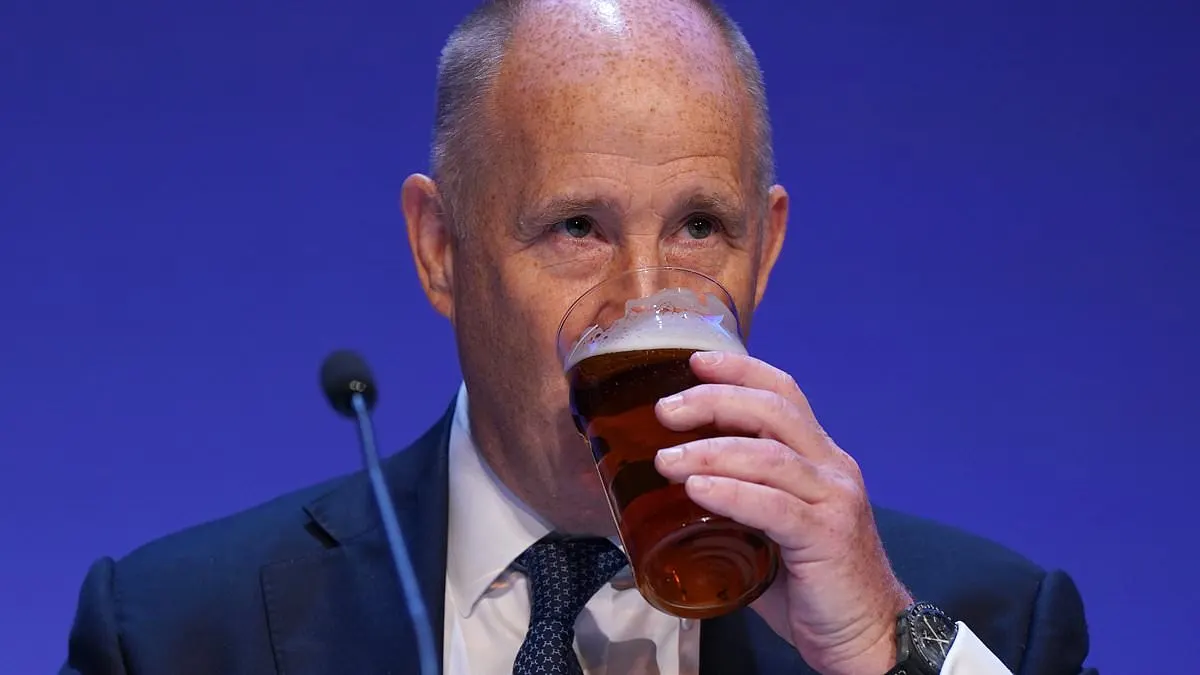
Tory chairman Kevin Hollinrake drank a pint of warm beer alongside a labrador named Zuzu at the Conservative Party conference this morning, in a pointed response to Labour Nature Minister Jenny Riddell-Carpenter's comments at Labour's conference. Riddell-Carpenter told her party that pints of bitter and gun dogs were part of a "far-right nostalgic vision of Britain that never really existed," triggering Conservative accusations that Labour misunderstands rural Britain.
Riddell-Carpenter warned her party conference in Liverpool that the far-right would seek to weaponise countryside imagery and rural identity at the next election, using nostalgic symbols like warm ale, labradors in pubs, and fox hunting iconography. Later, she attempted to clarify her remarks to the East Anglian Daily Times, saying she did not believe "black Labradors, pints or pubs are far-right" but rather was highlighting genuine rural challenges in education, transport, and cost of living that Labour believes should be addressed.
- Tory chairman drinks warm beer with labrador in response to Labour minister's comments
- Labour minister warned countryside imagery could be weaponised by far-right
- Minister later clarified she was discussing rural challenges, not the items themselves
New here? Start with this
At the Labour Party conference, Nature Minister Jenny Riddell-Carpenter warned that countryside imagery and symbols could be misused by far-right groups at the next election. She highlighted concerns about pints of bitter, labradors in pubs and fox hunting being used to promote an outdated or false vision of Britain.
The Conservatives disputed this, arguing that these are genuine aspects of rural British life and culture that should be valued. They said Labour was misunderstanding the traditions and identity that matter to countryside communities.
The disagreement reflects a deeper divide about how rural Britain and its identity are understood in politics. Labour emphasises addressing practical challenges in rural areas such as education, transport and cost of living, while Conservatives argue that respect for rural culture itself is also important for serving these communities.
Both sides, in good faith
The strongest fair case each way — we don't pick a winner.
The case for
Conservatives contend that Riddell-Carpenter's remarks, regardless of clarification, characterise wholesome rural traditions and pastimes—a pint with a dog, countryside life—as ideologically suspect or tainted by association with extremism. This arguably dismisses rural communities' lived experiences and values, implicitly suggesting their culture is inherently problematic rather than simply how many Britons have lived for generations. By imposing an ideological lens that makes rural traditions seem threatening, Labour risks appearing contemptuous of rural Britons themselves rather than genuinely concerned with their concerns.
The case against
Labour argues they are warning about a genuine political tactic: far-right movements historically weaponise nostalgic countryside imagery to construct nationalist narratives of an essentialised "real Britain," often implicitly excluding modern multicultural society. Riddell-Carpenter's clarification emphasises that the symbols themselves are not far-right, but rather that these images get mobilised in exclusionary political messaging. Labour's stated focus on addressing actual rural challenges—education, transport, cost of living—demonstrates concern for rural communities themselves, not contempt for their culture or way of life.