Milpitas orders drone monitoring to tackle decades of landfill odours
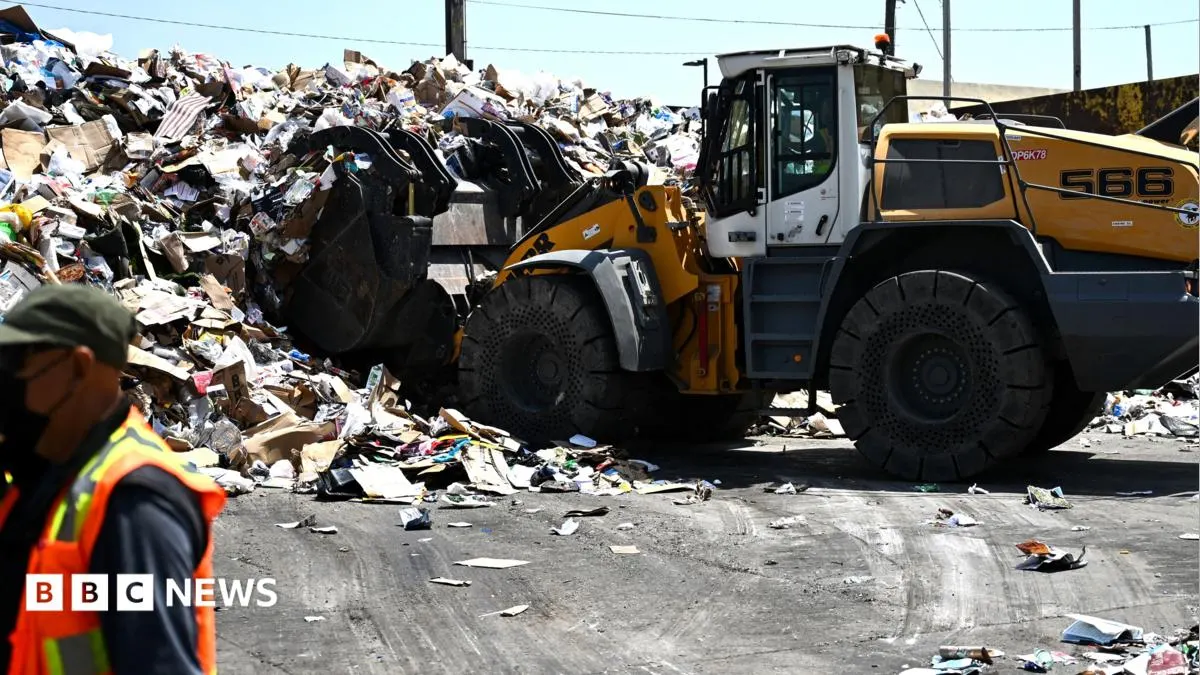
Milpitas residents have endured bad smells for decades, particularly from the 342-acre Newby Island landfill. Local authorities have ordered the landfill’s operators to use drones and monitoring equipment to track odour-causing chemicals and automate the collection of gases, reflecting growing interest in technology to improve neighbourhood air quality.
Residents say the smells have eased but still affect daily life, while the landfill operators say they are committed to protecting air quality. Odour controls can absorb, chemically change or burn away smells, and experts say effective systems can remove at least 90% of target compounds, though they may be costly. Masking smells with deodoriser is cheaper, but experts question how well it works; landfill odours are particularly difficult to manage because they come from a large surface area.
- Milpitas has ordered odour monitoring at a large landfill.
- Residents still report hours of bad smells each day.
- Effective controls can remove 90% or more of target compounds.
New here? Start with this
Milpitas is a city in California’s San Francisco Bay Area, next to Newby Island landfill, a large site where rubbish is buried. As waste breaks down, it releases gases and chemicals that can cause strong smells. People living nearby say these odours have been a problem for many years and can disrupt everyday life.
The landfill is run by private operators, while local authorities oversee rules intended to protect nearby communities. Odour controls can capture or treat the chemicals that cause smells, but the best approach can be costly and difficult to apply across a large landfill. Monitoring can help identify where and when the odours occur and guide efforts to reduce them.
Both sides, in good faith
The strongest fair case each way — we don't pick a winner.
The case for
Residents have faced persistent odours that affect daily life, so requiring operators to monitor emissions more closely and collect landfill gases could improve accountability and help target the chemicals causing the problem. Effective odour controls can remove much of those compounds, and the cost may be justified by the benefits to neighbours’ air quality and wellbeing.
The case against
Operators may reasonably argue that landfill odours are unusually difficult to control because they arise across a large area, and that costly systems need careful assessment to establish which measures will work. Monitoring and automated collection may provide useful evidence, but authorities should ensure requirements are proportionate and focus spending on effective controls rather than measures that offer limited improvement.
Read the full article at the source →
Originally published by BBC Technology as “Living with a stink? Technology might help”.