Campaign stalls Church of England’s proposed £100m slavery fund
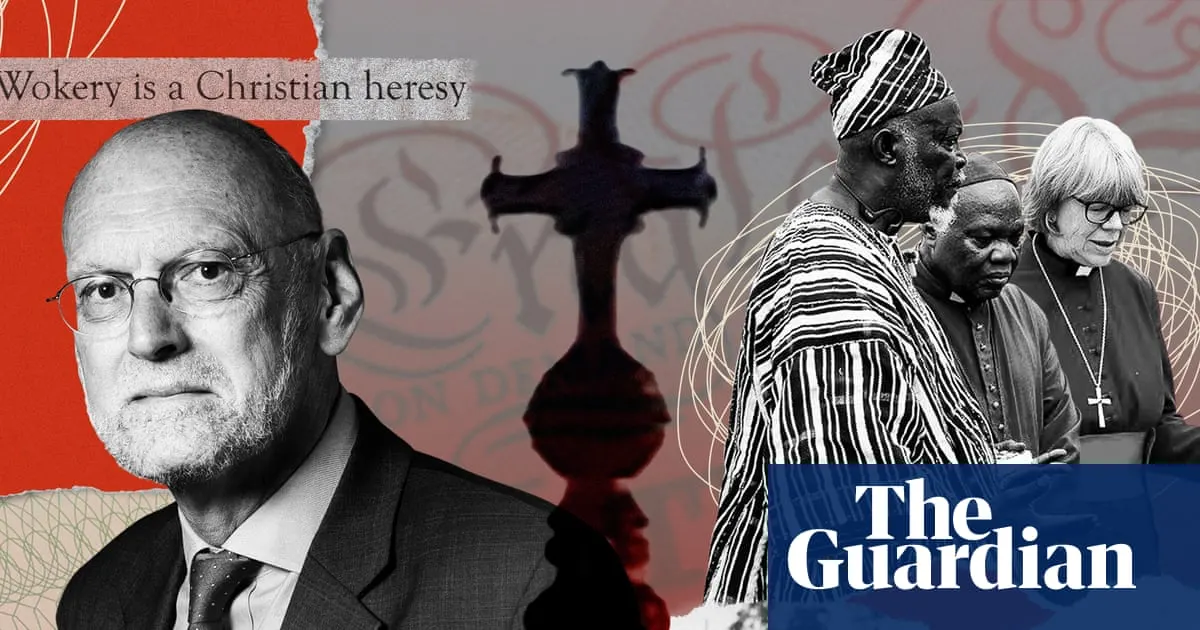
The Church of England’s proposed £100m fund to address its historical links to slavery has been stalled by a sustained campaign of media coverage, political opposition and a legal challenge. The article describes how the campaign, led by Conservative peer Nigel Biggar and backed by some prominent rightwing figures, has helped turn the fund into a wider political cause.
The fund, known as Project Spire, was announced in 2023 by the church commissioners, who manage its endowment, and was intended to launch in 2024. Research found that part of the endowment originated in Queen Anne’s Bounty, which invested in the South Sea Company, a slave-trading firm that trafficked about 34,000 Africans. Conservative MP Katie Lam coordinated a letter from 27 MPs and peers challenging the project; the church said in July it also faced legal action, potentially delaying it for years. The article links financier Sir Paul Marshall to Biggar’s campaign through media platforms and funding for related organisations.
- A £100m Church of England fund addressing slavery links remains stalled.
- Nigel Biggar and allies have led a media and political campaign against it.
- A legal challenge could delay the project for years.
New here? Start with this
The Church of England announced Project Spire in 2023, a £100 million fund meant to address the church's historical connections to the slave trade. Research identified that part of the church's endowment came from Queen Anne's Bounty, which in the 18th century invested in the South Sea Company, a firm that enslaved and transported about 34,000 Africans.
Opposition to the fund has grown, led by Conservative peer Nigel Biggar and backed by prominent right-wing figures. Conservative MP Katie Lam coordinated a letter from 27 MPs and peers challenging the project, and the church has also faced legal action. The situation reflects broader contemporary debates about how institutions should address their historical involvement in slavery and colonialism.
Both sides, in good faith
The strongest fair case each way — we don't pick a winner.
The case for
The Church of England directly benefited from slavery through its endowment, which included significant investments in slave-trading companies like the South Sea Company. As an institution claiming moral authority grounded in Christian principles of justice, it bears responsibility to acknowledge this complicity and provide concrete redress to affected communities. The £100m fund represents meaningful institutional accountability for historical injustice and commitment to supporting communities whose circumstances continue to reflect slavery's legacies.
The case against
Whilst the Church acknowledges its regrettable historical links to slavery, imposing substantial financial liability on a contemporary institution for investments made centuries ago—before modern ethical standards—raises serious questions about the appropriate scope of retrospective accountability. The fund's practical efficacy is questionable given the complexity of beneficiary identification and tracing causation between historical transactions and present circumstances, whilst alternative approaches such as education, advocacy, and community partnership might more effectively address historical injustices. Establishing this precedent could burden numerous institutions with extensive historical entanglements, potentially diverting resources from other urgent charitable and pastoral priorities.
Business Space Technology UK World
Read the full article at the source →
Originally published by The Guardian as “Lobbying, lawyers and a media blitz: the fight to kill the Church of England’s £100m slavery compensation fund”.