Bahamas mother warns US visitors as violent crime threatens locals and tourists
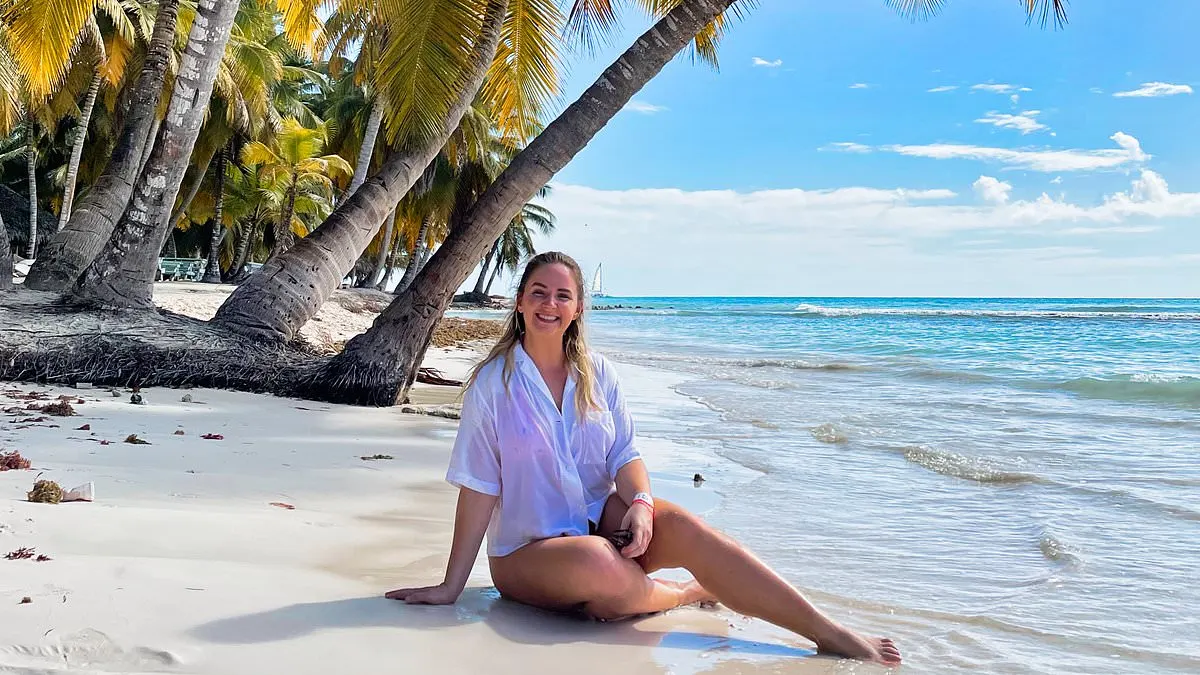
The Bahamas faces a serious crime problem affecting both locals and American tourists, a crisis highlighted by the tragic murder of 12-year-old Adriel Moxey by Chris Ferguson in 2024. Her mother, Sasha Moxey, has become an advocate warning Americans about the dangers, arguing that the government prioritises tourism revenue over the safety and economic wellbeing of local communities. The issue matters because approximately 14 million US tourists visit the Caribbean each winter, yet many are unaware of the violent crime they could encounter.
Several Caribbean islands record homicide rates significantly higher than the US: Jamaica's rate stands at approximately 24 per 100,000 people and Trinidad and Tobago's at 27, compared with the US rate of 4.1 per 100,000. Beyond Adriel's murder, there have been multiple violent attacks on tourists, including Alicia Stearman's abduction and rape at 16, and Briana Bazel's assault by a man purporting to be a watersports operator. Sasha attributes the violence partly to cuts in public school funding and limited economic opportunities for young people, creating a cycle where desperation drives crime and tourism development excludes local residents from prosperity.
- Bahamas has dangerously high homicide rates with multiple violent attacks on tourists documented
- A 12-year-old girl was murdered in 2024; her mother warns of unsafe conditions
- Locals say government prioritises tourism over safety and economic opportunity for residents
New here? Start with this
The Bahamas experiences a serious violent crime problem that affects both residents and the millions of American tourists who visit the islands each year. The issue came to wider attention following the 2024 murder of a 12-year-old child, whose mother has since become an advocate raising awareness about the dangers visitors and residents face. The Caribbean region generally has much higher homicide rates than the United States, with some islands recording rates several times higher than the US average of 4.1 per 100,000 people.
The crime problem is linked to economic hardship, particularly limited job opportunities and cuts to school funding that affect young people in local communities. These conditions create an environment where crime is more prevalent, and some residents argue that tourism-focused economic development has not adequately addressed these underlying causes. This creates tension between tourism's economic importance to the nation and the need to improve safety and conditions in local communities.
For American visitors, a practical concern is that many arrive without full awareness of the violent crime they could encounter. Approximately 14 million Americans visit the Caribbean each winter, yet this reality is not always well understood when planning trips. The situation raises questions about how destinations address serious crime whilst balancing economic interests.
Both sides, in good faith
The strongest fair case each way — we don't pick a winner.
The case for
The strongest case for Sasha's position emphasises that public safety must take precedence and that tourists deserve accurate information about genuine risks when making travel decisions. Addressing root causes—underfunded schools and limited economic opportunities—is not only morally necessary but would create more sustainable prosperity than policies prioritising tourism revenue over community wellbeing. Transparency about crime rates need not destroy tourism; rather, it allows visitors to make informed choices and creates space for meaningful investment in the communities on which tourism depends.
The case against
Those countering this position argue that tourism is economically vital for Caribbean survival, providing employment and revenue for the public services and law enforcement that ultimately protect both residents and visitors. Rather than deterring tourists through warnings, a balanced approach acknowledges genuine risks whilst directing tourism revenue into effective crime reduction and youth opportunity programmes that address root causes. They contend that economic collapse from tourism decline would harm the vulnerable communities Sasha seeks to protect more severely than current crime rates, making sustainable economic development more important than advisory campaigns.
Art Culture Geopolitics Politics World
Read the full article at the source →
Originally published by Daily Mail as “Locals send dire warning to American tourists as dark side of favorite winter paradise emerges – where people have been attacked, raped and killed”.