Politics news and discussion on TalkFuse.
Lockheed Martin paying $29.5M settlement after allegedly discriminating against white workers
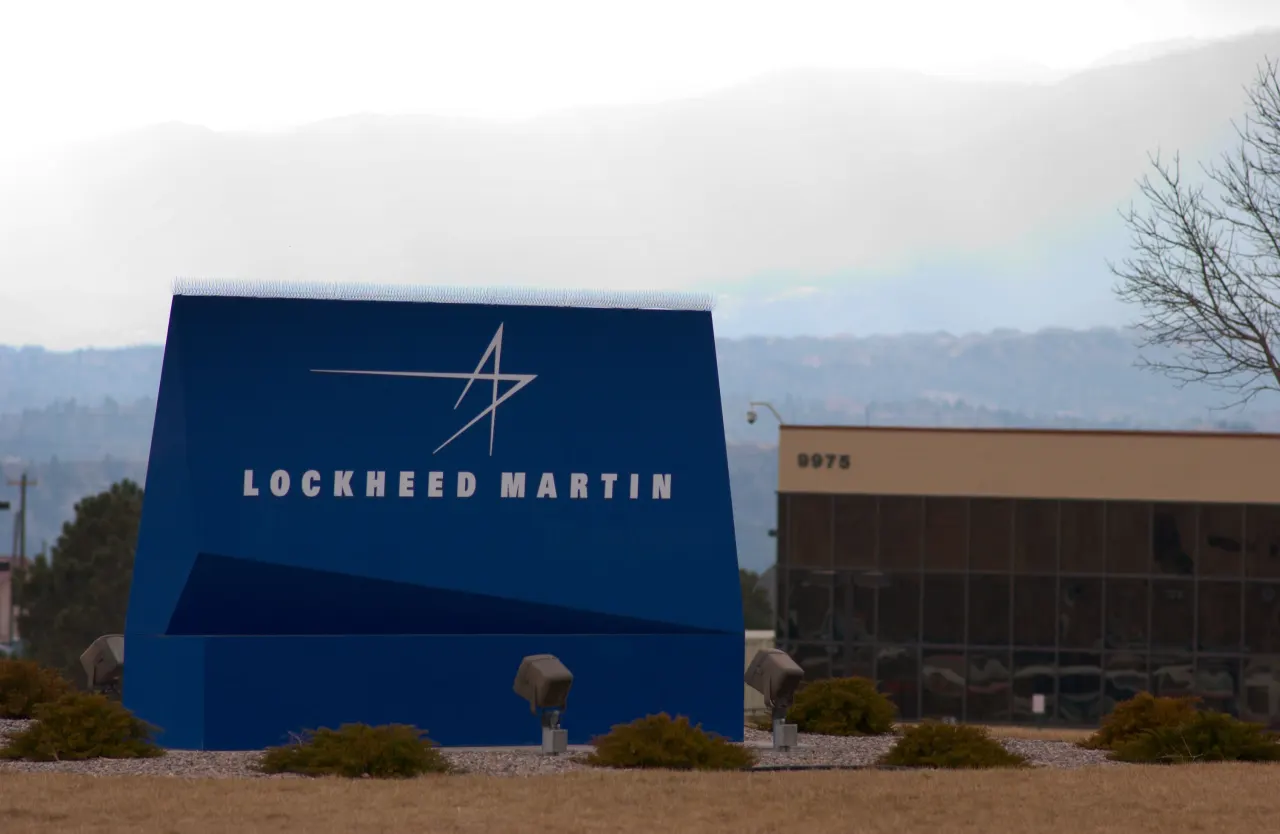
Lockheed Martin has agreed to pay $29.5 million to settle US government claims that its diversity-focused bonus programme led to discrimination against white employees. The settlement resolves allegations under federal contracting rules and the Civil Rights Act, but the company denies wrongdoing and says it settled to avoid prolonged litigation.
The company will pay $22 million to the government and $7.5 million to more than 1,000 employees. The allegations concern a programme introduced in 2021 that offered the top 20% of employees salary increases and promotion opportunities; officials said managers were pressured to adjust selections based on race after statistical reviews flagged nomination lists. The case followed a complaint by former vice president Tim Booher, who is due to receive $4.4 million under a whistleblower provision, and forms part of the administration’s broader use of the False Claims Act in challenges to corporate diversity policies.
In short
- Lockheed Martin agreed to a $29.5 million settlement over discrimination allegations.
- More than 1,000 employees are to share $7.5 million.
- The company denies liability and says it settled to avoid litigation.
Steelman: both sides, in good faith
The strongest fair case each way — we don't pick a winner.
The case for
The settlement reflects the view that employers receiving federal contracts must ensure that decisions about pay and promotion are based on individual merit rather than race. If managers were pressured to alter selections because of employees’ race, that could unfairly disadvantage workers and undermine equal treatment, even when a programme is intended to address disparities. Enforcing these rules can protect employees and preserve confidence that public contracts comply with civil rights law.
The case against
Lockheed Martin denies wrongdoing, and a settlement to avoid prolonged litigation is not an admission that discrimination occurred. Supporters of the programme could argue that reviewing nomination patterns and seeking fair access to advancement are legitimate steps, provided final decisions do not impose racial preferences; statistical disparities alone do not establish unlawful treatment. They may also question whether using the False Claims Act to challenge diversity policies risks deterring employers from examining potential barriers to opportunity.
Explained simply
Lockheed Martin is a US defence and aerospace company, and a major supplier to the federal government. Companies that hold federal contracts must follow rules against discrimination, including requirements under the Civil Rights Act.
In 2021, Lockheed introduced a programme offering salary rises and promotion opportunities to a share of its employees. The government’s claims concern how managers selected people for those opportunities and whether race affected those decisions. The case also involves former vice-president Tim Booher, whose complaint brought the programme to officials’ attention.
The dispute matters because it tests how federal contracting and anti-discrimination laws apply to workplace diversity programmes. The False Claims Act allows people with knowledge of possible fraud against the government to bring a case, and can provide them with a share of any recovery.