Mercedes boss warns UK exclusion could weaken EU carmaking too
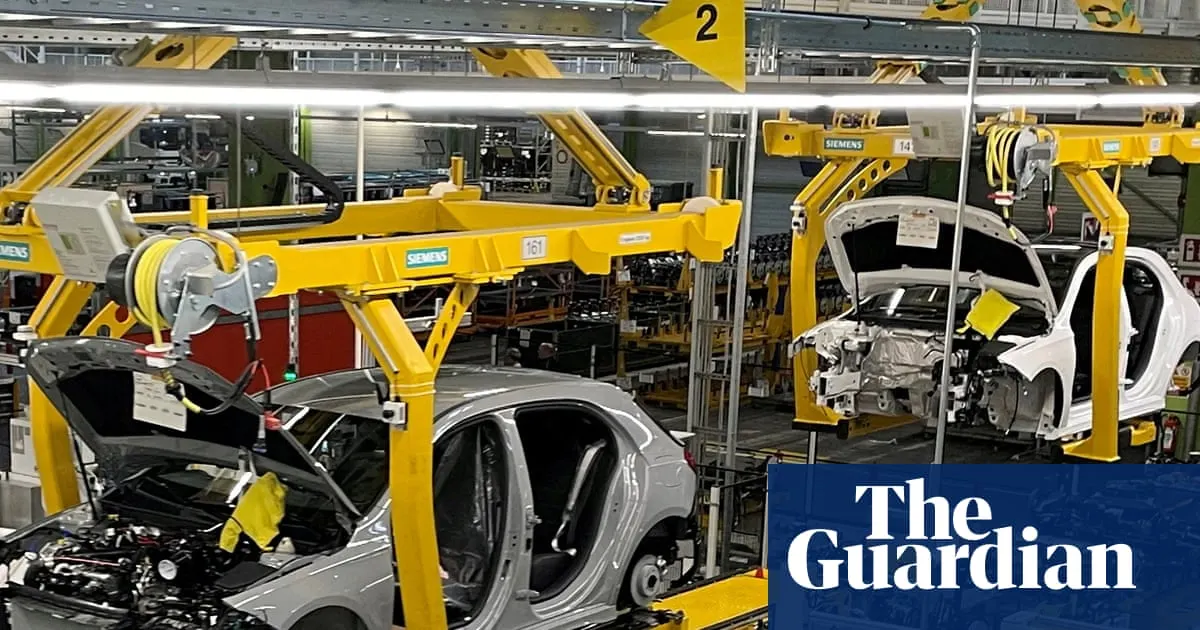
Mercedes-Benz chief Ola Källenius has warned that excluding the UK from the EU’s proposed “Made in Europe” industrial law would weaken carmaking on both sides of the Channel. The law is intended to protect European industry from non-EU competition, especially China, but could also restrict UK firms’ access to EU contracts.
EU leaders hope to agree the law by December, while the UK is lobbying for inclusion ahead of a summit on 20 November; France is among those resisting. The car industry is also seeking a further two- or three-year pause to planned 10% tariffs on UK and EU electric cars, due to take effect next year because battery production in both markets remains insufficient. The tariffs were designed to encourage local battery supply chains, with batteries accounting for about 45% of a new car’s cost.
- Mercedes-Benz’s chief says excluding the UK would hurt carmakers across Europe.
- The EU aims to agree its industrial law by December.
- Car firms want a further delay to 10% electric-car tariffs.
New here? Start with this
The EU is considering a law to give preference to goods made in Europe when public bodies award contracts. A key question is whether the UK, which left the EU, would qualify; the UK is seeking inclusion, while some EU countries oppose it.
Car makers operate across the Channel, with parts and production shared between the UK and EU. Their trade is also governed by rules that set tariffs on electric cars, intended to encourage battery production in both markets.
The decisions matter because limits on UK access to EU contracts or higher tariffs could affect manufacturers and their supply chains on both sides. Batteries make up a large share of a new car’s cost, and production capacity remains limited.
Both sides, in good faith
The strongest fair case each way — we don't pick a winner.
The case for
Including the UK could reflect how closely integrated British and EU carmaking already is: firms share supply chains, investment and expertise, so excluding UK businesses from public contracts may raise costs and weaken production on both sides of the Channel. A pause in the electric-car tariffs could also give battery production time to develop before the duties make cross-border trade more expensive.
The case against
Restricting the law’s benefits to EU-based industry could help ensure public contracts support European production and reduce reliance on non-EU competitors, particularly China. Keeping the planned tariffs could strengthen the incentive to build battery capacity locally, a strategic supply chain that accounts for a large share of a car’s cost, even if that brings short-term pressure for manufacturers.
Americas Business Europe UK World
Read the full article at the source →
Originally published by The Guardian as “Locking UK out of ‘Made in Europe’ law will ‘hurt’ carmaking across EU, says Mercedes-Benz boss”.