Log Cabin Republicans end transgender advocacy to focus on LGB rights
Developed over time first seen 2 months ago
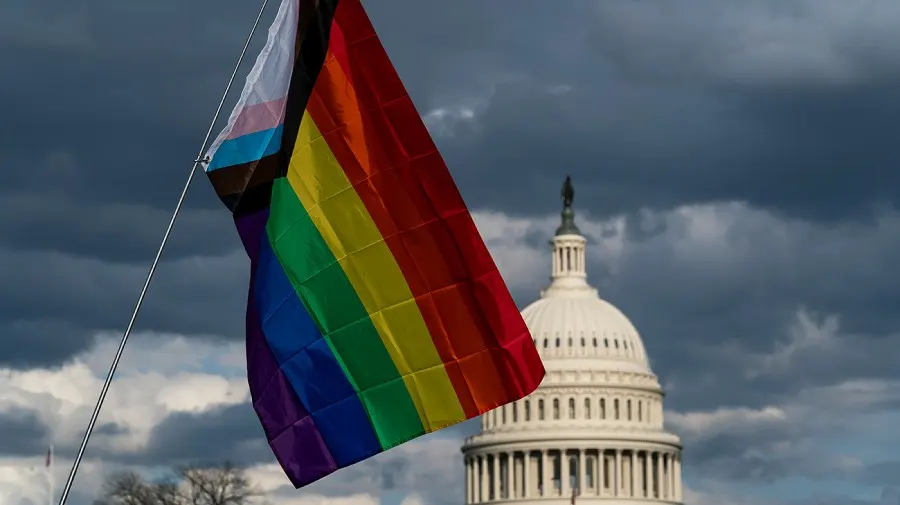
The Log Cabin Republicans, the United States' most prominent conservative LGBT advocacy group, have announced they are ending their support for transgender-focused activism to concentrate exclusively on lesbian, gay and bisexual (LGB) rights. The move, confirmed by LCR president Ross Hemminger, marks a formal narrowing of the organisation's platform away from its previous broader LGBT remit and highlights a rift within conservative gay advocacy circles over how closely trans and gay rights causes should be linked.
The group argues that transgender activism, which it characterises as increasingly "radical," has become damaging to wider public and political support for gay and lesbian causes, and that the interests of the two movements are diverging rather than aligned. Leadership say the rebrand is intended to create a clear separation between LCR's advocacy work and the transgender rights movement going forward, positioning the organisation's efforts more narrowly around LGB-specific issues.
- Log Cabin Republicans drop transgender advocacy to focus on LGB rights.
- President Ross Hemminger says trans activism has grown too "radical."
- Move formalises a split between gay/lesbian and trans advocacy causes.
New here? Start with this
Log Cabin Republicans is a long-running American advocacy group made up of gay and lesbian conservatives who support the Republican Party while pushing it to be more accepting of LGBT people. For years it has campaigned under a broader LGBT banner, taking in issues affecting transgender people alongside those affecting gay, lesbian and bisexual people.
The group has now decided to stop campaigning on transgender issues and concentrate solely on lesbian, gay and bisexual (LGB) rights. Its president, Ross Hemminger, has confirmed the change, which the group frames as a response to what it sees as growing public unease with transgender activism, arguing this unease was making it harder to win support for gay and lesbian causes specifically.
The decision matters because it exposes a divide within LGBT advocacy, particularly among conservatives, over whether transgender rights and gay and lesbian rights should be pursued together or separately. It also reflects wider debates happening across American politics about transgender issues, and could influence how other advocacy groups and Republican politicians position themselves on the subject.
Both sides, in good faith
The strongest fair case each way — we don't pick a winner.
The case for
Advocates of the split argue that lesbian, gay and bisexual rights and transgender rights, while historically allied, rest on distinct legal and social questions, and that conflating them has made it harder to build durable, cross-partisan support for either. They contend that gay marriage and workplace protections for sexual orientation now command broad, largely settled public acceptance, whereas debates over gender transition, youth medical care and sex-based categories remain genuinely contested even among moderates and some LGB people themselves. On this view, a narrower focus lets an organisation such as Log Cabin Republicans build coalitions with conservatives who support gay rights but have reservations about transgender policy specifics, arguing that pragmatic, achievable gains for one group should not be held hostage to a more polarising fight over another.
The case against
Critics of the split argue that the LGBT coalition has always drawn its strength from solidarity, since gay, lesbian, bisexual and transgender people have historically faced the same sources of discrimination, the same legal exclusions and often the same aggressors, and that fracturing the alliance now hands opponents of equal rights a strategic victory by picking off one group at a time. They contend that abandoning transgender advocacy to gain political favour sets a troubling precedent, implicitly conceding that a minority's rights are negotiable if defending them proves inconvenient, and warns that any group could be next to be deemed expendable. On this view, genuine commitment to equality requires standing with the most vulnerable members of a community even when, or especially when, doing so carries a political cost.