London Underground 5G coverage rivals street-level signal
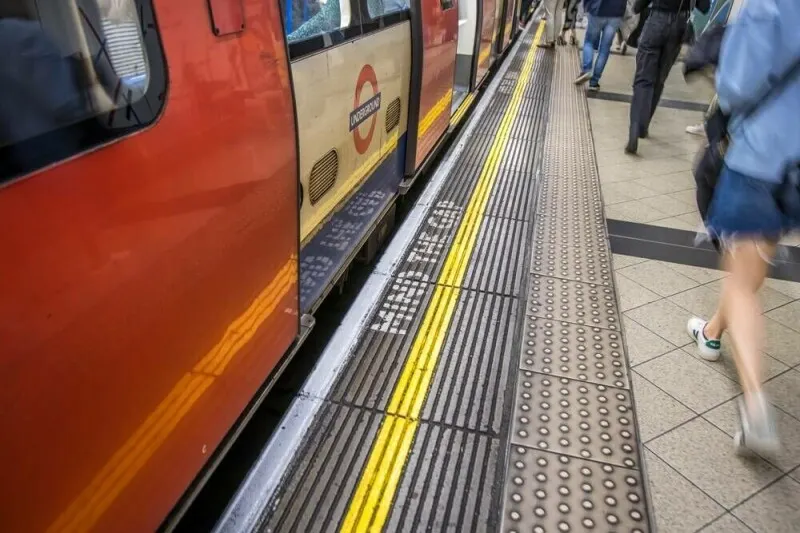
Mobile signal on parts of London's Underground now matches or beats street-level coverage for 5G, according to analysis by network intelligence firm Ookla, as Transport for London continues connecting the network after missing a 2024 deadline. The rollout matters because it addresses a long-standing gap in mobile connectivity for millions of daily Tube passengers, and the finding that below-ground infrastructure can rival surface coverage is notable given the difficulty of retrofitting Victorian-era tunnels with modern telecoms equipment.
Ookla's analysis of over 50 million signal scans across Greater London found 19.8% of below-ground connections used 5G, compared with 16.5% above ground citywide, with stronger median signal strength recorded underground for both 4G and 5G. However, Ookla cautioned this citywide comparison flatters the Tube, since it runs beneath central London where surface coverage is strongest; a like-for-like comparison with streets directly above stations showed the surface still leading slightly. About 60% of below-ground stations currently have coverage, provided by neutral host Boldyn Networks (formerly BAI Communications), with full network connectivity expected by the end of 2026.
In short
- Tube 5G coverage now rivals or beats London street-level averages, Ookla finds
- Citywide comparison flatters the Tube; like-for-like shows surface still slightly ahead
- About 60% of stations connected so far; full coverage expected by end of 2026
Explained simply
For years, mobile reception on the London Underground was patchy or unavailable, even as people became more reliant on phones for travel information and staying in touch. Extending 4G and 5G into tunnels and stations means installing equipment in a difficult underground environment, including older tunnels.
Transport for London (TfL) is overseeing the work, with Boldyn Networks installing shared equipment that mobile operators can use to provide service. Coverage is being added station by station, so it is not yet available across the whole network.
The change matters to millions of people who use the Tube, as it could make it easier to get online during journeys. Comparisons between underground and street-level signal depend on which areas are measured, since the Tube passes through central London, where mobile coverage is generally stronger.
Read the full article at the source →
Originally published by The Register as “London Tube closes the 5G gap with streets above”.