Entertainment news and discussion on TalkFuse.
London Tube drivers to go on strike across three months as RMT union continues fight against four-day working week
Developing story first seen 1 hour ago
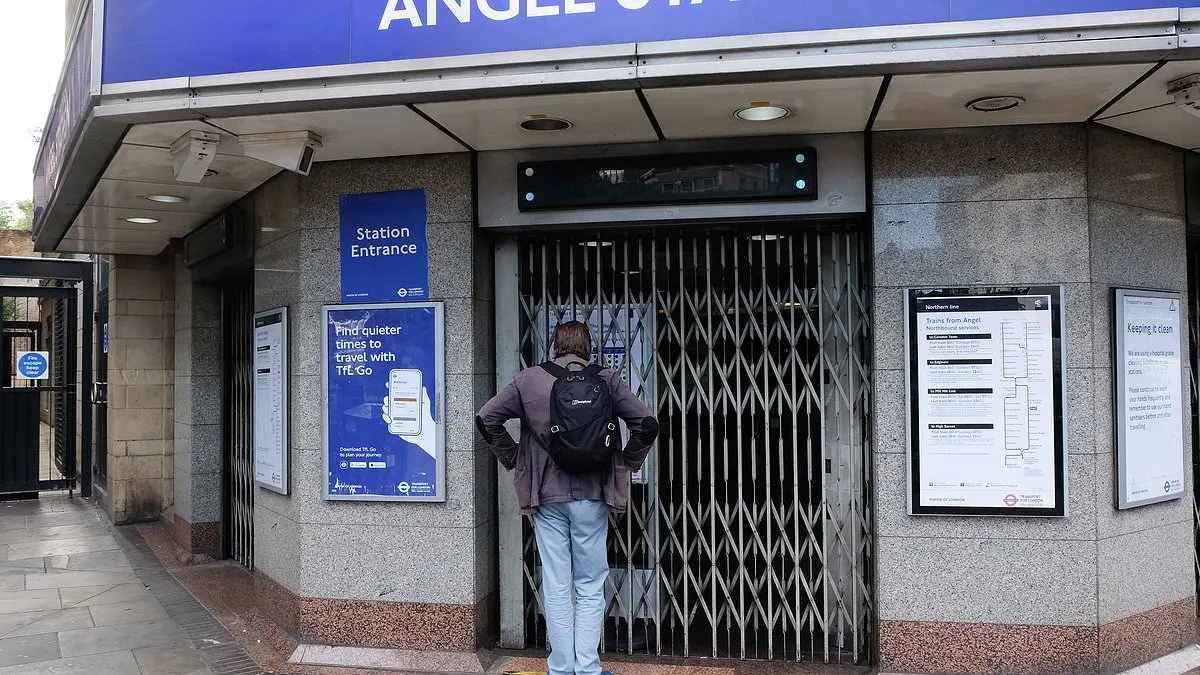
Newly added coverage details the RMT’s objection to London Underground’s proposed voluntary four-day working week: the union says drivers could lose existing protections whether they choose four or five days. It says the changes may also increase driving time and make shifts less predictable, and is calling for the proposals to be withdrawn and negotiations to begin.
Eight 24-hour strikes are planned, starting at midday on 26 November, with further walkouts on 17 and 19 December, 4 and 6 January, and 17, 23 and 25 February. RMT general secretary Eddie Dempsey says drivers who reject the scheme could be moved from their depots; London Underground’s position is not included in the article.
- Sources
- 3
- Outlets
- 3
- Left · Centre · Right
- 0 · 0 · 3
In short
- RMT says the proposed four-day week could weaken protections for all drivers.
- Eight 24-hour Tube strikes are scheduled from November to February.
- The union is urging London Underground to withdraw the plans and negotiate.
How this story developed
- 1 hour ago London Underground drivers are set to hold eight 24-hour strikes over the coming months in a dispute about proposed working arrangements. The RMT says the plans linked to a four-day working week would weaken existing protections and could affect jobs and conditions.
- 1 hour ago Newly added coverage details the RMT’s objection to London Underground’s proposed voluntary four-day working week: the union says drivers could lose existing protections whether they choose four or five days.
Full account
London Underground drivers represented by the RMT are set to hold eight 24-hour strikes between November and February, in a dispute over TfL proposals for a voluntary four-day working week and a new Trains Modernisation Framework. The action is due to start at noon on 26 November, with further stoppages scheduled for 17 and 19 December, 4 and 6 January, and 17, 23 and 25 February.
The RMT says the proposals would weaken existing protections for drivers whether they opted for a four-day roster or stayed on a five-day week. It argues that compressed hours could mean more time driving, longer and less predictable shifts, earlier starts, later finishes and changes at short notice. The union also objects to changes involving transfer rights and annual leave, and says drivers who reject the framework could be moved from their depots into a flexible staffing pool.
General secretary Eddie Dempsey has urged London Underground to withdraw the proposals and negotiate with the union. He says the arrangement risks intensifying work and reducing staff numbers, rather than improving work-life balance. Some drivers are also concerned about potential job losses, with one report connecting those fears to staffing plans for the Bakerloo line. The reports do not establish that the proposals will lead to cuts.
TfL’s plan is described as allowing drivers to opt into a four-day week, with reduced weekly hours. Aslef, the other drivers’ union, has accepted a deal and is discussing how the arrangement would work in practice. Its London organiser, Finn Brennan, has questioned the RMT’s decision to strike, citing the proposed extra 35 days off each year and changes including electronic duty booking. TfL and the Mayor of London had been approached for comment in one report; no response is included in the supplied material.
Where outlets differ
From the full account, which is AI-written from the sources:
The reports give different levels of detail about the dispute. The first and third describe the eight strike dates and quote Dempsey at length; the second focuses more on TfL’s voluntary offer, Aslef’s acceptance and concerns about possible Bakerloo line job cuts.
Only the first report sets out Aslef organiser Finn Brennan’s argument that the proposal would provide 35 extra days off and a 34-hour roster, and says talks with TfL are continuing. The second says Aslef has accepted a deal, without that detail.
The third report highlights the proposed changes to transfer rights and annual leave. The second mentions fears of job cuts linked to Bakerloo line staffing plans. These points are not set out in the same way in the other reports.
Steelman: both sides, in good faith
The strongest fair case each way — we don't pick a winner.
The case for
The RMT’s case is that a four-day week is not necessarily an improvement if it comes with longer, less predictable shifts and more time driving trains. Existing protections and conditions may help safeguard drivers’ wellbeing and jobs, so the union argues that London Underground should withdraw the proposals and negotiate changes before implementing them.
The case against
London Underground could argue that reorganising working patterns around a four-day week may offer drivers a more concentrated workweek and help the service operate effectively. Changes to shift lengths and scheduling may be needed to make that arrangement workable; the company may see negotiations, rather than strikes that disrupt passengers, as the appropriate way to address concerns while retaining the proposal.
Explained simply
The RMT is a trade union that represents many London Underground workers, including train drivers. London Underground is part of Transport for London, the public body responsible for the capital’s Tube network.
A four-day working week can mean arranging the same work across fewer days, but the details depend on the employer’s plan and any agreed safeguards. In this dispute, the union says the proposed arrangements could change drivers’ shifts, time spent driving and existing protections; those concerns are part of wider negotiations over working conditions and jobs.
The disagreement matters because changes to drivers’ schedules affect their working lives and can also disrupt Tube services for passengers. The outcome depends on discussions between the union and London Underground about how the proposed arrangements would work.
Coverage · 3 sources
Bias meters
From 3 rated sources.