Longer than a double-decker bus, the mega dinghies raking in £300,000 a trip for the traffickers
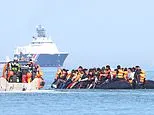
A report highlights the growing scale of small-boat crossings of the Channel, focusing on oversized dinghies now used by people-smuggling gangs that are longer than a double-decker bus. These vessels allow traffickers to pack in far more passengers per crossing, significantly boosting the profits smugglers can extract from migrants attempting to reach the UK.
According to the report, each trip using one of these enlarged boats can net traffickers around £300,000, underlining how lucrative and industrialised the smuggling operations have become. The figures point to the financial incentives driving gangs to keep sending overcrowded, unsafe vessels across one of the world's busiest shipping lanes, despite the risks to those on board.
In short
- Smugglers use dinghies longer than a double-decker bus
- Each Channel crossing can earn traffickers about £300,000
- Report underscores scale and profitability of people-smuggling gangs
Steelman: both sides, in good faith
The strongest fair case each way — we don't pick a winner.
The case for
Those who favour tougher enforcement argue that scenes like this expose a ruthless criminal industry exploiting desperate people for enormous profit, and that only firmer deterrents – stronger sea and coastal patrols, faster removals, agreements with departure countries, and cracking down on the supply of boats and outboard motors – will break the smugglers' business model. They contend that allowing ever-larger, more dangerous vessels to keep launching is not compassion but negligence, since it is migrants themselves who drown when overcrowded dinghies fail, and that a state which controls its borders effectively is better placed to protect genuine refugees through safe, legal routes rather than leaving their fate to gangs.
The case against
Those who favour a more humanitarian, root-causes approach argue that the sheer size of these vessels shows that people will take extraordinary risks regardless of enforcement, because the danger of the crossing matters less to them than the danger and desperation they are fleeing. They contend that criminalising the boats or their passengers without opening more safe and legal asylum routes simply pushes migrants toward ever more dangerous smuggler-run alternatives, and that resources are better spent dismantling trafficking networks internationally, addressing the conflicts and poverty driving displacement, and processing claims humanely rather than treating arrivals primarily as a security or deterrence problem.
Explained simply
Thousands of migrants attempt to cross the English Channel by small boat each year, seeking to reach the UK. Smuggling gangs profit by arranging these perilous journeys, charging migrants substantial sums for passage. The route has become a significant focus for UK border security and immigration enforcement.
In recent years, trafficking gangs have increasingly employed oversized dinghies in their operations, deploying vessels considerably larger than traditional small boats to carry far more passengers per crossing. By packing greater numbers of migrants onto each journey, gangs substantially boost the profits they extract from each trip. These enlarged vessels represent a shift towards larger-scale, higher-capacity smuggling operations.
The financial returns from these operations are considerable, with individual journeys reportedly generating profits of around £300,000 for traffickers. These substantial sums create strong incentives for smuggling gangs to continue sending vessels across one of the world's busiest shipping lanes despite the significant safety risks. The scale and commercialisation of modern smuggling networks illustrate how the people-smuggling business has become a large-scale, industrialised operation.