Ashcroft poll finds five groups divide views on climate policy
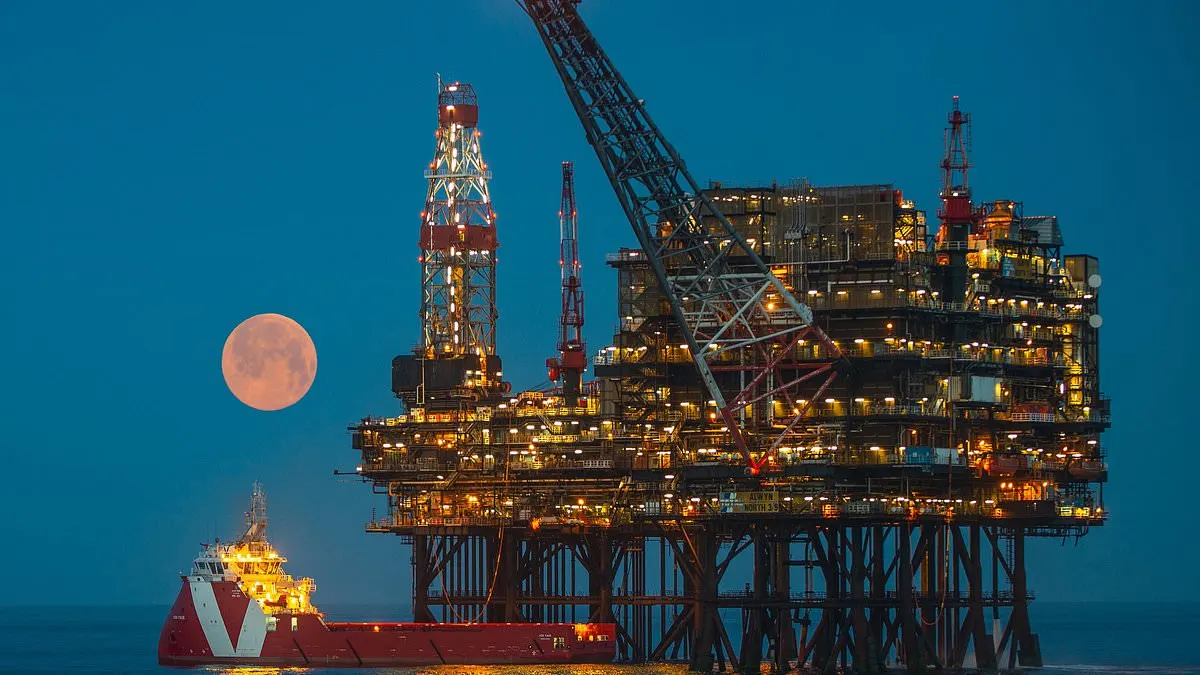
Lord Ashcroft’s polling suggests Britons’ views on climate policy fall into five broad “tribes”, challenging the idea that opinion is split simply between environmental advocates and climate sceptics. The findings matter as climate and energy policy may become a major election issue, with voters weighing emissions goals against household costs, energy security and trust in decision-makers.
The groups range from people who want faster action to those who doubt the threat is being fairly represented, while many accept climate change is real but disagree on the pace and cost of the response. The article says respondents tended to prioritise affordability and independence from foreign suppliers, and were more likely to support new oil and gas exploration than oppose it; one in three backed Labour’s ban on new exploration. Polling also found support for wind and solar farms, nuclear power and some climate-related taxes when revenues would be used for their stated purpose.
In short
- Polling identifies five broad tribes in British climate opinion.
- Costs and energy security rank highly for voters.
- Views differ on Net Zero and new oil and gas exploration.
Steelman: both sides, in good faith
The strongest fair case each way — we don't pick a winner.
The case for
Supporters of faster climate action argue that cutting emissions sooner can limit future environmental and economic harm, while investment in renewables and nuclear can strengthen Britain’s energy independence. They may accept some near-term costs or targeted taxes if these fund effective measures and reduce reliance on imported fuels.
The case against
Those urging caution argue that climate policies should not make energy less affordable or secure, particularly for households and businesses already facing high costs. They favour a pace that reflects practical constraints and public consent, and may see domestic oil and gas exploration as a way to reduce dependence on foreign suppliers while lower-carbon alternatives expand.
Explained simply
Climate policy covers decisions about reducing greenhouse gas emissions and supplying energy, including the use of renewable power, nuclear energy, oil and gas. In Britain, these choices affect household bills, energy security and the country’s efforts to limit climate change.
People differ over how quickly change should happen and who should pay for it. Some favour faster action, while others question the scale of the threat or the costs of proposed measures; many accept climate change is real but weigh it against affordability and reliable energy supplies.
Political parties make choices about energy and climate policy, and voters may judge them on those choices at elections. Polls can show how views vary, but they do not determine what policies governments adopt.
Climate Elections Environment Politics Science World
Read the full article at the source →
Originally published by Daily Mail as “LORD ASHCROFT: Britons are split into five ‘tribes’ on climate change but many agree on one thing… why do our best if the others keep polluting?”.