Entertainment news and discussion on TalkFuse.
Lord Speaker sounds alarm at plans to spend up to £40BILLION on Star Trek-style overhaul of Parliament as crunch vote looms within weeks
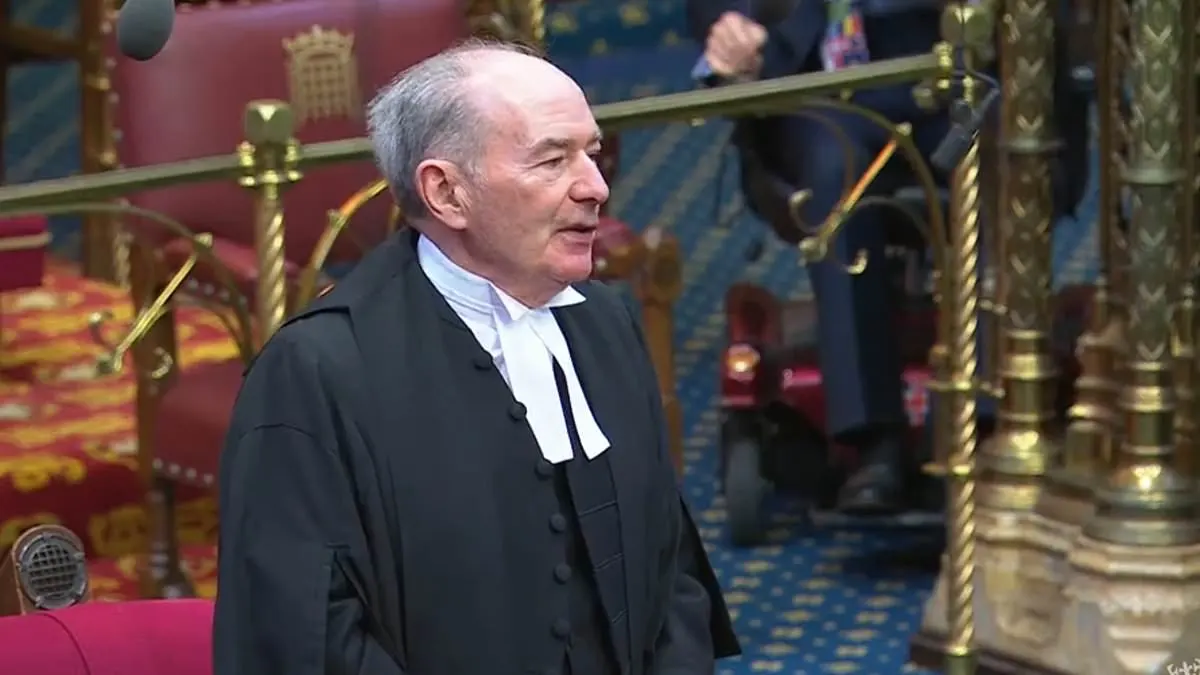
Lord Forsyth, the Lord Speaker, has challenged plans for a major restoration of the Palace of Westminster, warning that MPs and peers may be asked to approve billions in initial spending without enough information about the proposals’ scope, affordability and consequences. His intervention comes ahead of a vote expected next month and raises questions about whether essential repairs can be separated from improvements and whether the plans offer value for money.
A report set out two options: moving MPs and peers out for eight to 15 years at a cost of about £15.6 billion, or keeping MPs on site while relocating peers, a project lasting 38 to 61 years and costing up to £39.2 billion. The coming vote concerns up to £3 billion for seven years of initial works; a later decision on the main plan is expected in the mid-2030s. Forsyth cited delays to another parliamentary building project and compared the proposals with Buckingham Palace’s £400 million, 10-year overhaul, while noting that converting the QE2 conference centre for peers alone could cost more than £400 million.
In short
- Lord Forsyth questions the scale and cost of Parliament’s restoration plans.
- The two main options could cost £15.6 billion or up to £39.2 billion.
- MPs and peers are due to vote on up to £3 billion of initial works.
Steelman: both sides, in good faith
The strongest fair case each way — we don't pick a winner.
The case for
The Palace needs major repairs, and delaying them could increase costs or risk damage to an important historic building. A vote on initial works could let essential repairs begin while Parliament develops a clearer long-term plan; relocating people in stages may also avoid the disruption of moving both Houses out for many years.
The case against
The proposed programme is so large and long-running that Parliament should have a clearer account of its scope, affordability and likely consequences before committing billions. Separating urgent repairs from optional improvements, and comparing the plans’ costs and delivery risks with alternatives, would help ensure public money is spent responsibly.
Explained simply
The Palace of Westminster is the historic building where the UK Parliament meets. Its ageing structure needs extensive repairs, and the restoration proposals also consider how MPs and peers could continue their work while construction takes place.
MPs sit in the House of Commons, while peers sit in the House of Lords; together, they scrutinise and make laws. The restoration plans set out different ways to house them during the work, with different costs and timescales. A vote on early works would commit public money before a later decision on the main project.
Celebrity Culture Elections Entertainment Fashion Government Politics World