Lost piece of Jesus’ world emerges after 2,000 years in extraordinary discovery
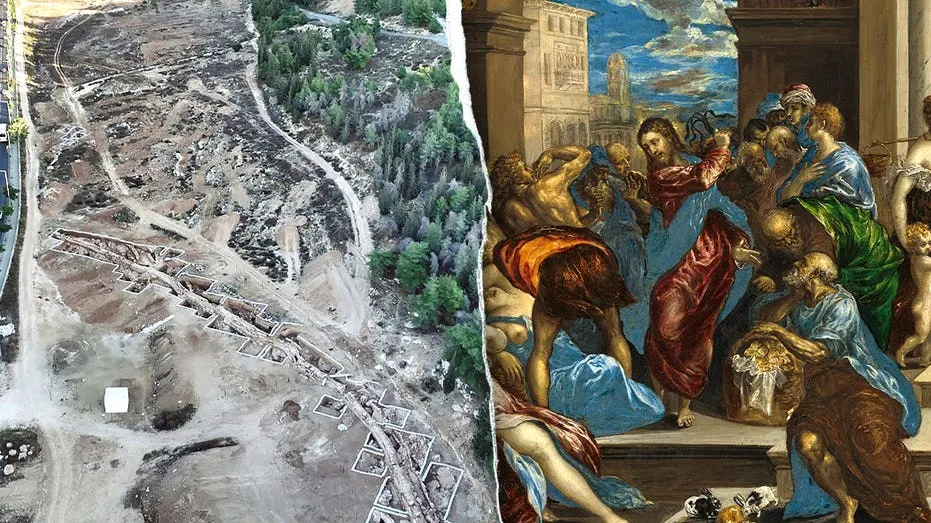
Archaeologists have uncovered a roughly 2,000-year-old aqueduct near Jerusalem, a section of which may have carried water used at the Temple Mount during Jesus’s lifetime. The discovery offers a glimpse of the engineering and religious practices of ancient Jerusalem, though there is no direct evidence that Jesus or his disciples personally used its water.
The excavated section is about 984 feet long and formed part of a 13-mile route from Solomon’s Pools near Bethlehem to Jerusalem. Built during the Hasmonean period, the gravity-fed aqueduct supplied water for ritual purification and cleaning after sacrifices, and remained in intermittent use until about a century ago. It is due to be preserved at the entrance to a planned residential development.
- Archaeologists uncovered a section of a 2,000-year-old Jerusalem aqueduct.
- It carried water from near Bethlehem to the Temple Mount.
- Its possible use by Jesus is an expert’s view, not proven evidence.
New here? Start with this
Ancient Jerusalem relied on carefully built water systems to supply its residents and places of worship. The Temple Mount was the site of the Jewish temple, where worship included sacrifices and purification rituals.
The Hasmoneans, a Jewish ruling dynasty, built an aqueduct carrying water from pools near Bethlehem towards Jerusalem. Its route helps explain how the city supported religious and daily life in the period associated with Jesus, although there is no evidence that he or his disciples used this water.