Louisiana becomes latest state to launch Fauci investigation following explosive Senate hearing
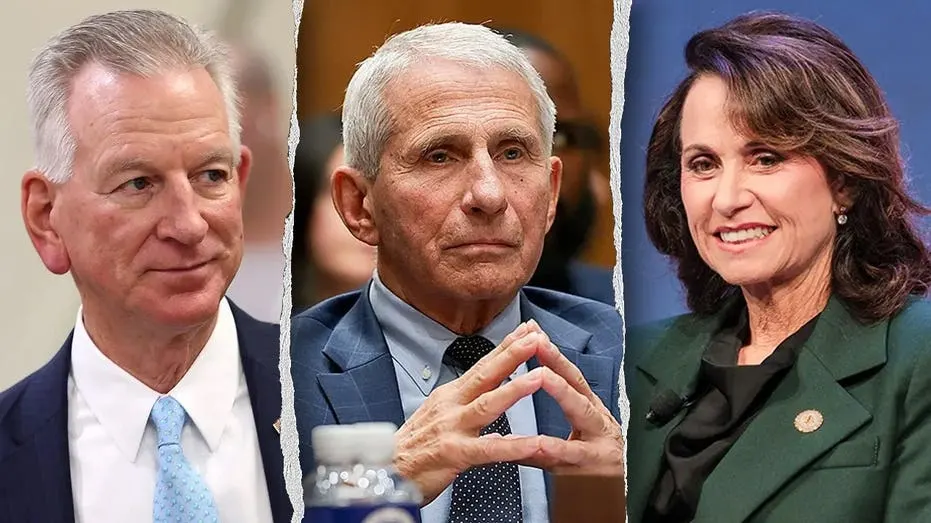
Louisiana Attorney General Liz Murrill has announced that her office will investigate Dr Anthony Fauci, the former director of the US National Institute of Allergy and Infectious Diseases, becoming the latest state to launch such a probe. The move follows a heated Senate hearing at which Fauci repeatedly declined to answer questions, prompting renewed scrutiny of his conduct during the Covid-19 pandemic and adding to a wave of state-level legal challenges against him.
Fauci invoked his Fifth Amendment right against self-incrimination 111 times during Wednesday's hearing before the Senate Homeland Security and Governmental Affairs Committee, refusing to respond to lawmakers' questions relating to his personal diary and the pandemic response. Murrill confirmed the investigation in a social media post on Saturday, joining other states pursuing similar action, while separately Senator Rand Paul has said he intends to send a criminal referral concerning Fauci to the Department of Justice.
In short
- Louisiana AG Liz Murrill to investigate Fauci after Senate hearing.
- Fauci pleaded the Fifth 111 times over Covid-era conduct.
- Sen Rand Paul separately plans a DOJ criminal referral.
Steelman: both sides, in good faith
The strongest fair case each way — we don't pick a winner.
The case for
Supporters of the investigations argue that public officials who directed sweeping pandemic policies, from lockdowns to funding decisions, must be accountable to the same legal scrutiny as any other government actor, particularly when questions remain about the origins of the virus and the funding of gain-of-function research. They contend that Dr Fauci's repeated invocation of his Fifth Amendment right, however lawful, only heightens the public's interest in knowing what a state-level inquiry might uncover about decisions that profoundly affected millions of lives and livelihoods. For these advocates, launching a formal probe is not persecution but a legitimate exercise of a state attorney general's oversight role, ensuring that no official is treated as beyond examination simply because of past prominence.
The case against
Critics of the investigations argue that Dr Fauci has already faced exhaustive congressional scrutiny over several years, and that a coordinated wave of state-level probes, arriving after he left office and lost the legal protections of his position, looks less like even-handed law enforcement and more like political retaliation against a figure who became a lightning rod during the pandemic. They point out that exercising a constitutional right against self-incrimination is not evidence of wrongdoing, and that credible legal experts have found no prior indication of prosecutable conduct. For these advocates, channelling multiple state resources into investigating a single former official, coordinated with a political ally's criminal referral, risks setting a precedent that discourages qualified experts from ever serving in public health roles for fear of endless post-hoc legal exposure.
Explained simply
Anthony Fauci led the US National Institute of Allergy and Infectious Diseases for decades, including during the Covid-19 pandemic. In that role, he advised on infectious disease research and became a prominent public voice on the US response to the pandemic.
The Fifth Amendment to the US Constitution protects people from being compelled to give answers that could incriminate them. State attorneys general, including Louisiana’s, can investigate possible violations of state law, while criminal referrals ask federal authorities to consider whether to pursue a case. These actions concern questions about Fauci’s conduct and the pandemic response, which remain politically and legally contested.