Pappano leads LSO in bold, disciplined Mahler Second symphony
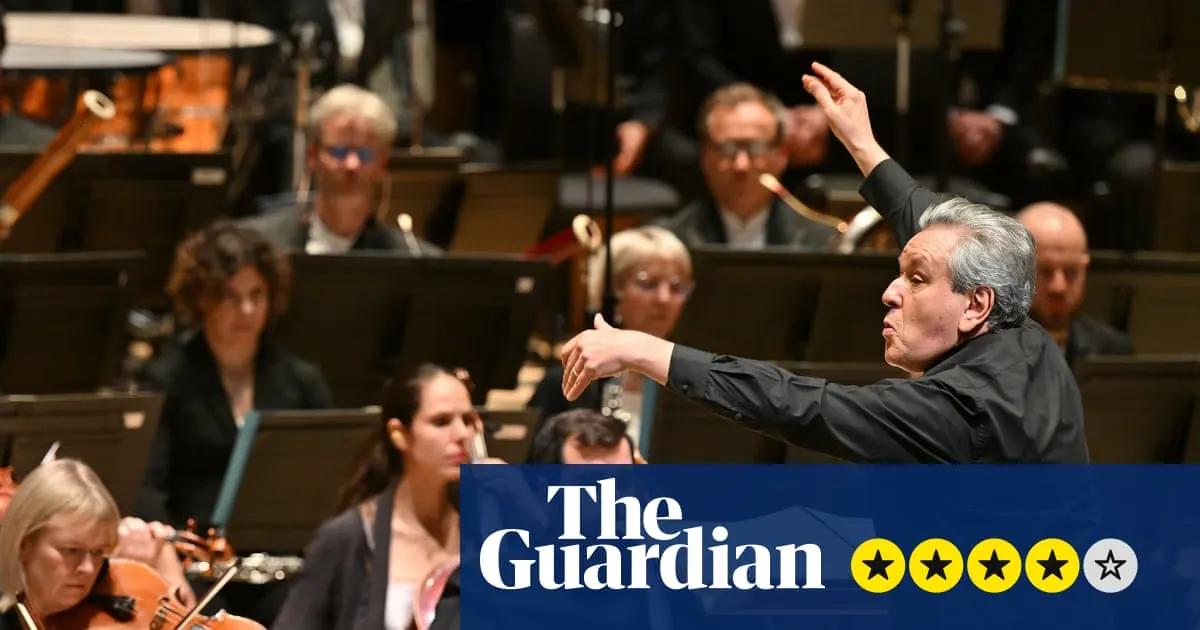
The London Symphony Orchestra opened its Barbican season with Mahler’s Second Symphony, conducted by Antonio Pappano. Their forceful, cohesive performance made bold choices while bringing clarity and discipline to the work’s dramatic shifts.
The concert began with the UK premiere of Dai Fujikura’s 10-minute Amber Alchemy, inspired by beehives on the London offices of its commissioner, Nomura Holdings. Contralto Noa Beinart sang “Urlicht” in the Mahler, whose finale built to an imposing climax, though the chorus initially sounded too urgent and the hall’s acoustics hindered the apotheosis.
- Pappano led a bold, cohesive Mahler Second.
- Dai Fujikura’s bee-inspired work opened the concert.
- The hall’s acoustics weakened the finale’s climax.
New here? Start with this
Gustav Mahler’s Second Symphony is a large-scale work for orchestra, solo singers and choir, first performed in the 1890s. Often called the “Resurrection” Symphony, it moves from a funeral march through contrasting songs and orchestral passages to a finale that explores death, faith and the possibility of renewal.
Antonio Pappano is a conductor, and the London Symphony Orchestra is one of the UK’s major orchestras, based at the Barbican in London. The concert also featured “Urlicht”, a song within the symphony, and a new work by Dai Fujikura, a Japanese composer whose piece was inspired by beehives at the London offices of its commissioner, Nomura Holdings.
The symphony’s scale and shifts in mood make the balance between dramatic force and musical clarity central to how it is heard. Its use of solo voices and choir also brings a human dimension to the orchestra’s account of its themes.
Culture Entertainment TV UK World
Read the full article at the source →
Originally published by The Guardian as “LSO/Pappano review – bold, dramatic and cohesive reading of Mahler 2”.