New releases, music videos and album news — indie, rap, rock and pop. Always covering Ren, Chris Webby, Sam Tompkins, bbno$, CHINCHILLA, Muse, Yungblud and more.
Luca Guadagnino was adamant that ‘Call Me by Your Name’ didn’t need full-frontal nudity. James Ivory disagreed
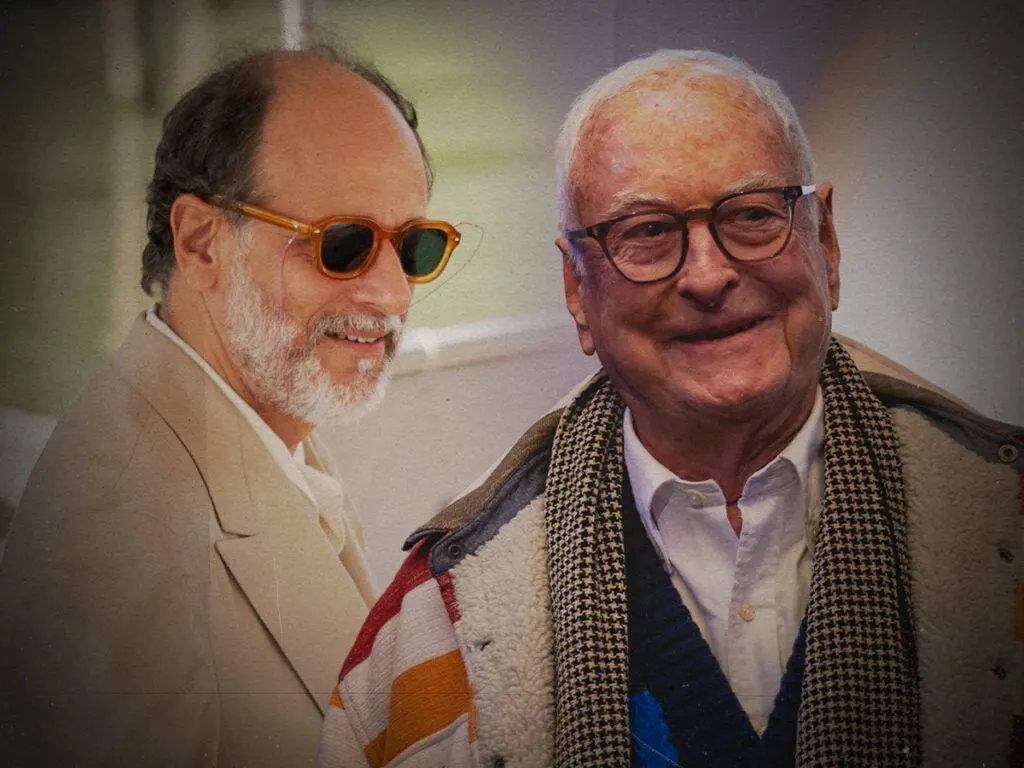
Luca Guadagnino and screenwriter James Ivory disagreed over whether *Call Me by Your Name* should show full-frontal male nudity. Ivory wanted it in the screenplay, arguing that avoiding it made post-sex scenes feel artificial and reflected cultural discomfort with male nudity; Guadagnino said it was not needed for the film.
The finished 2017 film shows bare chests and behinds but no full-frontal nudity, which the article says was also excluded because the actors’ contracts ruled it out. Ivory, who won the Academy Award for adapted screenplay, criticised that choice, while Guadagnino said Ivory’s view was not pragmatic and reflected a different idea of the film.
In short
- Ivory wanted full-frontal nudity in the screenplay.
- Guadagnino said the film did not need it.
- The actors’ contracts reportedly excluded it.
Steelman: both sides, in good faith
The strongest fair case each way — we don't pick a winner.
The case for
Showing full-frontal nudity could have made the post-sex scenes feel more natural and less carefully arranged, as Ivory argued. It might also have challenged the cultural tendency to treat male nudity as more shocking or unacceptable than other forms of nudity, supporting a more honest portrayal of intimacy.
The case against
Guadagnino could reasonably judge that full-frontal nudity was not necessary to tell the story and that the film’s intimacy could be conveyed without it. The actors’ contracts also ruled it out, making its inclusion impractical in the finished production.
Explained simply
Call Me by Your Name is a 2017 romantic drama directed by Luca Guadagnino, based on a novel by André Aciman. Set in northern Italy in the 1980s, it follows Elio, a teenager, and Oliver, an American graduate student who stays with Elio’s family.
James Ivory, a film-maker and screenwriter, adapted the novel for the screen and won an Academy Award for the screenplay. Ivory and Guadagnino had different views about how openly the film should show the characters’ bodies after sex.
Their disagreement touches on choices made when adapting a book for film, including how nudity is presented and what actors’ contracts allow. The finished film includes some nudity but does not show full-frontal male nudity.