Luke Fickell says ‘burn the ships’ as Wisconsin more than doubles NIL spending for 2026
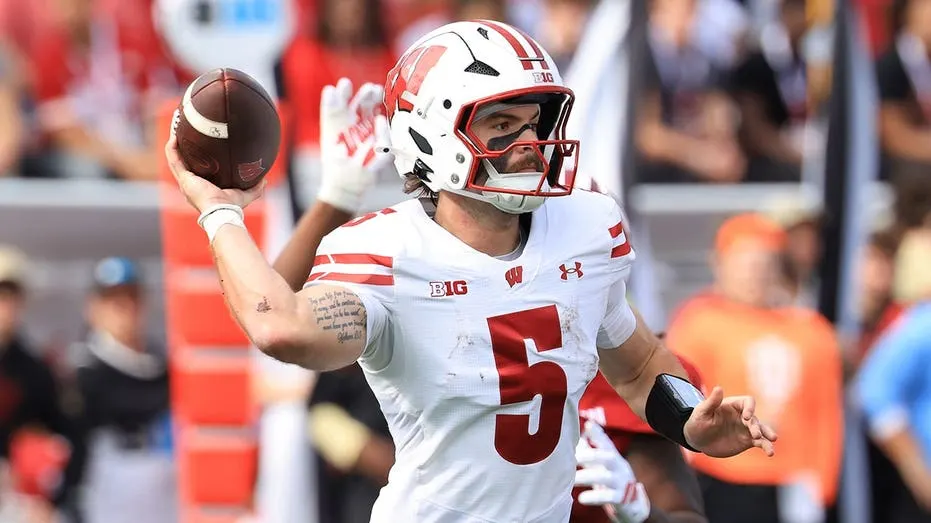
Wisconsin's football programme is set to significantly increase its investment in player compensation for the 2026 season, with head coach Luke Fickell using the phrase "burn the ships" to signal a full commitment to the new pay-for-play era of college football. The move reflects growing pressure on traditionally conservative-spending programmes to keep pace with rivals who have embraced large-scale NIL (name, image and likeness) budgets to attract and retain talent, as the Badgers look to reverse recent struggles on the field.
The article reports that Wisconsin's NIL spending for 2026 is set to more than double compared with previous levels, marking a notable shift for a programme historically seen as more cautious in the collegiate sports compensation arms race. The report comes amid wider turbulence in college athletics funding, with the piece also referencing a Senate panel moving to mark up NIL legislation aimed at bringing order to the "chaos" surrounding athlete pay, and criticism from figures such as former Alabama coach Nick Saban over the system's prioritisation of money over player development.
- Wisconsin more than doubles its NIL spending budget for 2026.
- Coach Luke Fickell says "burn the ships" on new spending commitment.
- Comes as Senate weighs legislation to regulate chaotic NIL system.
New here? Start with this
NIL stands for name, image and likeness, which refers to payments college athletes receive for using their personal brand, such as through endorsements or sponsorships. This has become an increasingly important way for players to earn money in American college sports. Wisconsin's football programme is now substantially increasing its spending in this area to pay its players.
Wisconsin has traditionally been more conservative than many rival universities when spending on player compensation. The programme is now responding to pressure from competitors who have invested heavily to attract top talent. This shift reflects a broader trend in college athletics, where programmes nationwide are rapidly raising compensation budgets to recruit and retain the best players.
The rapid growth of athlete compensation spending has caught the attention of policymakers and sports leaders who worry about its effects on college athletics. Legislators are working on new regulations to address what some view as an unsustainable competition for spending, whilst critics argue the system prioritises money over player development and education. Wisconsin's decision highlights how athlete compensation has become a central feature of modern college football.
Both sides, in good faith
The strongest fair case each way — we don't pick a winner.
The case for
A larger NIL budget could help Wisconsin recruit and retain talented players in a more competitive college football landscape, giving the programme a better chance to improve results. Supporters may see the investment as adapting to a system in which athletes can earn compensation, while giving coaches and administrators a clearer way to build a competitive team.
The case against
Rapidly increasing NIL spending may intensify an arms race that advantages programmes able to commit the most money and makes planning harder for colleges. Critics may also worry that treating compensation as the main route to success can weaken the emphasis on player development and leave athletes’ interests dependent on a volatile, unsettled system.