Lula wins fourth term in dramatic Brazil election comeback
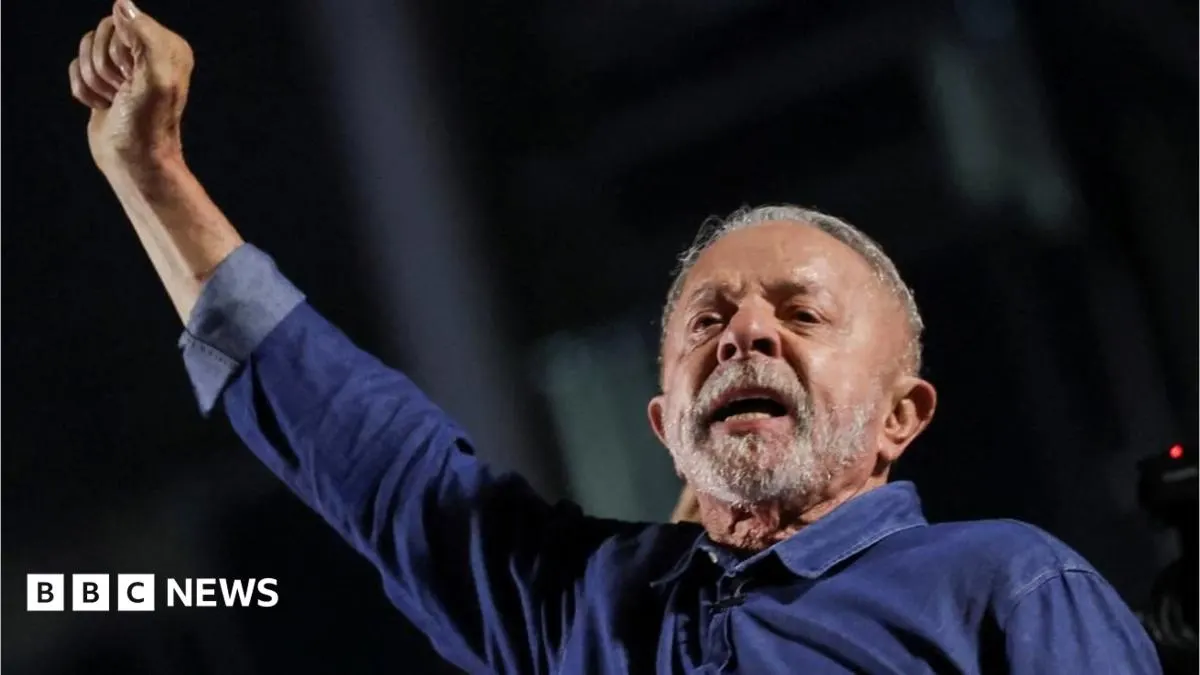
Luiz Inácio Lula da Silva has won a fourth term as Brazil’s president, defeating right-wing challenger Flávio Bolsonaro in a dramatic reversal after finishing second in the first round. Lula said the result was a victory for democracy; Bolsonaro has rejected it and called for the election to be annulled, though the challenge appears unlikely to succeed.
Lula received 51.79% of the vote, beating Bolsonaro by 4.4 million votes. The Supreme Electoral Court confirmed the result and said a two-hour extension to voting did not affect the outcome; both campaigns had sought extra time for voters facing transport problems or heavy rain. Turnout rose sharply in the second round, while markets fell after the result, and Lula now faces a divided country and a Congress with many Bolsonaro allies.
In short
- Lula wins a historic fourth Brazilian presidency.
- He beat Flávio Bolsonaro by 4.4 million votes.
- Bolsonaro disputes the result as Lula faces a hostile Congress.
Steelman: both sides, in good faith
The strongest fair case each way — we don't pick a winner.
The case for
Lula’s supporters can argue that the certified result reflects voters’ choice and a clear constitutional process, making respect for it essential to democratic stability. His victory may also offer a chance to address the priorities of those who backed him, while the stronger second-round turnout suggests broad engagement despite a close contest.
The case against
Bolsonaro’s supporters can argue that credible elections depend on scrutiny when concerns arise about voting access or administration, and that a lawful challenge should be heard before the result is treated as beyond question. They may also point to the divided electorate, the close margin and market unease as reasons to demand careful oversight and a government attentive to voters who opposed Lula.
Explained simply
Brazil elects its president in two rounds when no candidate wins a majority in the first. Luiz Inácio Lula da Silva, widely known as Lula, is a former president who returned to office after losing the previous election; Flávio Bolsonaro is the son of former president Jair Bolsonaro and ran on the right.
The result comes amid sharp political divisions following Jair Bolsonaro’s presidency and disputes over Brazil’s election system. The president shares power with Congress, so Lula will need support there to pass laws, while the Supreme Electoral Court oversees national elections.
Americas Elections Government Politics World