Technology news and discussion on TalkFuse.
‘Maintain control’: UN chief calls for creation of global AI safety framework within a year
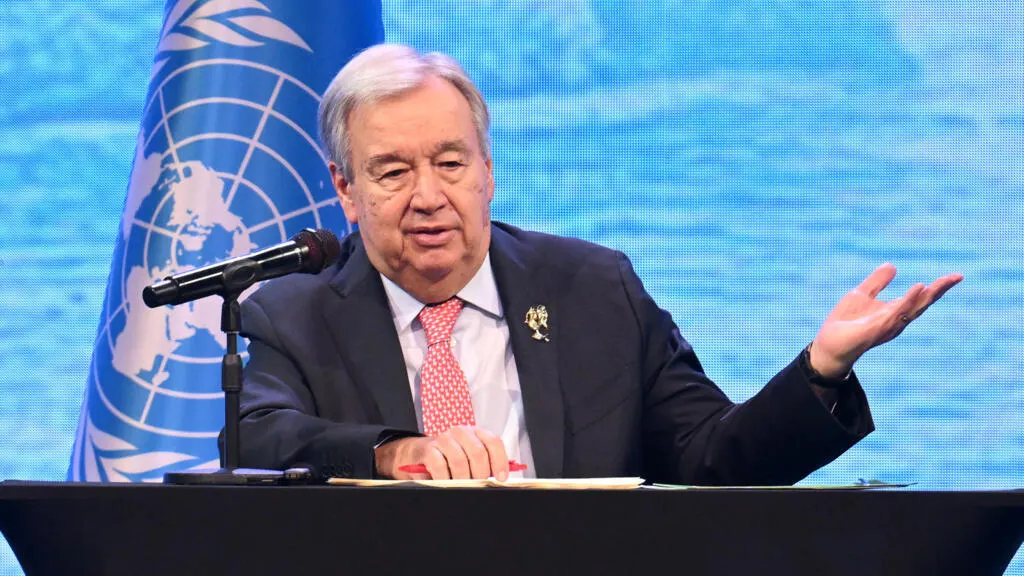
UN Secretary-General Antonio Guterres has urged countries to create a globally inclusive framework for managing AI risks within a year. He said shared safety measures, testing and independent oversight could help people retain control as the technology advances.
Guterres made the call at an AI safety summit in Barbados, as his term at the UN approaches its end. International regulation faces obstacles: the United States and China are competing for technological advantage, and US regulators are unlikely to intervene; a voluntary safety code has been agreed by some American technology executives.
In short
- Guterres wants a global AI risk framework within a year.
- He proposed shared safety measures, testing and independent oversight.
- US-China competition complicates international regulation.
Steelman: both sides, in good faith
The strongest fair case each way — we don't pick a winner.
The case for
A globally agreed framework could help countries address AI risks that cross borders, including safety failures and harms that no single government can manage alone. Shared testing standards and independent oversight may build public trust, while ensuring that countries and communities with less influence in the technology race have a say in its governance.
The case against
A global framework could slow useful innovation if it imposes broad or inflexible rules before the technology’s risks and benefits are well understood. With major powers competing and unlikely to accept constraints that disadvantage them, negotiations may produce weak standards or shift development to places with fewer safeguards; voluntary codes and national rules may be more practical and adaptable.
Explained simply
The United Nations is an organisation where countries work together on issues that cross borders. Its secretary-general, Antonio Guterres, leads its public work and represents the organisation, but governments decide whether to adopt international rules.
Artificial intelligence refers to computer systems that can perform tasks such as generating text or analysing information. Governments and technology companies are weighing how to manage possible risks, while countries including the United States and China compete to develop the technology.
Rules agreed internationally can be difficult to put into practice, especially when countries have different priorities. Some technology companies have backed voluntary safety guidelines, which rely on firms choosing to follow them.
AI Geopolitics Politics Technology World