Major rule change for thousands of Aussie police officers after independent review
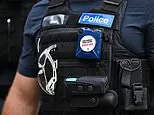
NSW Police has introduced a major overhaul of its body-worn camera rules following an independent review, affecting thousands of officers across the force. The changes come after scrutiny of how and when officers are required to activate their cameras during interactions with the public, aiming to improve accountability and transparency in policing.
The revised policy sets out clearer guidelines on camera use, with officers now expected to follow updated protocols in a wider range of situations than before. The reform follows growing public and institutional pressure for greater oversight of police conduct, with body-worn footage increasingly used as evidence in complaints, court proceedings and misconduct investigations.
In short
- NSW Police overhauls body-worn camera rules after independent review
- Thousands of officers affected by updated activation guidelines
- Move aims to boost accountability and transparency in policing
Steelman: both sides, in good faith
The strongest fair case each way — we don't pick a winner.
The case for
Supporters of stricter body-worn camera protocols argue that wider activation requirements strengthen accountability and public trust in policing. Video evidence protects both officers and the public by providing objective documentation of interactions, deters misconduct, and ensures transparent oversight of police conduct in alignment with modern democratic expectations for institutional accountability.
The case against
Opponents of expanded recording mandates contend that overly prescriptive camera requirements impose unnecessary administrative burden on officers and raise privacy concerns for both police and members of the public they interact with. They argue that some operational discretion is essential for effective policing, and that excessive recording obligations may hamper legitimate police work without meaningfully improving public safety outcomes.
Explained simply
Body-worn cameras are small devices worn by police officers to record some of their interactions with the public. In New South Wales, the state police force has rules covering when officers should switch them on and how recordings are used.
The footage can provide a record of encounters and may be considered in complaints, court cases and investigations into police conduct. Clear rules matter to officers and the public because they shape what is recorded and how that material can be reviewed.
Government Politics Software Technology World