Major shake-up for NSW driver licences as new QR code system expands: What motorists need to know
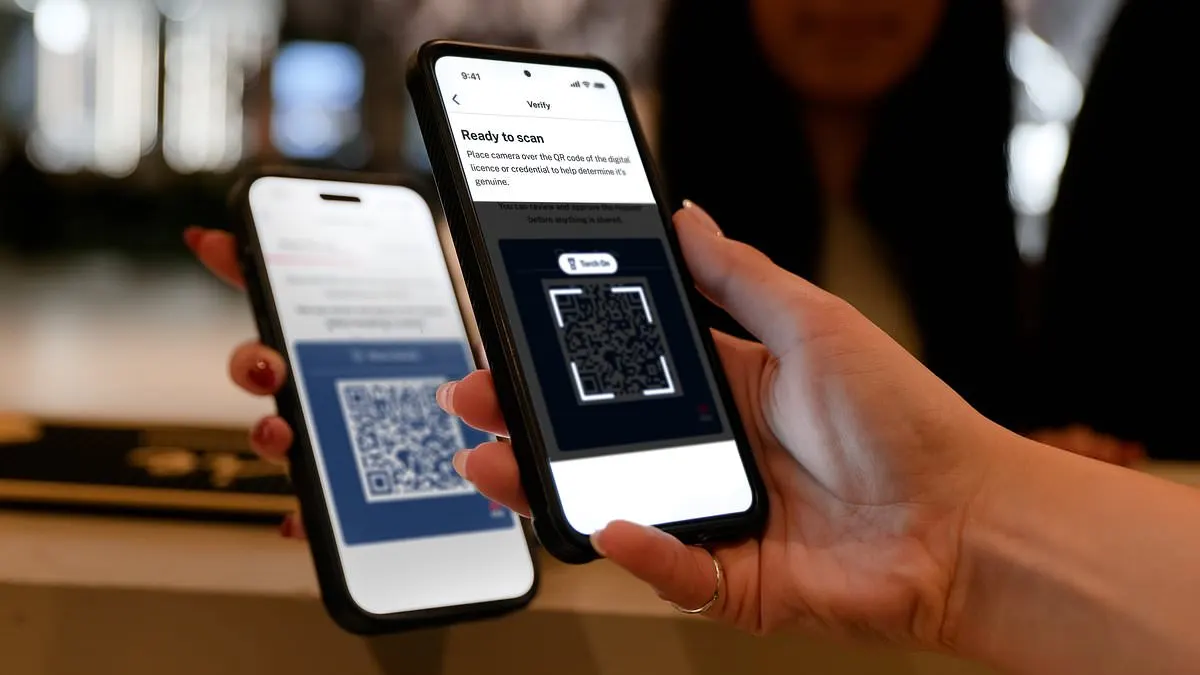
New South Wales is expanding a trial that lets motorists use a QR code linked to their digital driver licence to prove specific details, such as being over 18, without sharing their full licence or other personal information. The scheme is intended to improve privacy and protect against identity misuse, and could be rolled out statewide if the trial succeeds.
The pilot began in Western Sydney and the Blue Mountains and is now extending to Fairfield, Liverpool, Campbelltown, Hawkesbury and Camden; a statewide rollout is planned for 2027. More than 19,000 residents had signed up by 30 September, and four local venues currently accept the system. The trial is part of an $11.5 million investment in digital identity improvements.
- NSW is expanding a QR code digital licence trial.
- Users can share selected details without revealing their full licence.
- Statewide rollout is planned for 2027 if the trial succeeds.
New here? Start with this
A digital driver licence is an electronic version of a state-issued licence, used on a phone as proof of identity and driving entitlement. In New South Wales, a new QR code feature is being tested to let people confirm one detail, such as their age, without showing the rest of their licence.
The system is intended to limit how much personal information a venue needs to see and reduce the risk of identity details being misused. Its success depends partly on whether businesses accept it and whether residents find it practical, as NSW considers wider use of digital identity services.
Both sides, in good faith
The strongest fair case each way — we don't pick a winner.
The case for
The QR system could let motorists confirm only the detail a venue needs, such as being over 18, instead of exposing a full licence with other personal information. Supporters can argue that this reduces opportunities for identity misuse while making age checks more convenient, and that a trial allows the approach to be assessed before any statewide rollout.
The case against
Even a privacy-focused digital system may create new risks if licence data, QR codes or verification services are compromised, or if people feel pressured to use a digital credential. Critics can reasonably question whether the safeguards, reliability and access arrangements are adequate, and whether public investment is justified before the trial shows clear benefits over existing checks.