Business news and discussion on TalkFuse.
Major UK defence company to cut 1,000 jobs
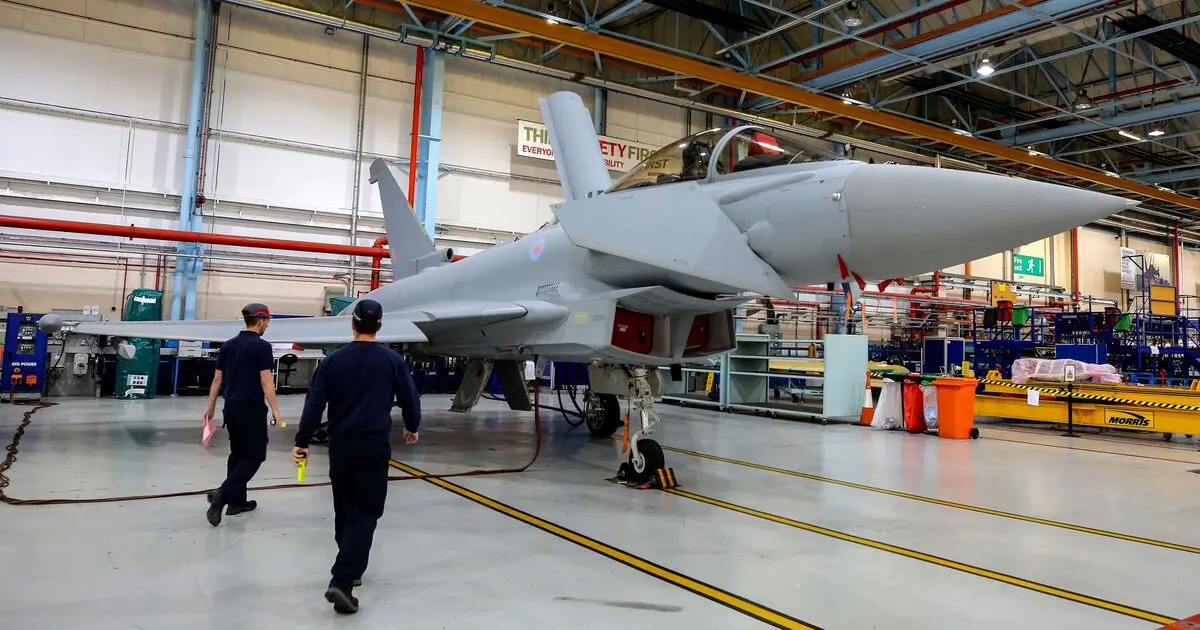
BAE Systems plans to cut up to 1,070 jobs in its head office and air sector, saying the changes are intended to improve efficiency and competitiveness. The announcement matters because it comes amid concerns from unions and opposition politicians that delays in UK defence spending are putting jobs and manufacturing at risk.
The company employs about 50,000 people in Britain and said the reductions will be voluntary, excluding shopfloor manufacturing, aircraft maintenance at RAF bases and early careers trainees. Unite’s general secretary called for government intervention, while the Ministry of Defence said it had agreed £4 billion in defence investments since July; it cited a £708 million BAE contract extension and a £8 billion Typhoon deal with Turkey that supports 6,000 jobs at two sites.
In short
- BAE Systems plans up to 1,070 voluntary job cuts.
- Manufacturing floor and RAF maintenance roles are excluded.
- The Ministry of Defence cites recent investment and contracts supporting jobs.
Steelman: both sides, in good faith
The strongest fair case each way — we don't pick a winner.
The case for
BAE Systems can argue that voluntary reductions in head-office and air-sector roles, while protecting shopfloor manufacturing and key maintenance work, are needed to improve efficiency and keep the company competitive. A financially sustainable defence supplier may be better placed to deliver contracts and support skilled jobs over the longer term.
The case against
Unions and critics can argue that cutting more than 1,000 jobs risks weakening expertise and confidence in UK defence manufacturing, particularly when uncertainty or delays in government spending already threaten the sector. They may say the government should provide clearer, steadier commitments so companies can plan investment and employment rather than relying on job losses to improve competitiveness.
Explained simply
BAE Systems is a major British defence company that makes military aircraft and other equipment for the UK and overseas customers. Its work includes the Typhoon fighter jet, built with international partners, and supporting aircraft used by the Royal Air Force.
The company employs about 50,000 people in Britain, so changes to its workforce can affect communities and suppliers as well as staff. Defence companies rely on government contracts, and the timing of public spending decisions can influence how much work they have and where it is based.
Unite is a trade union representing workers, while the Ministry of Defence oversees the UK’s armed forces and defence procurement. Their roles matter because decisions about contracts and investment can shape jobs, manufacturing and the country’s ability to supply military equipment.
Business Companies Economy UK World