Majority of Britons agree with Burnham that Brexit was ‘wrong turn’ for UK
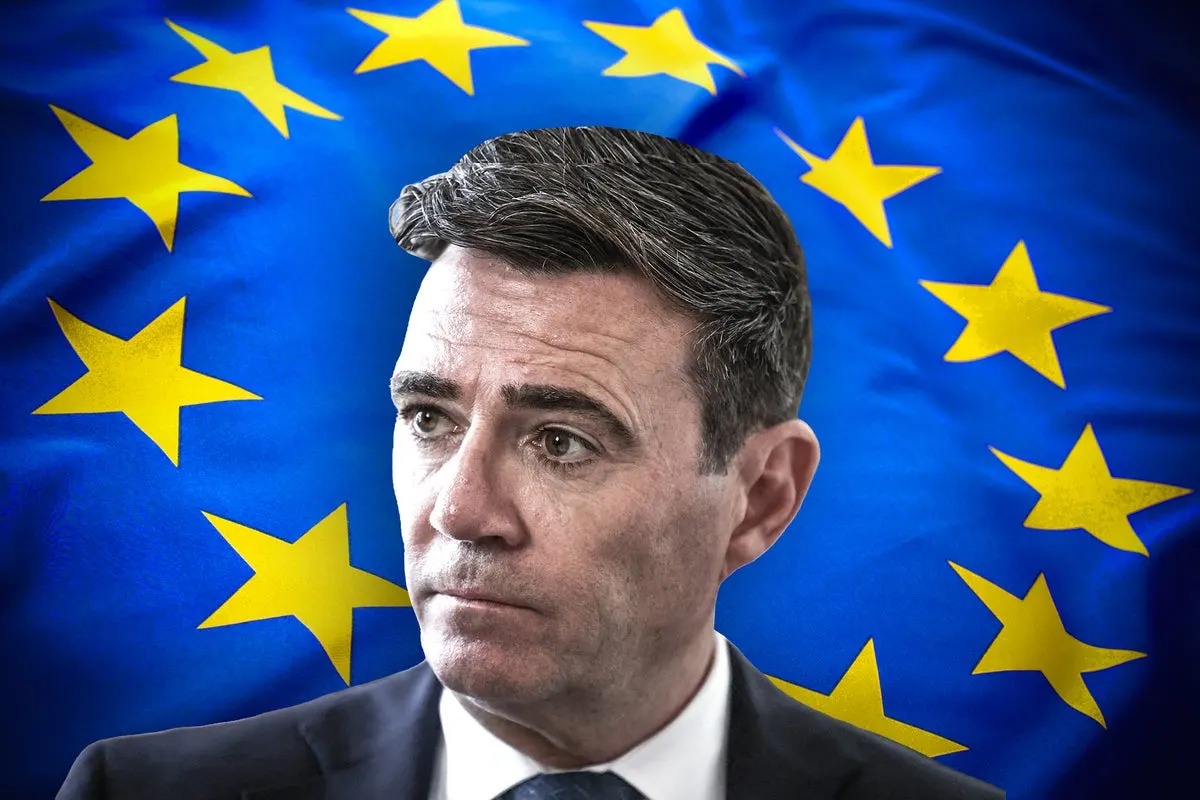
Prime Minister Andy Burnham used his first address to the House of Commons to argue that Brexit and the deindustrialisation, privatisation and austerity that followed the 1980s left large parts of the UK, outside London and the South East, worse off. New YouGov polling shows most Britons back his view on Brexit, with 55 per cent agreeing it was a "wrong turn" for the country against 21 per cent who disagree, though voters are far more divided on whether his criticism of Margaret Thatcher's legacy holds up.
Burnham told MPs that political and economic power had been centralised and privatised since the 1980s, blaming this "failed economic model" for hollowed-out councils, desolate high streets and a water industry he called "a leaking monument" to private-interest governance. On Brexit, 78 per cent of 2024 Labour voters agreed it was a wrong turn compared with 59 per cent of Reform voters who saw it as the right choice; on Thatcher, opinion split more evenly, with 35 per cent calling her premiership a wrong turn and 28 per cent a right one, while roughly 60 per cent of Conservative and Reform voters defended her legacy. His comments were welcomed by pro-EU campaigners, coming days after reports that Brexit has cost UK exporters £11.7bn a year and that 98.2 per cent of businesses surveyed want to rejoin the single market.
In short
- Burnham calls Brexit and 1980s policies "wrong turns" for the UK
- YouGov: 55% agree Brexit was wrong; views split on Thatcher's legacy
- Comments follow reports of £11.7bn annual export losses from Brexit
Steelman: both sides, in good faith
The strongest fair case each way — we don't pick a winner.
The case for
Those who agree with Burnham argue that Brexit has raised barriers to trade and weakened the UK economy, while decisions made since the 1980s have concentrated power and investment in London and the South East. They see the polling and reported export costs as evidence that these choices have left many communities worse off, and favour closer European ties and stronger public control of essential services.
The case against
Those who reject Burnham’s view argue that leaving the EU restored democratic control over laws, borders and trade policy, and that economic pressures on towns have several causes beyond Brexit. They may regard privatisation and austerity as distinct policy choices rather than an inevitable legacy of the 1980s, and argue that Thatcher’s reforms improved efficiency and expanded individual choice.
Explained simply
The UK voted to leave the European Union in a 2016 referendum and formally left in 2020. The decision remains divisive: supporters saw it as a way for the UK to regain control over its laws and borders, while critics have pointed to new barriers to trade and closer ties with Europe.
Andy Burnham is a senior Labour politician who has argued that economic and political power has become too concentrated in London and the South East. His criticism links Brexit to wider changes since the 1980s, including the decline of manufacturing, privatisation of public services and cuts to public spending.
The debate matters because it concerns the effects of those changes on jobs, local services and the economy, as well as how the UK should relate to Europe. Views differ across political groups, and opinions about Margaret Thatcher’s record are more divided than those about Brexit.