Politics news and discussion on TalkFuse.
Majority of Britons think Burnham is leading a country ‘going in wrong direction’
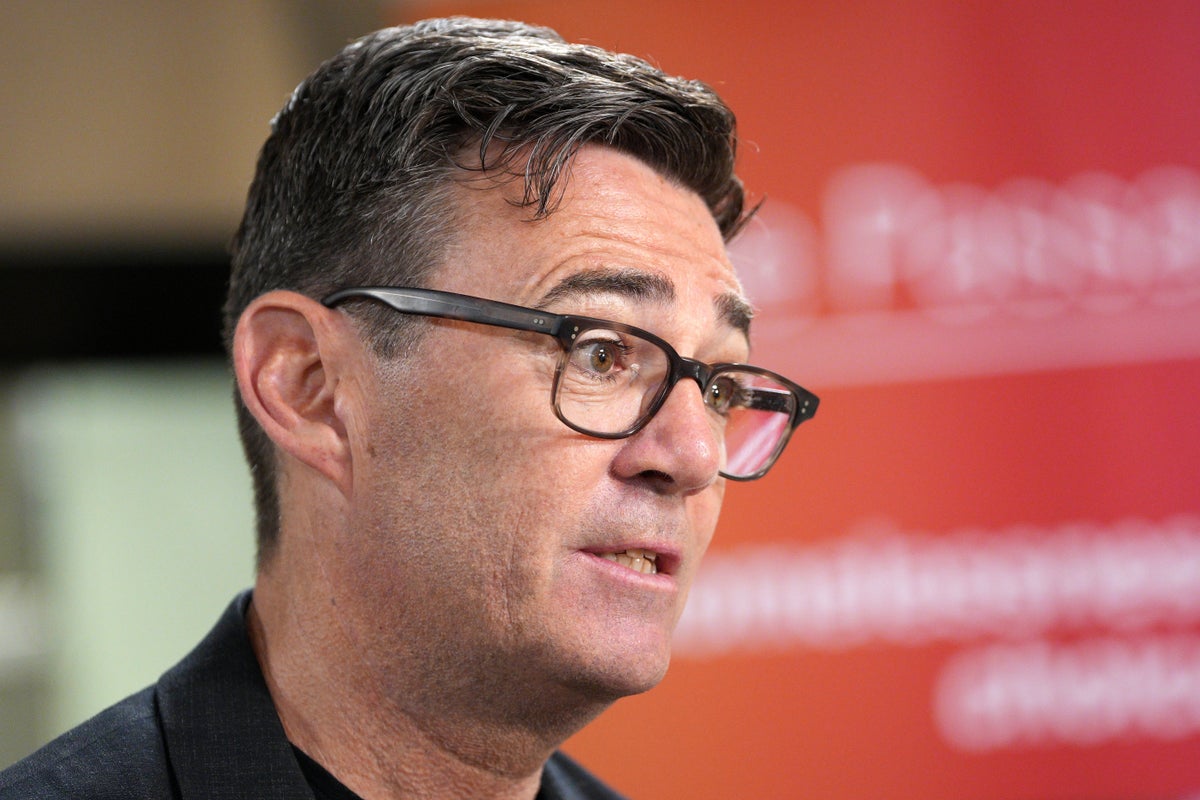
A new Ipsos poll shows widespread national pessimism as Andy Burnham takes office as Prime Minister, with 83 per cent of Britons saying the country is heading in the wrong direction and needs major change, up sharply from 55 per cent in 1989. The findings highlight the scale of the challenge facing Burnham, who has struck an optimistic tone since entering Downing Street, despite a public mood marked by falling trust in politicians, declining confidence in the NHS and growing dissatisfaction with living standards.
The Ipsos state-of-the-nation report found only 52 per cent of people are satisfied with their living standards, down from 72 per cent in 1988, while just a quarter rate British healthcare as "good quality", a steep fall from 70 per cent in 1986. Trust in politicians and belief in social mobility have also declined significantly since the late 1980s. In response, Burnham has pledged to run a "cost of living government" and announced an £850 million cut to household electricity bills, taking effect from 1 October, as his first major policy move; Ipsos's Gideon Skinner said tangible improvements, not just optimistic messaging, will be needed to rebuild public trust.
In short
- 83% of Britons think the UK is heading the wrong way.
- Burnham cuts electricity bills by £850m as first policy.
- Public trust in politicians and NHS confidence have fallen sharply.
Steelman: both sides, in good faith
The strongest fair case each way — we don't pick a winner.
The case for
The pessimism, whilst significant, reflects accumulated frustrations with previous governments rather than judgment of Burnham's leadership specifically. His immediate £850 million cost-of-living measure demonstrates commitment to tangible action rather than messaging alone, and new governments with concrete policies can shift public opinion through delivering visible improvements in living standards. Public sentiment has been shaped by years of decline, but fresh leadership offers genuine opportunity to reverse this trajectory through competent delivery.
The case against
An 83 per cent pessimism rating represents an unprecedented crisis of confidence, with trust in politicians eroded significantly and multiple sectors—the NHS, living standards, social mobility—all showing long-term structural decline. Whilst the £850 million electricity subsidy is welcome, it is modest relative to the scale of problems facing the country. Rebuilding trust after such steep declines will require extraordinary improvements in conditions, not merely policy announcements, and the historical trend suggests these problems run far deeper than any single government's early actions can address.
Explained simply
Andy Burnham is the UK prime minister, and his government faces public concerns about living standards, the NHS and trust in politicians. Polls have tracked these views over several decades, allowing researchers to compare today’s mood with that of the late 1980s.
Ipsos is a polling organisation that surveys people’s views on public issues. Its findings matter because public confidence can shape how people judge a government and whether they believe it can improve everyday life.
Government Politics Research Science