Politics news and discussion on TalkFuse.
Malaysia’s AG warned Najib’s house arrest could affect political stability, country’s image: Pardons Board minutes
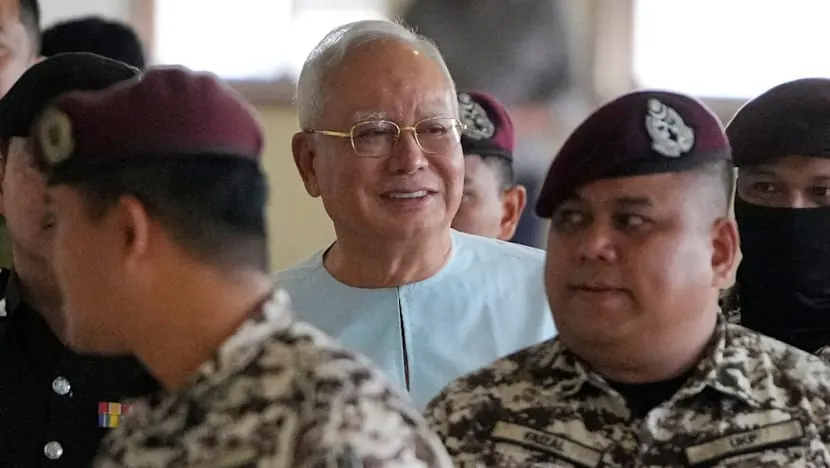
Purportedly declassified minutes of Malaysia’s Pardons Board show that Attorney-General Dusuki Mokhtar warned that allowing former prime minister Najib Razak to serve his sentence under house arrest could harm political stability, the country’s international image, investment and the economy. The account matters because it records senior officials’ objections to the arrangement at the centre of a legal challenge.
At the 45-minute meeting on 18 September, Dusuki argued there was no legal basis for house arrest and that Najib should remain in prison. Federal Territories Minister Hannah Yeoh and former police chief Razarudin Husain also opposed the move, while former judge Harmindar Singh Dhaliwal said the king’s constitutional powers could permit it; the king ordered Yeoh to sign the conditional pardon order. The minutes reportedly surfaced in response to the Bar Council’s court challenge, and officials have been contacted to verify their legitimacy. Najib has been in prison since 2022; his original 12-year sentence was halved to six years in 2024, and his fine reduced from RM210 million to RM50 million.
In short
- The attorney-general warned house arrest could affect Malaysia’s stability and economy.
- Pardons Board members were divided over the legal basis for the move.
- Najib’s six-year sentence followed a 2024 reduction from 12 years.
Steelman: both sides, in good faith
The strongest fair case each way — we don't pick a winner.
The case for
Supporters of house arrest could argue that the King’s constitutional clemency powers allow him to set conditions on a pardon, and that a less restrictive sentence may be justified on compassionate or other grounds. They may also see transparent, lawful use of those powers as consistent with the constitutional order, rather than inherently damaging to the country’s standing.
The case against
Opponents could argue that house arrest lacks a clear legal basis and risks weakening consistent application of criminal sentences, especially in a high-profile case involving a former prime minister. They may also contend that perceived political favouritism could undermine public confidence, unsettle political institutions and harm Malaysia’s international reputation or investment climate.
Explained simply
Najib Razak is a former prime minister of Malaysia who has been in prison since 2022. He was convicted in a corruption case, and in 2024 Malaysia’s Pardons Board reduced his 12-year sentence to six years and cut his fine.
The Pardons Board advises the king on clemency, including changes to sentences. The reported minutes concern whether Najib could serve the rest of his sentence under house arrest, a proposal on which senior officials were said to disagree.
The issue matters because it involves the limits of the king’s powers and how government decisions are made. It has also drawn attention to possible effects on Malaysia’s political stability, reputation and economy.