Politics news and discussion on TalkFuse.
Mamdani Announces Closure Of Rikers Island Jail Holding More Than 6,000 Prisoners
Developing story first seen 11 hours ago
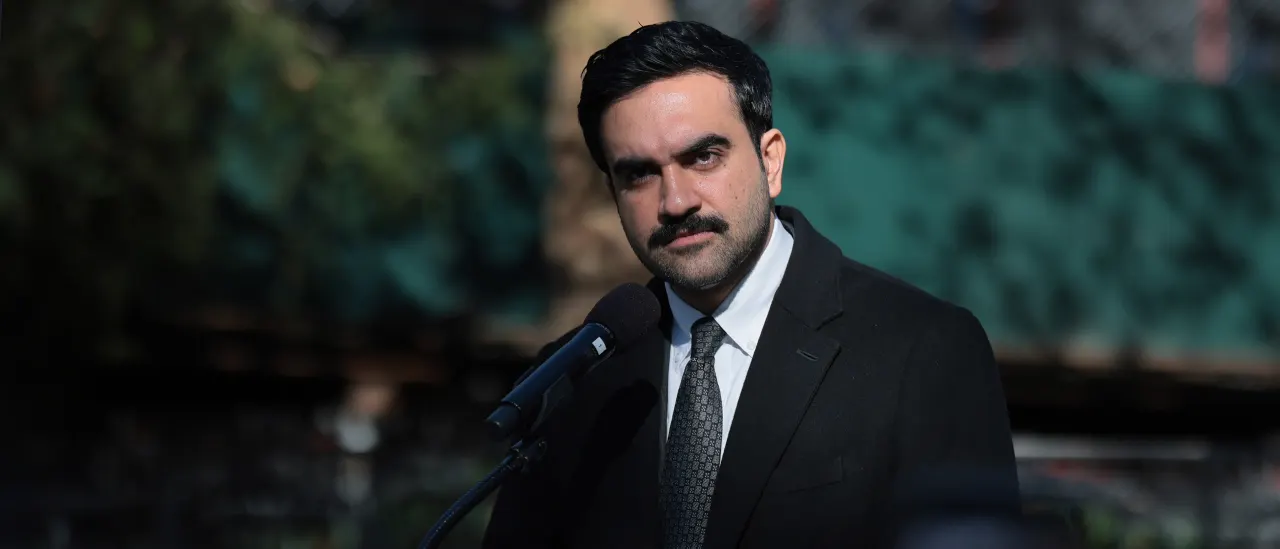
The new timetable would close Rikers Island by the end of 2032, five years later than the date set by law, which required it to shut by August 2027. Mayor Zohran Mamdani says the delay will allow New York City to open replacement jails in the boroughs and reduce the number of people held in the city’s jails.
Rikers, a 413-acre complex in the East River that is more than 90 years old, currently holds over 6,600 people. The city aims to reduce its jail population to about 4,500 from 2029, with facilities planned for Brooklyn in 2029, the Bronx and Queens in 2031, and Manhattan in 2032. The revised deadlines need City Council approval; the plan also includes hundreds of therapeutic beds and moving people with serious mental health or medical needs from jails to hospitals.
- Sources
- 2
- Outlets
- 2
- Left · Centre · Right
- 0 · 1 · 1
In short
- Rikers closure is delayed to the end of 2032.
- The city aims to reduce its jail population to about 4,500.
- Borough jails and therapeutic beds are part of the plan.
How this story developed
- 2 hours ago The new timetable would close Rikers Island by the end of 2032, five years later than the date set by law, which required it to shut by August 2027.
- 5 hours ago New York Mayor Zohran Mamdani says Rikers Island jail will close by the end of 2032, five years later than the date previously required by law.
Full account
New York City Mayor Zohran Mamdani has announced a plan to close the Rikers Island jail complex by the end of 2032, extending the deadline set in law by five years. The sprawling, 413-acre site in the East River currently holds more than 6,000 people, according to the reports. The revised timetable needs approval from the New York City Council.
The proposal includes four jails in the city’s boroughs, intended to open in stages from 2029 to 2032, and a reduction in the number of people held in city jails. Mamdani has described the aim as housing thousands fewer people and moving those with serious medical or mental health needs from jail to hospital. He also says locating facilities nearer public transport would make it easier for families and legal representatives to visit and reach court.
Rikers has faced longstanding criticism over deteriorating buildings, staffing problems, violence and deaths in custody. Mamdani’s administration has characterised its closure as an opportunity to change how detention works, rather than simply replace the existing complex. The city’s correction officers’ union has challenged the proposed population limit, arguing that it could put public and staff safety at risk if it leads to the release of people charged with violent felonies. A city official appointed to oversee the closure has instead presented a lower jail population as achievable.
The deadline has shifted repeatedly since the City Council voted in 2019 to close Rikers. The reports attribute delays to practical difficulties finding locations for replacement jails and, in Mamdani’s account, to setbacks during Eric Adams’s mayoralty and the Covid pandemic. They also note that a federal judge removed the complex from the city’s control last year and appointed an independent official to oversee it. The latest announcement therefore sets out a new target, but its delivery depends on council approval and the construction of the replacement facilities.
Where outlets differ
From the full account, which is AI-written from the sources:
The reports give different targets for the future jail population: one says about 4,500, while the other says 4,100. They also differ on the current count, putting it at more than 6,600 versus more than 6,500.
The first report foregrounds the announcement video, the commissioner’s personal history at Rikers and violence experienced by staff. The second focuses more on the closure plan’s history, the union’s objections, the appointed closure official’s assessment and the complex’s federal oversight.
The first report describes the replacement jails as opening in Brooklyn in 2029, the Bronx and Queens in 2031, and Manhattan in 2032. The second confirms four new jails but does not specify their locations or opening sequence in the supplied text.
Centre outlets 1
Only here: plan, close, york
Right-leaning outlets 1
Only here: closure, holding, prisoners
Every side used: mamdani, announces, rikers, island, jail
Headline columns compared word for word; nothing in them is AI-written.
Steelman: both sides, in good faith
The strongest fair case each way — we don't pick a winner.
The case for
Closing Rikers and replacing it with smaller borough facilities could address the risks of an ageing, troubled jail complex while bringing people closer to courts, families and local services. A phased timetable, paired with plans to reduce the jail population and provide therapeutic beds or hospital care, may make the transition more practical and humane.
The case against
Extending the deadline to 2032 delays a closure previously required by law and leaves thousands of people in Rikers for longer, despite its serious problems. The borough facilities and population reductions may be difficult to deliver on schedule, while shifting jails into neighbourhoods could impose new burdens on nearby communities; supporters of the legal timetable may argue the city should meet it rather than revise it.
Explained simply
Rikers Island is New York City’s main jail complex, where people are held before trial or while serving short sentences. It sits in the East River and has been in use for more than 90 years.
New York law set a deadline for closing Rikers and replacing it with smaller jails in the city’s boroughs. The plan depends both on building those facilities and on reducing the number of people held in city jails.
The changes matter because thousands of people are held at Rikers, and the site’s age and conditions have drawn long-running scrutiny. The proposed timetable and replacement facilities require approval from the City Council.
Coverage · 2 sources
Bias meters
From 2 rated sources.