Mamdani, City Council move to end iconic NYC horse-drawn carriage industry as workers face uncertain future
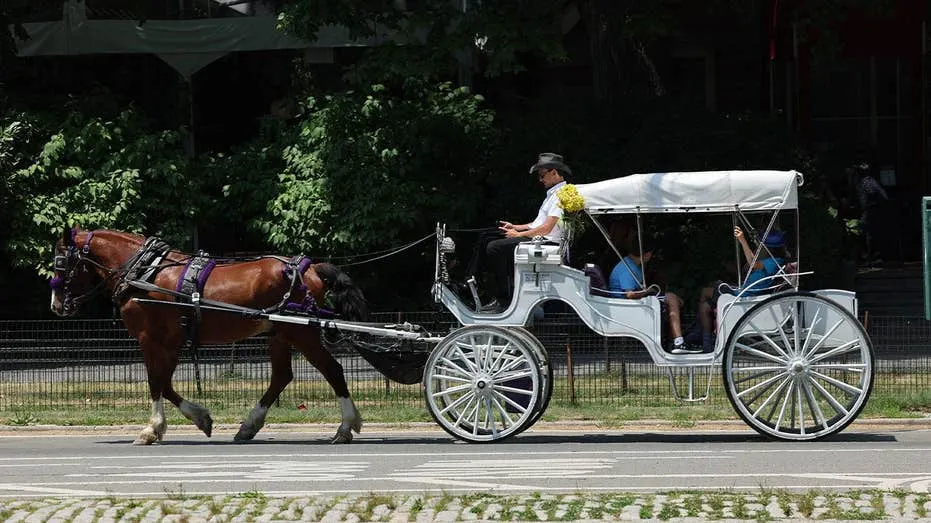
Mayor Zohran Mamdani and City Council Speaker Julie Menin have agreed to support legislation that would end New York City’s horse-drawn carriage industry from 1 June 2028. The proposal, which still requires a City Council vote on 22 October, would end a long-standing Central Park attraction amid concerns about animal welfare and public safety.
Romanch’s Law is named after 18-year-old Romanch Mahajan, who died after a carriage crash in June. City agencies would have until 1 April 2027 to plan job placement, training and counselling for workers, and consider help for owners and retired horses, but compensation is not guaranteed. Animal welfare advocates and the Central Park Conservancy welcomed the move, while the Transport Workers Union criticised the lack of meaningful financial protection for workers and owners.
- NYC may ban horse-drawn carriages from June 2028.
- The proposal follows a fatal carriage crash and safety concerns.
- Workers’ transition support is planned, but compensation is not assured.
New here? Start with this
New York City’s horse-drawn carriages have long taken visitors around Central Park, making them a familiar part of the city’s tourist trade. The industry involves carriage drivers, stable workers and owners, as well as the horses.
Debate over the carriages has centred on animal welfare and safety, including a fatal crash in June that killed 18-year-old Romanch Mahajan. Animal welfare groups and the Central Park Conservancy have supported ending the industry, while the Transport Workers Union has raised concerns about the livelihoods of workers and owners.
The proposed law is named Romanch’s Law. Its significance is that it would end a long-standing attraction while requiring city agencies to plan support such as job training and counselling, though financial compensation is not guaranteed.
Both sides, in good faith
The strongest fair case each way — we don't pick a winner.
The case for
Ending the carriage trade could reduce risks to horses and the public, concerns sharpened by the fatal crash that prompted the proposal. Supporters may also argue that a city attraction should not continue if its animal welfare costs cannot be reliably managed, and that a transition period gives agencies time to plan for affected workers and horses.
The case against
Keeping the trade, subject to strong safety and welfare rules, would preserve a distinctive Central Park tradition and the livelihoods built around it. Critics can reasonably argue that the proposal offers workers and owners too little financial protection, and that the city should first pursue reforms and provide firm support for those who would lose their work.