Business news and discussion on TalkFuse.
Mamdani doubles down on democratic socialism while insisting Wall Street, business leaders can work with him
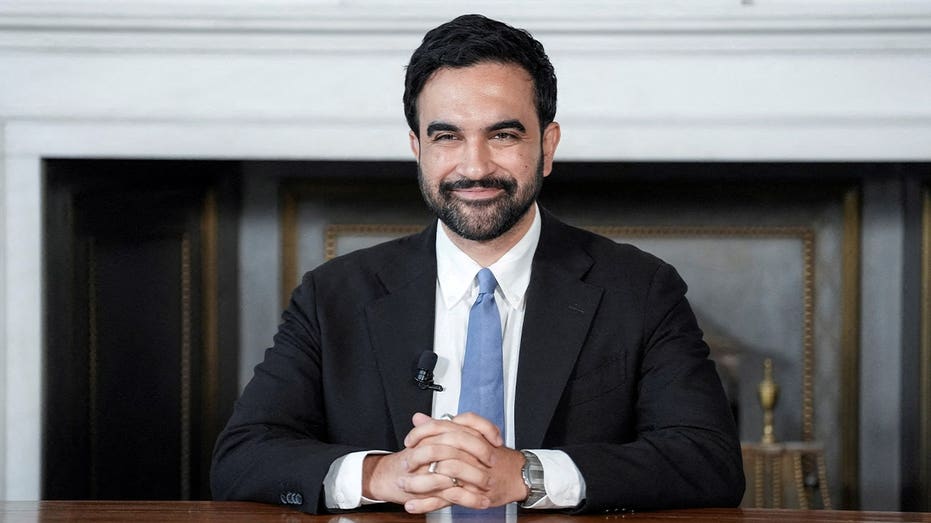
New York City Mayor Zohran Mamdani, embracing his Democratic Socialist identity, contends the movement represents a revival of the Democratic Party's New Deal tradition and maintains that democratic socialists can achieve electoral success across the country. Rather than viewing his economic platform as fundamentally opposed to business interests, Mamdani asserts that Wall Street and corporate leadership should see his agenda as compatible with their own concerns.
Mamdani has been confronted with questions about the Democratic Party's positions on Israel and the wider ideological tensions between progressive and traditional Democratic approaches. His public statements suggest an effort to reconcile his socialist convictions with mainstream American political institutions, whilst simultaneously defending his preferred candidates and positioning democratic socialism as a viable national political movement.
In short
- Democratic Socialist NYC Mayor Mamdani argues his ideology can win nationwide
- He contends Wall Street has nothing to fear from his policy positions
- Mamdani addresses Democratic Party divisions on Israel and progressive economics
Steelman: both sides, in good faith
The strongest fair case each way — we don't pick a winner.
The case for
Supporters argue that Mamdani's brand of democratic socialism is squarely within an American tradition of using public power to temper markets, echoing New Deal-era programmes like Social Security and financial regulation that ultimately stabilised capitalism rather than destroying it. They contend that pledges such as rent stabilisation, free buses and higher taxes on the very wealthy address genuine affordability crises without abolishing private enterprise, so a mayor can credibly tell business leaders they have nothing to fear so long as they pay fairer wages and taxes. For them, reassuring Wall Street is not a contradiction but evidence of pragmatic governance that seeks broad buy-in rather than needless confrontation.
The case against
Critics, including many in the business and finance community, argue that democratic socialism's core aims, such as substantially higher taxes, stronger tenant protections and an expanded municipal role in housing, are inherently at odds with the profit incentives and regulatory predictability that firms rely on, making assurances of compatibility hard to trust. They point out that New Deal comparisons understate how much further some of Mamdani's proposals go, and that even the perception of hostility to capital can prompt firms and wealthy residents to relocate, eroding the tax base a city depends on. For them, telling business it has nothing to fear rings as political reassurance rather than a genuine change in policy direction.
Explained simply
Zohran Mamdani is New York City's mayor and identifies as a democratic socialist. He is promoting democratic socialism as a viable political movement within the Democratic Party whilst attempting to demonstrate compatibility with mainstream institutions and business interests.
Democratic socialism, in Mamdani's conception, harks back to the Democratic Party's New Deal era when government played a more active role in the economy. The term remains contested within American politics, with differing views on how much government should intervene in economic affairs.
Mamdani's attempt to bridge democratic socialism with mainstream politics illustrates ongoing tensions within the Democratic Party about its ideological identity. These tensions reflect fundamental disagreements about the proper balance between government intervention in the economy, international policy priorities, and which direction the party should pursue.