World news and discussion on TalkFuse.
Mamdani just declared himself as another grubby, grasping pol
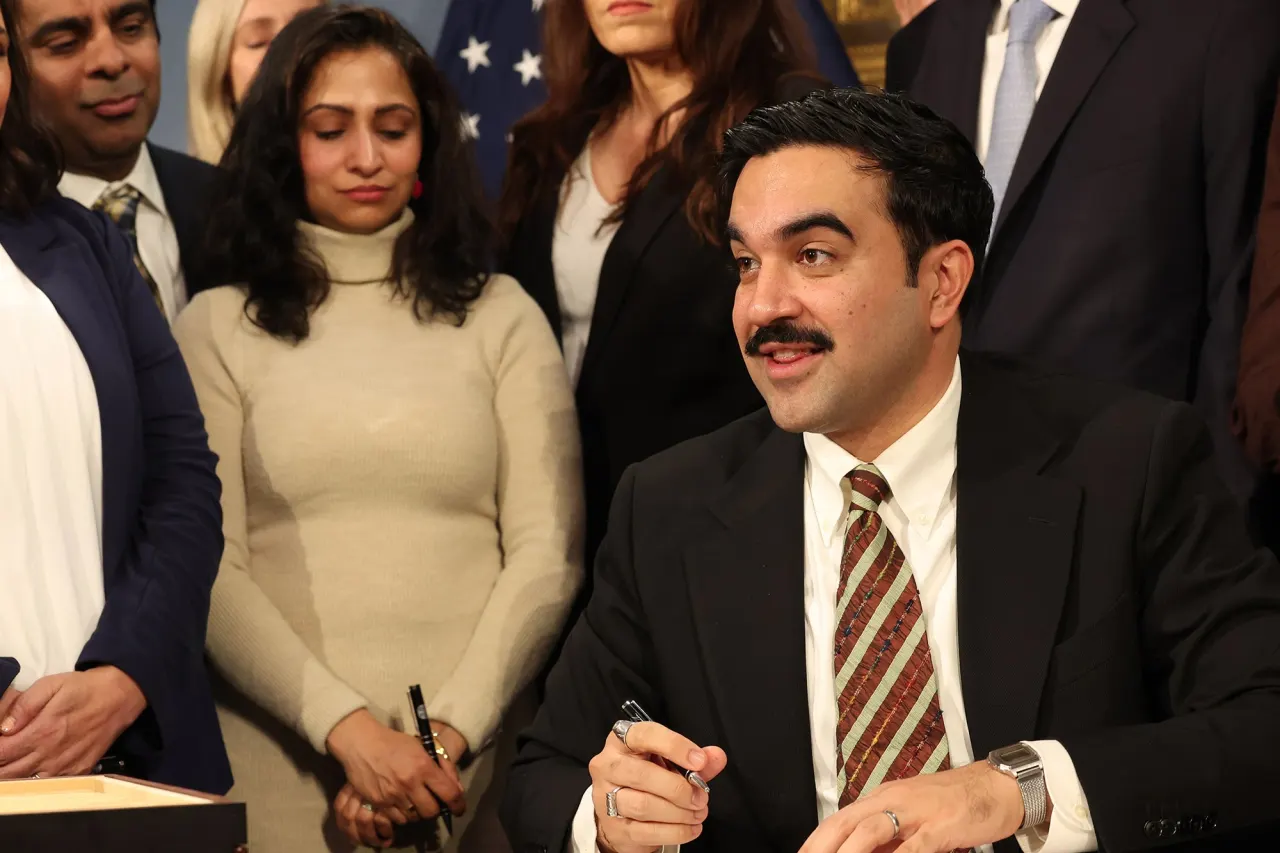
New York Mayor Zohran Mamdani signed a law banning horse-drawn carriages in Central Park, a move the opinion article portrays as a political misstep that aligns him with a long-running campaign by animal-rights advocates. The decision matters because it will end a city-regulated trade and leaves the mayor responsible for addressing the livelihoods and investments affected.
The article says the ban follows the June death of 18-year-old Romanch Mahajan in a carriage incident, which it describes as the only such incident in more than a century. It notes that more than 200 drivers and 50 stable workers could lose their jobs, while owners of 68 carriage medallions may seek compensation; workers and owners are also suing, arguing the law violates property and contract rights. The supplied article ends mid-sentence, so its full conclusion is unavailable.
In short
- Mamdani signed a ban on Central Park horse carriages.
- More than 200 drivers and 50 stable workers may be affected.
- Medallion owners are suing over the loss of their investments.
Steelman: both sides, in good faith
The strongest fair case each way — we don't pick a winner.
The case for
Supporters can argue that banning horse-drawn carriages protects animals from urban traffic, strenuous work and preventable injury, and that the fatal incident has renewed attention to those risks. They may also see the change as a chance to replace a tradition with safer, more humane ways for visitors to experience Central Park.
The case against
Opponents can argue that a ban imposes serious costs on drivers, stable workers and medallion owners, many of whom depend on a regulated trade and have invested in it. They may contend that the reported rarity of fatal incidents supports improving safety rules rather than ending the industry, and that the city should respect legal rights and provide fair treatment for those affected.