World news and discussion on TalkFuse.
Mamdani officially bans horse carriages, ending century-old Central Park tradition
Developed over time first seen 2 days ago
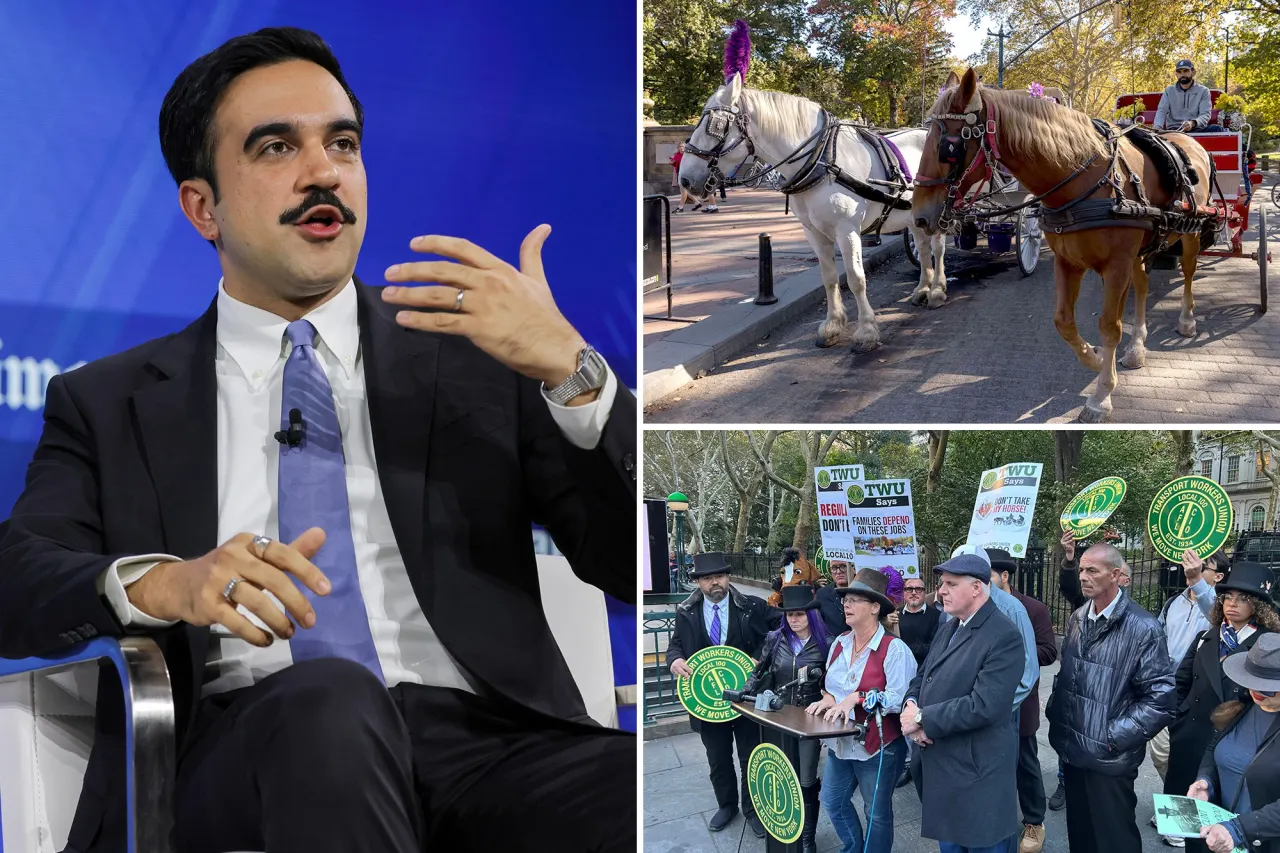
Mayor Zohran Mamdani has signed a law banning horse-drawn carriages in New York City, bringing a century-old Central Park tradition to an end by 1 June 2028. The change follows the death of 18-year-old tourist Romanch Mahajan in a carriage incident and has prompted a lawsuit from the union representing carriage workers.
The law covers an industry of more than 200 workers, and the city says it plans to offer medallion buybacks, training support and career counselling. Details of the assistance are still being developed, with a full plan due next April. The Transportation Workers Union argues the ban unfairly targets the whole industry and challenges the removal of medallions without guaranteed compensation.
- Sources
- 2
- Outlets
- 2
- Left · Centre · Right
- 1 · 0 · 1
In short
- New York will phase out horse carriages by June 2028.
- The law honours tourist Romanch Mahajan, who died in a carriage incident.
- The workers’ union has filed a class-action lawsuit.
How this story developed
- 1 day ago Mayor Zohran Mamdani has signed a New York City law banning horse-drawn carriages, formally setting an end date for a Central Park tradition that has lasted about a century.
- 1 day ago New York City Mayor Zohran Mamdani has signed a law banning horse-drawn carriages, ending a Central Park tradition that has lasted about a century.
- 1 day ago Mayor Zohran Mamdani has signed a law banning horse-drawn carriages in New York City, bringing a century-old Central Park tradition to an end by 1 June 2028.
Where outlets differ
Left-leaning outlets 1
Only here: signs, bill, drawn, york, city
Right-leaning outlets 1
Only here: officially, bans, ending, century, central
Every side used: mamdani, horse, carriages
Headline columns compared word for word; nothing in them is AI-written.
Steelman: both sides, in good faith
The strongest fair case each way — we don't pick a winner.
The case for
Supporters argue that banning the carriages would reduce risks to horses, passengers and other road users, and that a fatal incident has underscored the need to act. They may also see the transition period and promised buy-backs, training and career assistance as a way to end a tradition while helping workers move into other livelihoods.
The case against
Opponents argue that a century-old part of Central Park’s character should not be ended without a clearly costed transition plan, especially when more than 200 workers and their livelihoods are affected. They may contend that stronger safety rules or other reforms could address concerns while preserving the trade, and that workers should have a fair chance to challenge the ban and secure adequate support.
Explained simply
Horse-drawn carriages have carried visitors through Central Park, a large public park in Manhattan, since the late 19th century. The rides are run by drivers and supported by stable workers, while the carriages and their licences are part of a wider horse-carriage trade in New York.
The issue has involved city officials, people who work in the trade, animal-welfare campaigners and visitors. Supporters of ending carriage rides have raised concerns about horses’ treatment and safety; workers and unions have argued that the trade provides livelihoods and should not be ended without support for those affected.
The debate matters because Central Park is one of New York’s best-known public spaces, and the carriage trade is a longstanding part of its visitor experience. Changes to it affect both how people use the park and the jobs and businesses connected with the rides.
Coverage · 2 sources
Bias meters
From 2 rated sources.