Politics news and discussion on TalkFuse.
Mamdani Scraps NYPD Protest Unit, Here’s How Similar Moves Fueled BLM And Antifa Takeovers In Other Blue Cities
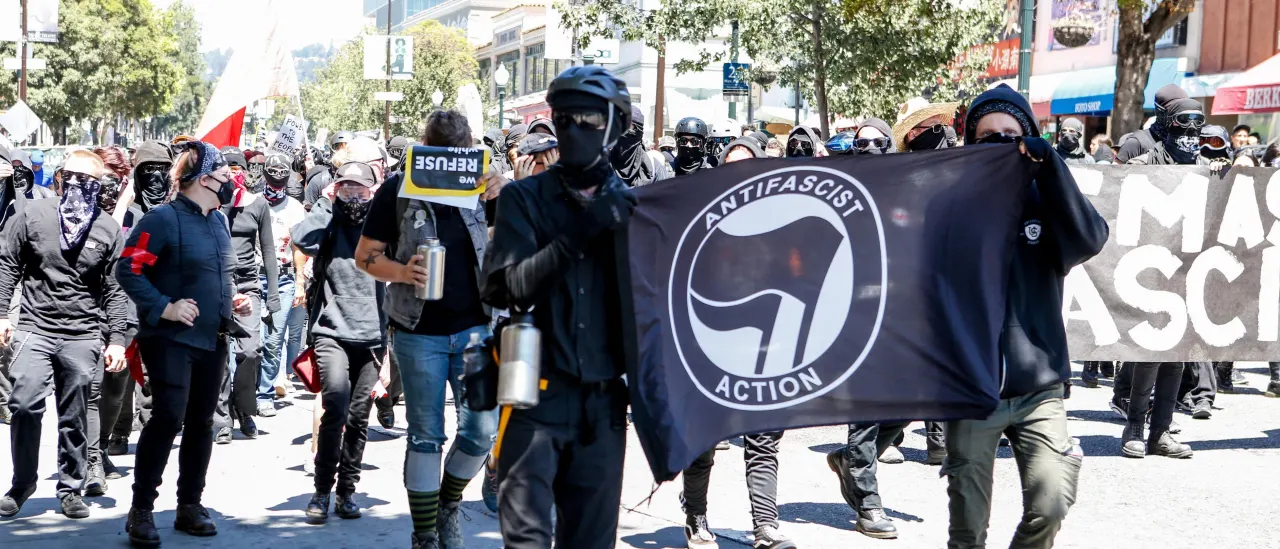
New York Mayor Zohran Mamdani says the NYPD’s Strategic Response Group will no longer handle protests, fulfilling a campaign promise. His administration plans to create a civilian-led de-escalation division and a police First Amendment Support Team, a change that supporters say will protect public safety and protesters’ rights.
The article compares the decision with protest response changes in Portland and Seattle during and after 2020 demonstrations, arguing that police capacity was later strained. It says Portland reinstated a 50-member public order unit in 2024 and approved a 6 per cent pay rise; reported damage included $1.6 million to a federal courthouse and $4.8 million from looting, fires and graffiti. The supplied article text ends part-way through its account of Seattle, and its claims about the effects of these policies are presented alongside criticism from journalist Andy Ngo.
In short
- Mamdani is moving protest response away from the NYPD’s Strategic Response Group.
- New teams are planned for de-escalation and First Amendment support.
- Portland reinstated a 50-member public order unit in 2024.
Steelman: both sides, in good faith
The strongest fair case each way — we don't pick a winner.
The case for
Ending the Strategic Response Group’s role in protests could reduce the risk that a specialised, heavily equipped unit escalates confrontations, while a civilian de-escalation division and First Amendment Support Team may better protect lawful assembly and public safety. Supporters can argue that Portland and Seattle’s experiences do not show that this change caused later disorder, and that protest policing should be judged by whether it manages events proportionately while preserving trust and civil liberties.
The case against
Critics can argue that large demonstrations can turn volatile quickly, so removing a dedicated police unit from protest response may leave officers less prepared to contain violence, protect people and property, or respond to simultaneous emergencies. They may point to Portland’s later reinstatement of a public order unit and the reported damage as reasons to retain specialised capacity, while recognising that these examples alone do not establish that the policy change caused the harms.
Explained simply
The Strategic Response Group is a New York Police Department unit that has handled protests and other large events. Mayor Zohran Mamdani has said his administration will instead use a civilian-led team focused on de-escalation, alongside a police team to support people’s right to protest.
The debate concerns how police can protect public safety while allowing demonstrations to take place. Supporters of the proposed change say it could better protect protesters’ rights; critics question whether police will have enough capacity to respond when protests become disorderly.
The article draws comparisons with Portland and Seattle, where officials changed protest policing around the 2020 demonstrations. Those cities’ later experiences are contested, and the article’s account includes criticism from journalist Andy Ngo, so the comparisons do not by themselves establish what effects similar changes would have in New York.