Mamdani’s city grocery plan could leave taxpayers paying for every banana
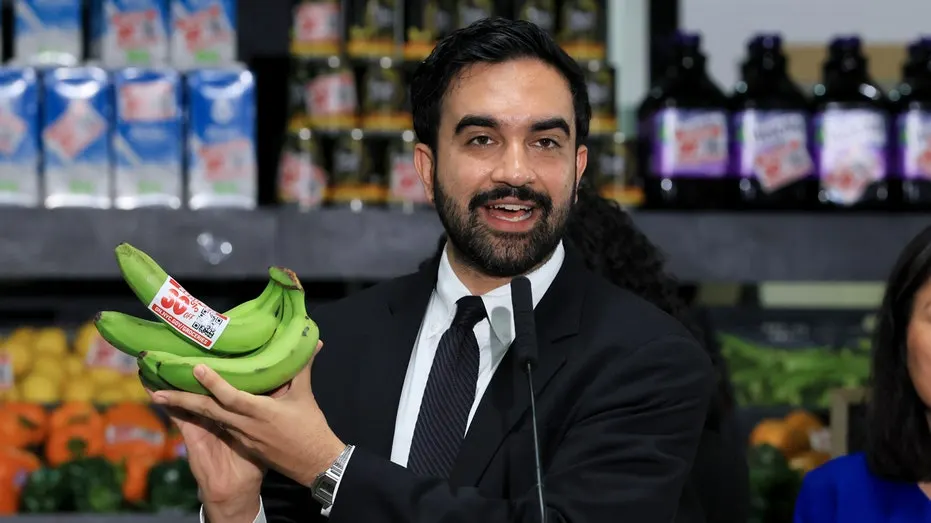
A Fox News opinion piece criticises New York City Mayor Zohran Mamdani's proposal to open city-run grocery stores offering "essential" products at 30% discounts, arguing the plan could ultimately cost taxpayers heavily. The author warns that grocery retail typically operates on profit margins of around 2%, making it hard to sustain a 30% discount without significant public subsidy, and questions whether city government is capable of managing such stores efficiently, drawing comparisons to the New York transit authority's history of cost overruns.
The plan was announced at a press conference on 27 July, with Mamdani pledging discounted essential goods at the new municipal stores. The piece also cites a local bodega owner in East Harlem, Ibrahim Alqushi, who objects to a city-run store opening near his shop, arguing it would harm existing small businesses. The article is framed as opinion commentary and is strongly critical of the scheme, likening it to failed socialist economic models.
In short
- Mamdani plans city-run grocery stores with 30% discounts on essentials.
- Critics say slim industry margins make the discount unsustainable without subsidy.
- Local bodega owners fear unfair competition from government-run stores.
Steelman: both sides, in good faith
The strongest fair case each way — we don't pick a winner.
The case for
The plan addresses a genuine public health crisis in communities suffering from food insecurity and limited access to affordable groceries, particularly in neighbourhoods abandoned by private retailers. Supporters argue that essential services warrant public investment akin to libraries or public transport, that municipal stores could leverage economies of scale for better supplier negotiations, and that reducing malnutrition and supporting economic resilience in underserved areas justifies measured public subsidy alongside local employment creation. They contend that waiting for market solutions has failed these communities and that strategic government intervention represents a legitimate, necessary response.
The case against
The proposal raises serious concerns about long-term fiscal sustainability and government effectiveness. With grocery retail operating on approximately 2% profit margins, a 30% discount would require substantial ongoing public subsidy, potentially creating an indefinitely expensive burden on taxpayers. Critics point to historical cost overruns and inefficiencies at agencies like the MTA, questioning whether the city could avoid similar management problems, whilst city-subsidised stores would directly undercut independent bodegas and small retailers that have long served these communities, risking displacement of local businesses and damage to local economies.
Explained simply
Zohran Mamdani is New York City’s mayor. He has proposed opening grocery shops run by the city that would sell essential goods at lower prices. The proposal concerns how the city might make food more affordable and who would pay to run the shops.
Grocery shops often make only a small profit on each sale, so keeping prices well below typical levels could require public money. City-run shops could also compete with neighbourhood businesses such as bodegas, small local shops that sell food and everyday goods.
The debate raises questions about the role of local government in providing everyday services and the possible effects on public budgets and existing shops. The criticism described here comes from an opinion piece, rather than a neutral report.