Man accused of threatening to hijack United flight says it was a drunken joke
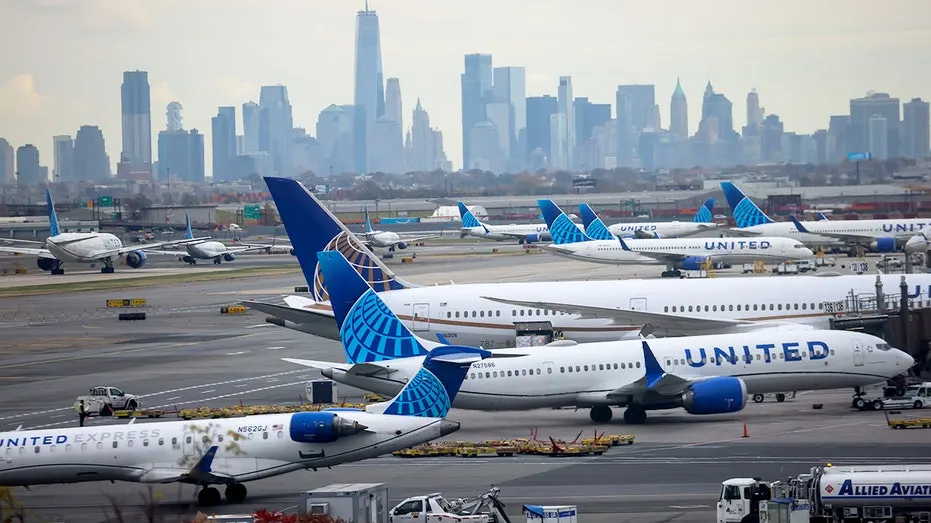
A New Jersey man accused of threatening by text to hijack a United Airlines flight says he had been drinking and intended the message as poorly worded banter with a coworker. The crew returned the plane to Las Vegas after a flight attendant saw the message, prompting a security response.
Dante Milne, 25, was travelling on a Boeing 737 with 150 passengers and six crew members from Las Vegas to Newark. He told investigators he had consumed a beer and several shots before boarding, denied intending to take control of the aircraft and apologised. Charged with making threats or conveying false information concerning terrorism, he was released on $10,000 bail and intends to plead not guilty; he is due back in court on 5 January.
In short
- A text threat prompted a United flight to return to Las Vegas.
- Milne says it was drunken banter and denies intending a hijacking.
- He faces a terrorism-related charge and is due in court on 5 January.
Steelman: both sides, in good faith
The strongest fair case each way — we don't pick a winner.
The case for
A reasonable case for treating the message as a serious threat is that references to hijacking on a passenger flight can require an immediate response, because crew and authorities cannot safely assume they are a joke. Turning the aircraft back and investigating prioritised the safety of passengers and crew, while accountability may deter similarly alarming messages.
The case against
A reasonable case for Milne is that, as he says, the text was drunken, poorly worded banter rather than a genuine plan, and he denied intending to take control of the aircraft and apologised. If the evidence supports that account, criminal punishment for a reckless joke could be disproportionate; his not guilty plea leaves that question for the court to assess.
Explained simply
Airlines and law enforcement treat threats to hijack an aircraft as serious because they can put passengers and crew at risk and trigger an emergency response. A message can prompt action even if its sender later says it was not meant literally.
United Airlines is a major US airline, and its flights carry passengers between cities across the country. Flight crews are trained to report potential security threats, while police and prosecutors investigate whether a reported threat breaks the law.
In the United States, making a threat or giving false information about terrorism can lead to criminal charges. A person charged with an offence is presumed innocent unless proved guilty in court.