Man claims he went blind after taking Ozempic, shares warning for other users
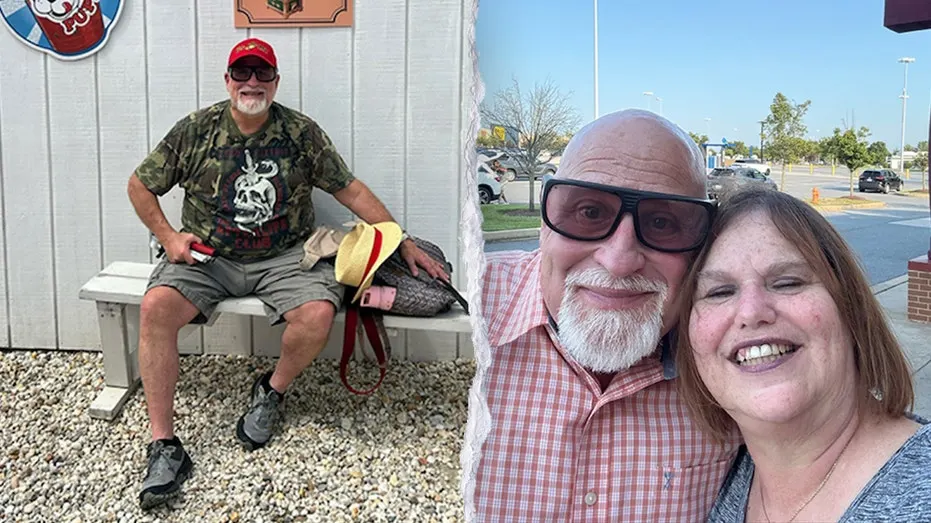
Todd Engel, 63, says he lost vision in both eyes after taking Ozempic for type 2 diabetes and was diagnosed with NAION, a condition that damages the optic nerve. He has sued the drug’s maker, alleging it failed to warn patients and doctors about a possible risk; a causal link has not been established.
Engel noticed sudden blindness in his right eye about four months after starting the drug in 2023, then lost vision in his left eye around ten months later. He says doctors could not restore his sight, which ended his work as a heavy equipment operator and truck driver. He continued taking Ozempic after the first diagnosis because he and his doctors were unaware of a possible association.
- A Maryland man says Ozempic preceded vision loss in both eyes.
- He was diagnosed with NAION, which can cause permanent sight loss.
- His lawsuit alleges the manufacturer did not provide adequate warnings.
New here? Start with this
Ozempic is a prescription medicine used to treat type 2 diabetes. It contains semaglutide, which helps control blood sugar; doctors may also prescribe it to reduce the risk of certain health problems linked to diabetes.
NAION is a rare condition in which reduced blood flow damages the optic nerve, which carries visual signals from the eye to the brain. It can cause sudden, lasting loss of vision, usually in one eye. Engel says he developed the condition while taking Ozempic and is suing its maker over warnings, but a causal link between the medicine and his blindness has not been established.
Both sides, in good faith
The strongest fair case each way — we don't pick a winner.
The case for
Engel’s experience raises a reasonable concern that patients and clinicians should be told about a potentially serious risk, especially if emerging evidence could help them make informed treatment choices. If the manufacturer had credible reason to suspect an association but did not communicate it adequately, a warning might have allowed closer monitoring or consideration of alternatives.
The case against
A sequence in which blindness followed Ozempic use does not establish that the drug caused it, and the account itself says no causal link has been established. A warning should be based on reliable evidence: presenting an unproven association as a known risk could alarm patients and lead some to stop a treatment for type 2 diabetes without medical advice.