Man who lived as woman for eight years warns surprising teen sexuality data may not tell full story
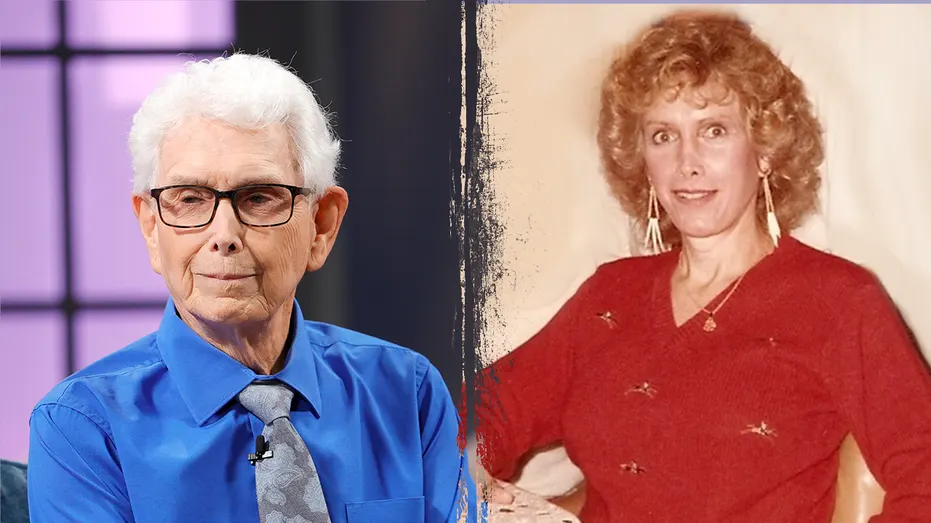
Walt Heyer, who lived as a woman for eight years before detransitioning, questions whether a reported fall in teenagers identifying as gay or bisexual reflects a real change. He argues that social media and peer pressure may affect what young people feel comfortable disclosing, making the figures harder to interpret.
The article cites data showing that the share of ninth-grade girls identifying as lesbian or bisexual fell from 30% in 2021 to 17% in 2025; the bisexual share fell from 26% to 13%. It says identification among boys has remained broadly steady over the past decade, while girls’ rates rose after the COVID-19 pandemic before declining. Heyer also says adults should be careful about affirming claims about gender identity.
- Heyer questions whether fewer teens identify as gay or bisexual.
- Ninth-grade girls’ reported rate fell from 30% to 17%.
- He says social pressures may affect what teenagers disclose.
New here? Start with this
Sexual orientation describes who someone may be attracted to, while identity surveys ask how people describe themselves. Answers can be affected by how a question is worded and whether young people feel comfortable sharing personal information.
Walt Heyer says social media and peer pressure may influence what teenagers disclose, so changes in survey figures may not reflect changes in attraction. His comments come amid debate about how adults should respond when young people talk about sexuality or gender identity.
The figures cited concern ninth-grade pupils in the United States, and show a fall in the share of girls identifying as lesbian or bisexual between 2021 and 2025. Understanding what that change means matters for interpreting trends and for decisions about how schools, families and researchers support young people.
Both sides, in good faith
The strongest fair case each way — we don't pick a winner.
The case for
The reported decline may not mean fewer teenagers experience same-sex attraction; survey answers can be shaped by how safe or acceptable young people feel it is to disclose an identity. Social media, peer dynamics and changing ideas about labels could affect responses, so adults should be cautious about treating the figures as a clear measure of underlying sexuality.
The case against
The figures may reflect a genuine change in how teenagers understand or describe their sexuality, rather than reluctance to disclose it. Without evidence that social pressure or discomfort is driving the decline, attributing it to those factors risks discounting young people’s own answers; the data should be interpreted carefully without assuming either concealment or a particular explanation.