Health news and discussion on TalkFuse.
Sunny Islam to enter open prison despite continuing risk to public
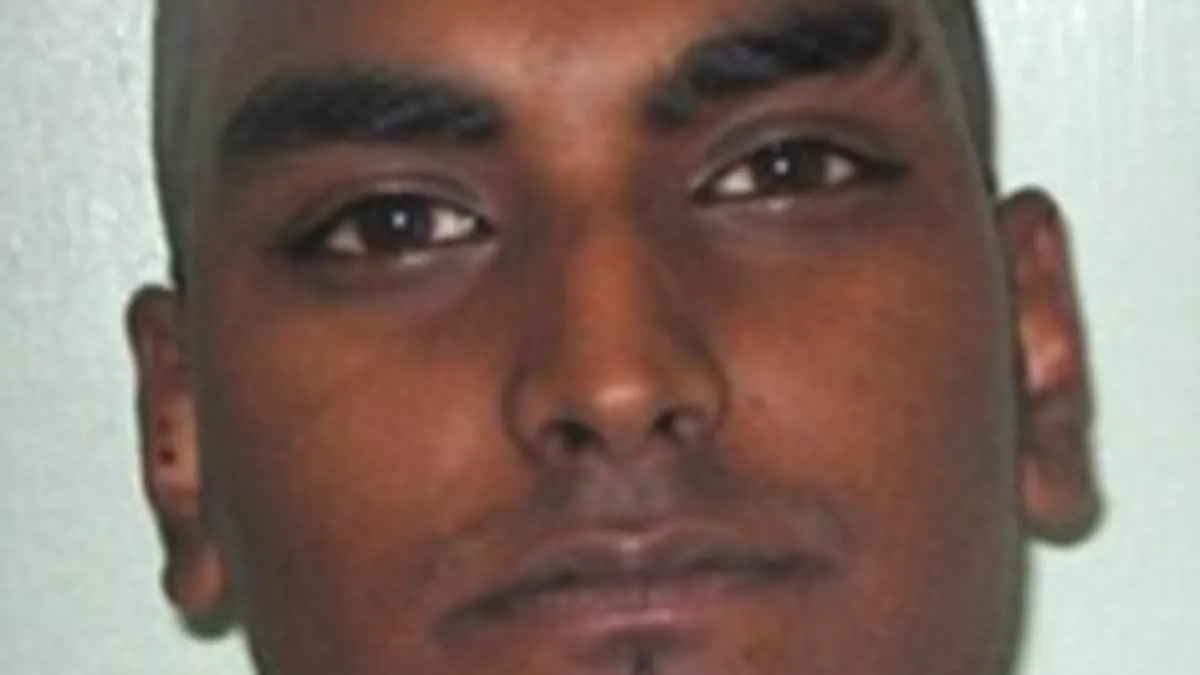
Sunny Islam is set to be transferred to an open prison after the Parole Board judged that he could not safely be released into the community. The recommendation brings him a step closer to possible release, but the final decision on the transfer rests with the Secretary of State.
Islam was given an indefinite sentence with a minimum term of 11 years for attacks on three women and a 15-year-old girl in London in 2010; the minimum term expired in 2021. The board cited his offending history and risk factors, while also noting that he had completed courses addressing sexual offending and victim empathy. A victim’s request for a public parole hearing was refused on the grounds that it could cause Islam anxiety.
In short
- Parole Board recommends Islam move to an open prison.
- It said release into the community would not be safe.
- The Secretary of State must decide whether to approve the transfer.
Steelman: both sides, in good faith
The strongest fair case each way — we don't pick a winner.
The case for
The transfer represents a measured risk management approach based on professional assessment. The Parole Board has evaluated Islam's completion of rehabilitative courses and engagement with victim empathy work, suggesting genuine effort towards change, whilst an open prison setting allows continued monitoring before any potential release. Indefinite sentences require a pathway forward, and rehabilitation should remain a goal even for serious offenders; the incremental ladder approach protects public safety whilst respecting principles of penological reform.
The case against
The decision to move Islam to an open prison whilst the Parole Board itself judges him unsafe for release presents a troubling paradox that subordinates public safety to bureaucratic procedure. The refusal to hold a public parole hearing to avoid causing him anxiety, whilst rejecting a victim's request for transparency, represents a concerning inversion of priorities between offender and victims. Given the severity of his crimes against three women and a 15-year-old child, proceeding with incremental release steps despite stated continuing risk demonstrates insufficient weight afforded to victim protection and community safety.
Explained simply
Sunny Islam is serving an indefinite prison sentence for sexual attacks on three women and a 15-year-old girl in London in 2010. His minimum term of 11 years expired in 2021, making him eligible for the parole process to assess whether he can eventually be released. An indefinite sentence has no set release date; instead, the prisoner is periodically reassessed to determine whether release is safe.
The parole process for such prisoners typically involves progression through prison conditions as they demonstrate rehabilitation. Open prisons offer greater freedom within the prison system as a potential step toward release. The Parole Board considers evidence of rehabilitation alongside risk factors, then advises the Secretary of State on whether release or transfer to open prison conditions is safe.
Prisoners serving indefinite sentences for sexual offences represent cases where the criminal justice system must balance protecting the public with recognising prisoner rehabilitation and the interests of victims. Individual cases affect public confidence in how authorities manage these situations. How they are handled reflects broader questions about punishment, rehabilitation, and public safety in response to serious crimes.
Read the full article at the source →
Originally published by Daily Mail as “Man who raped women and girls to ‘teach them a lesson for being out late at night’ wins move to open prison – after remand hearing held in private in case he suffered ‘anxiety’”.