Manchester City Financial Scandal Expands: Etihad Threatens Legal Action, Whistleblower Loses Protection
Developing story first seen 2 hours ago
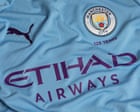
Rui Pinto, the whistleblower whose leaked documents triggered an investigation into Manchester City's finances, has had his protected witness status revoked by Portuguese authorities as of Wednesday. Manchester City was found guilty of 114 financial charges spanning nine seasons, accused of disguising over £900 million through sham contracts—a historic decision for English football that has nonetheless left Pinto increasingly vulnerable. The scandal has extended further, with club sponsor Etihad Airways now threatening legal action against the Premier League over reputational damage from the published findings.
Pinto, aged 37 and founder of Football Leaks, has been a protected witness since 2020 after providing Portuguese authorities with millions of confidential documents previously gathered by him. Despite an assault on him in Lisbon in April, Portuguese police have deemed the risk to his safety as low and have advised him to exercise caution with family contacts and avoid social media. Manchester City faces a Friday deadline to appeal the Premier League's decision, though the club previously succeeded in overturning its Champions League ban through the court of arbitration for sport.
- Whistleblower Rui Pinto loses protected witness status after exposing Manchester City scandal
- Manchester City found guilty of 114 charges for disguising £900m in funding
- Etihad Airways threatens legal action against Premier League over reputational harm
New here? Start with this
Manchester City, one of England's most successful football clubs, has been under investigation by the Premier League for allegedly breaking financial rules over an extended period. The Premier League has now published its formal findings from this inquiry, which examined whether the club properly reported its spending and adhered to regulations designed to maintain competitive balance across professional football.
The investigation's publication has created consequences that extend beyond the club itself. Etihad Airways, Manchester City's main sponsor, has announced plans to take legal action against the Premier League, contending that the published findings have harmed the airline's reputation despite it not being formally named in the decision. The case has also seriously affected Rui Pinto, a whistleblower who supplied millions of confidential documents that became crucial evidence for the investigation; Portugal has recently terminated his protected-witness status, leaving him vulnerable despite his essential role in supporting the regulatory process.
Both sides, in good faith
The strongest fair case each way — we don't pick a winner.
The case for
The Premier League must publish its investigation findings to maintain competitive integrity and enforce its own regulations, allowing supporters and other clubs to understand whether rules are meaningfully enforced. Whistleblower protections serve the essential public interest in uncovering potential misconduct, and attempts to suppress legitimate findings through legal threats represent efforts to shield wrongdoing from scrutiny. Etihad's reputational concerns, whilst understandable, are an inevitable consequence of commercial association with an entity under investigation for serious breaches.
The case against
The publication of investigation findings creates disproportionate collateral damage to third parties who have committed no violations themselves, raising legitimate concerns about procedural fairness and proportionality. Etihad has genuine interests in protecting its reputation from association with allegations it neither committed nor controlled, and denying neutral parties recourse to challenge such reputational harm sets a troubling precedent. An investigation substantially built on evidence from a source whose own protected status was subsequently terminated introduces additional questions about whether the reach of consequences has been properly calibrated against the scope of actual wrongdoing.
Full account
Manchester City have been found guilty of 114 breaches of financial regulations following an independent Premier League inquiry. The commission established that the club manipulated declared revenues by approximately £900 million through ostensible commercial arrangements that were in reality financed directly by the club's proprietors from Abu Dhabi. The disclosure of these findings prompted a response from Etihad Airways, the state-owned carrier of the United Arab Emirates that has functioned as Manchester City's primary commercial partner since 2009, including as holder of the stadium's naming rights since 2011. Although not explicitly named in the published portions of the commission's decision, Etihad characterised the implications of these findings as causing material damage to the airline's reputation and commercial standing.
Etihad objected strenuously to its treatment during the investigative proceedings, claiming that the Premier League had afforded the airline no meaningful opportunity to respond to the allegations or furnish its own perspective. The carrier asserted that it received no invitation to provide representation, submit corroborating materials, or verify the accuracy of information incorporated into the commission's reasoning. Company officials expressed particular alarm at what they termed the selective and opaque manner in which information had been disclosed and conclusions communicated to the public. Etihad's statement suggested that these procedural failings had inflicted reputational consequences upon the airline and hinted at potential legal action against the Premier League, contending that the league bore responsibility for how the findings had been presented.
The commission's decision stands in marked contrast to the defensive environment that characterised Manchester City's previous period of dominance. During that earlier phase, when questions emerged concerning whether senior figures including managers had received undisclosed payments through arrangements connected to the club's Abu Dhabi ownership, club representatives and their leadership responded to such inquiries with visible hostility and dismissal. The accumulated weight of subsequent investigation and formal findings has substantially altered this posture. Those now representing the club's management have adopted a noticeably different tone when confronted by press inquiry, appearing diminished in confidence and combativeness compared to the assured defiance that once protected them.
Rui Pinto, the Portuguese individual whose leak of confidential corporate documents set in motion the investigative sequence culminating in this ruling, has experienced a sudden withdrawal of legal protection. Pinto, who operates the Football Leaks disclosure platform, had held protected witness status from Portuguese authorities since 2020 following his supply of vast quantities of archived materials. That designation has now been rescinded, notwithstanding his earlier assault in Lisbon this year and the substantial fallout generated by the investigation he initiated. Portuguese law enforcement has judged the risk to Pinto's safety to be negligible, though they have advised him to restrict contact with family members and minimise social media engagement. Despite his earlier conviction on charges concerning unauthorised data access and attempted extortion, he remains credited by supporters of football governance reform as having performed an essential service in exposing systemic wrongdoing.
Where outlets differ
Source 1 emphasises Etihad Airways' grievances about procedural exclusion and legal vulnerability, treating the airline's perspective as central
Source 2 focuses on the moral arc and leadership accountability, drawing contrast between past defensive arrogance and present vulnerability
Source 3 concentrates on the whistleblower's paradoxical position: removal of protection despite documented safety incidents
Coverage
- The Guardian — Etihad weighs legal action over Premier League findings on Manchester City’s sponsorship deals
- The Guardian — Manchester City’s dominance was shadowed by scrutiny and financial allegations
- The Guardian — Manchester City whistleblower Rui Pinto no longer a protected witness in Portugal