Science news and discussion on TalkFuse.
Tiny image sparks big backlash in Nikon photo contest
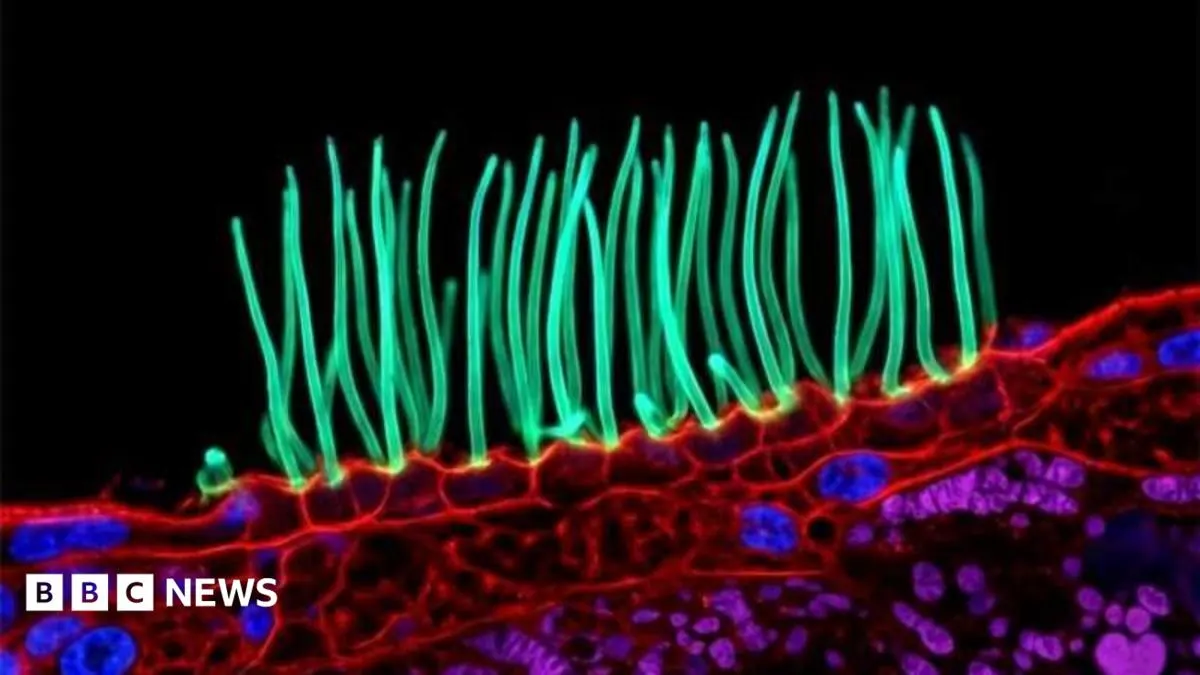
Nikon is reviewing the winning video in its Small World In Motion microscopy contest after scientists questioned whether it was generated or altered using AI. The dispute matters because the competition requires entries to be microscope footage and prohibits generative AI from creating content, raising concerns about fairness and the reliability of scientific images.
The winning entry, submitted by Tsinghua University researcher Dr Ning Xu, purports to show cilia moving in the airways of a child with a rare disease. Xu says AI helped distinguish features in reconstructed greyscale images but did not generate the footage, cilia or their movement; critics point to apparent changes in structures, unusual cilia size and a possible AI watermark. Nikon says Xu is co-operating and that it currently sees no rule violation, while it continues its investigation; the winner receives $3,000 (£2,250).
In short
- Nikon is investigating its microscopy contest’s AI-disputed winning video.
- The researcher says AI enhanced features but did not create the footage.
- Nikon currently says it sees no rule violation.
Steelman: both sides, in good faith
The strongest fair case each way — we don't pick a winner.
The case for
The distinction between using AI as a processing tool versus AI generating biological structures is meaningful and legitimate. Dr Xu's use of AI to enhance feature distinction in reconstructed microscopy images represents a standard modern technical approach rather than fabrication. Given that Nikon's investigation has found no rule violation to date and the researcher is cooperating fully, there is insufficient evidence to undermine his entry based on suspicion alone.
The case against
The contest's explicit prohibition on generative AI exists to preserve scientific integrity and fair competition. The visual anomalies—structural changes, atypical cilia dimensions, and suspected AI watermarks—raise legitimate concerns that the distinction between AI-assisted enhancement and AI-generated content has become meaningless at this level of modification.
Explained simply
Nikon runs an annual microscopy contest called Small World In Motion, which celebrates impressive footage captured through microscopes. The competition has strict rules: entries must be genuine microscope recordings, and contestants cannot use artificial intelligence to create or significantly alter the images shown. The contest matters because microscope images are used in scientific research, so maintaining their authenticity protects the integrity of science.
A winning entry in this year's competition has sparked dispute. The submission, by Dr Ning Xu from Tsinghua University in China, shows tiny hair-like structures called cilia moving within a child's airways. Xu claims that AI helped him process reconstructed images but that the microscope footage itself was genuine, though some scientists have questioned whether AI was improperly used to create or alter the footage.
The dispute centres on whether the microscopy video is truly authentic. Critics point to unusual features that could suggest AI involvement, whilst Xu maintains the underlying microscope footage is real. The disagreement raises broader questions about how AI can be used in scientific imagery and whether contest organisers can reliably verify submissions.