Many Ukrainian soldiers outraged over removal of defence minister, troops tell BBC
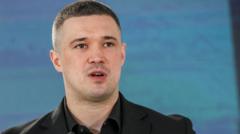
Ukrainian soldiers have expressed anger to the BBC over President Zelensky's decision not to reappoint defence minister Mykhailo Fedorov in a cabinet reshuffle, sparking street protests in Kyiv. Fedorov, previously Minister for Digital Transformation, was widely credited among troops with driving military innovation, particularly the expansion of drone warfare and technology-led reforms that helped Ukraine make gains against Russia's larger forces.
Soldiers who spoke to the BBC, some under pseudonyms due to army chiefs discouraging political comment, described the removal as a "slap in the face" to service members, with one wounded soldier saying his recovery would feel meaningless without Fedorov's reinstatement. Fedorov was noted for schemes such as "Army of Drones: Bonus", which rewarded frontline units for destroying Russian personnel and equipment, seen as speeding up procurement and innovation. Some soldiers pointed to friction with the old-guard military hierarchy, including commander-in-chief Gen Oleksandr Syrskyi, as a factor behind his exit, while others noted that frontline realities, such as recent rocket attacks, left little time to focus on political protests.
In short
- Zelensky's removal of defence minister Fedorov angers many soldiers
- Fedorov credited with driving drone and military tech innovation
- Protests erupted in Kyiv; some troops doubt they'll change anything
Steelman: both sides, in good faith
The strongest fair case each way — we don't pick a winner.
The case for
Fedorov's track record driving military innovation—particularly drone warfare and technology-led reforms—directly contributed to Ukrainian military gains against a numerically superior Russian force, with frontline soldiers recognising tangible operational benefits. In wartime, demonstrated military effectiveness and troop morale should take priority over internal organisational tension; removing a proven leader risks losing momentum in areas where innovation has proven crucial to Ukrainian success.
The case against
Effective wartime military operations require unified command and seamless integration between political and military leadership, and friction between a defence minister and the commander-in-chief fundamentally compromises operational cohesion. A defence ministry must function as an integrated whole rather than through parallel innovative initiatives; sometimes personnel changes, though costly, are necessary to restore the institutional alignment required for sustained strategic effectiveness. The government may reasonably prioritise long-term military organisation and command unity over the contributions of any individual official.
Explained simply
Mykhailo Fedorov previously served as Ukraine's Minister for Digital Transformation and became known for championing military innovation among troops. He focused on expanding the use of drones and introducing new technology to the armed forces in order to improve their effectiveness against Russia's much larger military.
Soldiers credited Fedorov with practical initiatives that made a difference on the battlefield, including schemes that rewarded frontline units for destroying Russian equipment. These approaches were seen as accelerating innovation and weapons procurement in ways that addressed Ukraine's numerical disadvantage against Russian forces.
Ukraine has been engaged in a major conflict with Russia since 2022, making military innovation a central part of the country's defence strategy. Fedorov's prominence in modernising the armed forces gave him particular standing among service members and in broader discussions about Ukraine's military priorities.
Europe Government Politics World