New releases, music videos and album news — indie, rap, rock and pop. Always covering Ren, Chris Webby, Sam Tompkins, bbno$, CHINCHILLA, Muse, Yungblud and more.
Maoists, A-bombs, and Ohio: How Cold War tensions fuelled Pere Ubu’s post-punk masterpiece
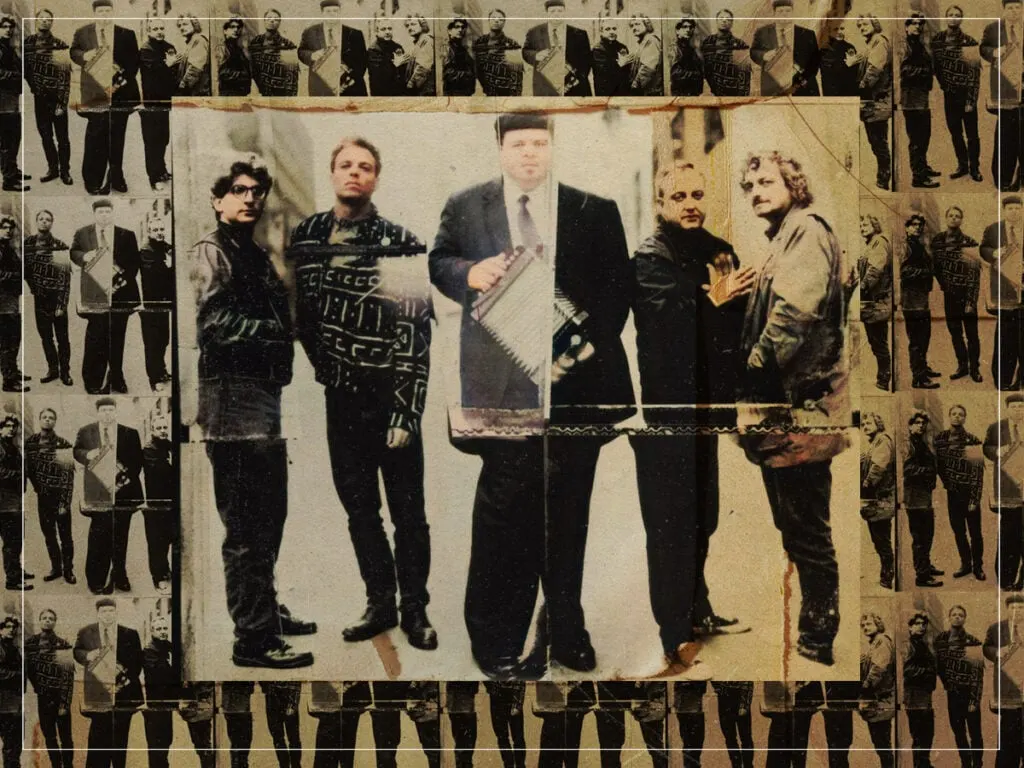
Pere Ubu’s song ‘Chinese Radiation’, from their 1978 debut album *The Modern Dance*, turned Cold War fears into an unconventional post-punk anthem. The article argues that the track captured the period’s nuclear anxiety and misinformation through the band’s experimental sound, drawing on Cleveland’s industrial setting and local lore.
The song’s starting point was a 1970s urban myth that Cleveland had the largest population of Maoists outside China, which David Thomas later described as likely untrue. China’s nuclear tests and wider Cold War tensions gave the idea a more serious context. Though the album sold modestly at first, critics praised it and it has since been reissued repeatedly.
In short
- Pere Ubu channelled Cold War anxiety into ‘Chinese Radiation’.
- A Cleveland Maoist urban myth helped inspire the song.
- The track appeared on the band’s 1978 debut album.
Explained simply
During the Cold War, the United States and China were rivals, and China’s nuclear tests added to public fears about the spread and possible use of atomic weapons. In 1970s Cleveland, a rumour claimed the city had more Maoists—supporters of Chinese leader Mao Zedong’s politics—than anywhere outside China; singer David Thomas later said the claim was probably false.
Pere Ubu were an experimental rock band from Cleveland, an industrial city in Ohio. Their 1978 debut album, The Modern Dance, included “Chinese Radiation”, a song that drew on the era’s fears and rumours through an unconventional sound. The album sold modestly at first, but critics praised it and it has been reissued over the years.