Mao’s Last Dancer Li Cunxin on his long-awaited follow-up: ‘I don’t think my publisher expected it to take 14 years!’
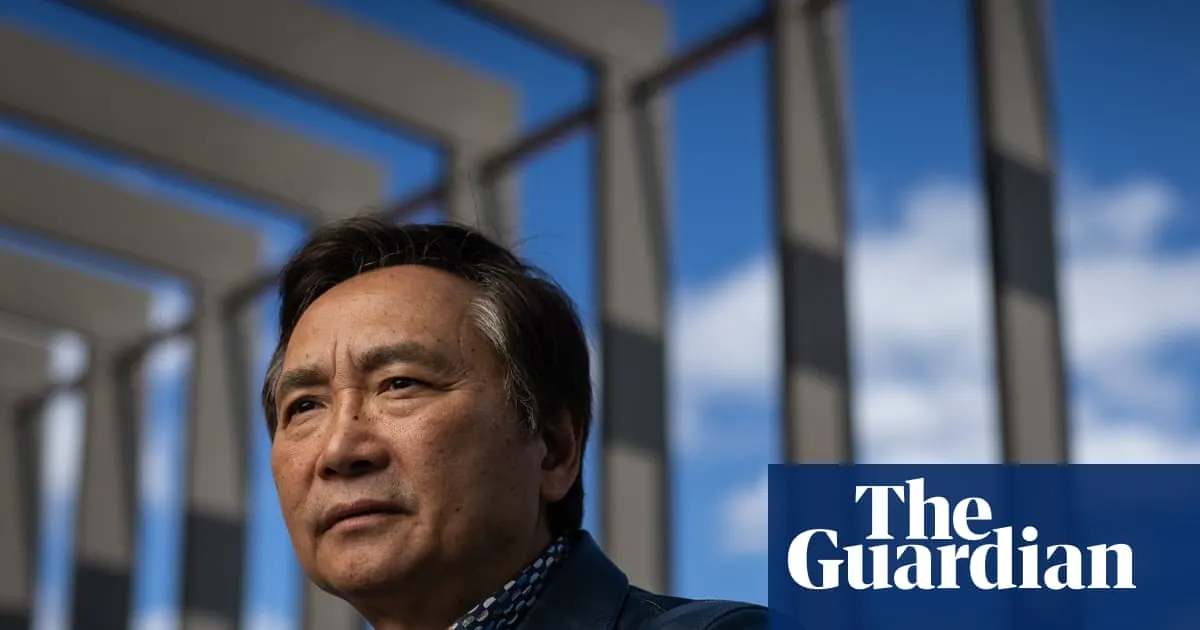
Chinese Australian ballet dancer Li Cunxin has published his second memoir, "The Lucky Son", fourteen years after his internationally acclaimed debut "Mao's Last Dancer" in 2003. Although he had signed a contract with Penguin Random House for a follow-up, the project stalled when he accepted the role of artistic director at Queensland Ballet, which demanded his complete dedication.
The new memoir continues from where the first ended, documenting Cunxin's life as he and his wife Mary relocated to Houston Ballet. The narrative explores significant personal challenges, particularly Mary's sacrifice of her own dance career when their daughter Sophie was born profoundly deaf. After Sophie received a cochlear implant, the family's perspective shifted in 2015 when Sophie expressed frustration that her parents wanted her to hear but had not learned sign language themselves. Cunxin's story spans his career progression through Australian Ballet, a period in stockbroking, and his eventual leadership of Queensland Ballet.
- Fourteen-year publishing delay ends with The Lucky Son memoir release.
- His wife Mary quit dancing to help their profoundly deaf daughter Sophie speak.
- Sophie later challenged parents for not learning sign language themselves.
New here? Start with this
Li Cunxin is a Chinese Australian ballet dancer whose 2003 memoir "Mao's Last Dancer" became an international bestseller by documenting his childhood under communist rule in China and his eventual defection to the West. The book made him a widely recognised public figure.
His second memoir continues his life story from where the first ended, covering his career as a professional dancer and his personal life, including his marriage and family. A significant part of the narrative explores his experience raising his daughter Sophie, who was born deaf, and the complex family dynamics that emerged after Sophie received a cochlear implant.
The memoir also traces his later career transitions, including work outside ballet and his leadership of Queensland Ballet. The narrative covers themes of family sacrifice, identity, and personal growth that emerged in his life after the events of his first memoir.