Marching in the Dark review – rural Indian widows show stunning resilience as they battle poverty and taboos
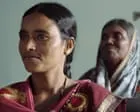
Kinshuk Surjan's documentary Marching in the Dark examines the plight of widowed women in rural Maharashtra, India's state with the highest rate of farmer suicides, where more than 400,000 farmers have taken their own lives over the past two decades amid crippling debt and poor crop prices. The film focuses on how bereavement compounds these women's hardship, as they navigate a patriarchal society that renders them socially marginalised even as they struggle to provide for their families.
Central to the film is Sanjivani, a woman in her 30s who has managed farm work, odd jobs and domestic labour for eight years since her husband's death, while raising two children. The documentary also follows the support network of fellow widows who meet for counselling, sharing experiences of child marriage, remarriage taboos and social restrictions, such as being barred from celebrations for fear of bringing bad luck. Sanjivani's pursuit of education and employment at a local pharmacy offers a note of hope. Marching in the Dark is available on True Story from 28 August.
- Documentary follows widows of farmer suicide victims in rural Maharashtra, India
- Over 400,000 Indian farmers have died by suicide in 20 years
- Widows find strength through mutual support despite poverty and social taboos
New here? Start with this
Marching in the Dark is a documentary by director Kinshuk Surjan, filmed in rural Maharashtra, an Indian state badly affected by farmer suicides linked to debt and poor harvests. It looks at what happens to the wives left behind, who often face poverty, heavy workloads and social stigma on top of their grief.
The film centres on Sanjivani, a widow raising two children while doing farm and domestic work, and a wider group of women who support one another through shared experiences such as child marriage, pressure around remarriage, and exclusion from community events due to superstition. Their situation reflects broader, long-standing social attitudes towards widows in rural India.
The documentary matters because it puts a human face on a humanitarian crisis usually discussed in terms of statistics, showing how the fallout from farmer suicides extends beyond the men who die to the women and families who must then survive. It is being released on the streaming platform True Story from 28 August.