Maresca maintains almost total control as he follows Manchester City owners’ line
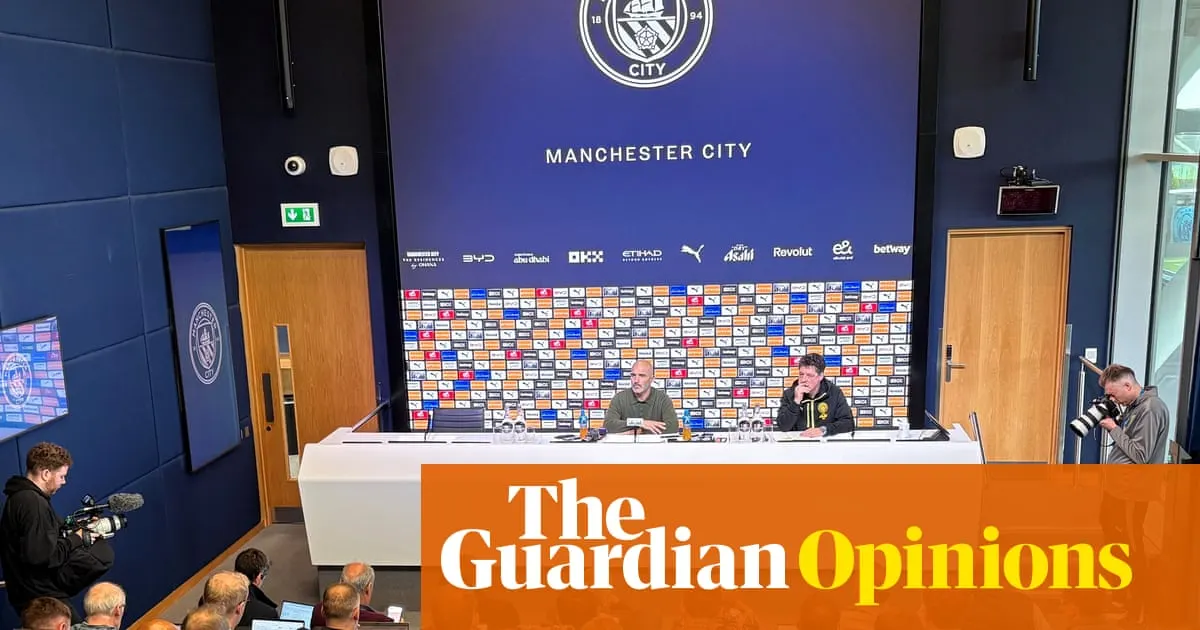
Manchester City manager Enzo Maresca publicly backed the club after an independent commission found it guilty on most of more than 100 alleged breaches of Premier League financial rules. His carefully controlled answers kept him aligned with the club’s leadership, though an initial qualification that he trusted them “in this moment” briefly suggested his confidence might not be unconditional.
The media conference drew 45 attendees, about three times the usual number, as City sought to keep attention on Sunday’s match at Liverpool. Maresca later said he trusted the owner, chief executive, sporting director and wider organisation “100%”; he also said Erling Haaland had recovered after time off and was ready to play. City have won all five league matches so far and are top of the table.
- Maresca backed Manchester City’s leadership after the commission’s findings.
- His first answer briefly qualified his trust in the club.
- City head to Liverpool top after five straight league wins.
New here? Start with this
Manchester City has been investigated by the Premier League for breaches of spending regulations between 2009 and 2018. An independent commission examined over 100 alleged breaches of financial rules that are designed to maintain fair competition across the league.
These financial regulations limit the amount of money clubs can spend, preventing those with the richest owners from gaining unfair advantages. Clubs found to have broken these rules face penalties including fines or deductions of league points, which can damage their standing in the table.
Enzo Maresca is Manchester City's manager, responsible for the team's tactics and player selection. Whilst the investigation concerns financial matters beyond his control, its outcome could affect the entire club including playing staff and available resources.
Both sides, in good faith
The strongest fair case each way — we don't pick a winner.
The case for
Maresca appropriately demonstrated his support for the club's leadership during a challenging period. A manager's role includes maintaining professional unity and public confidence in the organization, particularly when serious matters are being addressed through proper independent processes. Rather than publicly casting doubt on leadership, his affirmation of confidence is professionally sound—it maintains team morale, demonstrates loyalty, and appropriately defers to established accountability procedures. City's continued unbeaten record reflects the importance of such unified messaging.
The case against
The apparent scripting of Maresca's response raises concerns about genuine organizational integrity. His initial qualifier—trusting the leadership 'in this moment'—followed by an absolute '100%' suggests external pressure to conform to a required narrative rather than authentic conviction. The unusually large media presence and carefully controlled messaging, at a time when serious governance questions have emerged, invite legitimate questions about whether key figures have genuine space for independent thought or whether conformity is simply enforced. Authentic responses to serious allegations require some measure of genuine reflection rather than orchestrated loyalty.