World news and discussion on TalkFuse.
Marlborough tearoom closes after 114 years amid rising business costs
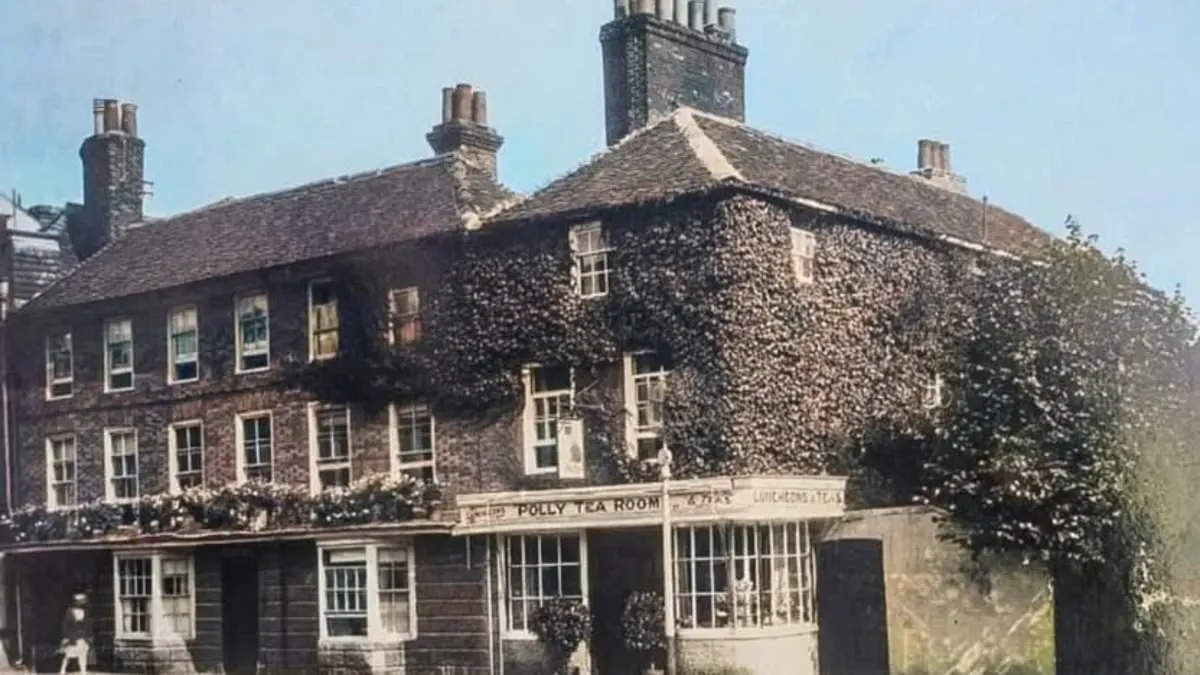
The Polly Tearooms in Marlborough, Wiltshire, has closed after 114 years on the High Street. Owner David Clarke says rising taxes and operating costs made the business unviable, highlighting the pressures facing independent hospitality businesses and the local jobs they provide.
Clarke and his late wife bought the tearoom in 2013 and invested about £60,000 in it; it had employed 20 people. He cites the end of business-rates relief, higher National Insurance and energy bills, and rising minimum wages. The article also notes that business rates rose from £974 a year to £2,400 a month, while the minimum wage is due to increase from £12.71 to £13.21 an hour next April.
In short
- Marlborough’s Polly Tearooms has closed after 114 years.
- The owner says higher costs made it impossible to continue.
- The closure affects 20 staff and a local High Street landmark.
Steelman: both sides, in good faith
The strongest fair case each way — we don't pick a winner.
The case for
The closure illustrates how rising business rates, National Insurance, wages and energy bills can make it increasingly difficult for independent hospitality businesses to remain viable, even after substantial investment. Supporters of relief from these costs argue that small firms provide local jobs and valued community spaces, and that policy should avoid placing disproportionate pressure on them.
The case against
Higher rates, National Insurance and minimum wages can fund public services and improve workers’ incomes and protections; businesses also need to adapt to changing costs and demand. Those wary of further relief may argue that exemptions shift the burden to other taxpayers or employers, and that policy should support small firms without weakening public finances or workers’ pay.
Explained simply
Marlborough is a market town in Wiltshire, and the Polly Tearooms had traded on its High Street for more than a century. David Clarke and his late wife bought the independent business in 2013 and invested in it; it employed 20 people.
Small cafés and tearooms have to cover costs such as rent, energy, wages and business rates, a tax on many commercial premises. Changes to these costs can affect whether a business remains financially viable, as well as the jobs and services it provides locally.
Read the full article at the source →
Originally published by Daily Mail as “MARK PALMER: How 114-year-old Marlborough tea rooms loved by Kate and Robbie Williams were killed off by Labour’s war on the high street”.