Mark Ruffalo fires back at Paramount over ‘appalling’ antisemitism accusation tied to Ellison merger criticism
Developed over time first seen 2 months ago
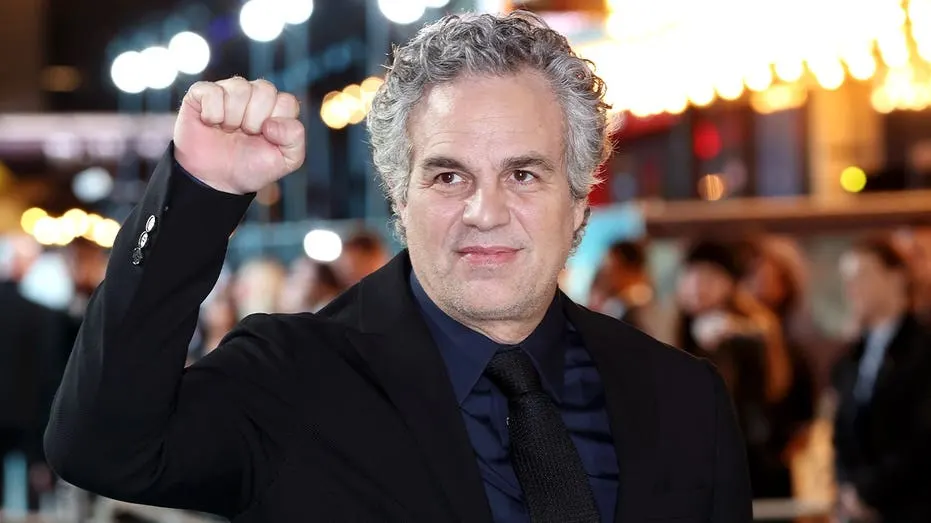
Actor Mark Ruffalo publicly rejected Paramount's claim that his criticism of the Ellison family's proposed Warner Bros. Discovery merger amounted to antisemitism, calling the accusation "appalling and fundamentally dishonest." The dispute arose after Ruffalo reposted footage of Paramount board member Safra Catz discussing Oracle's military technology used by Israel following the 7 October 2023 Hamas attacks, and linked this to Larry Ellison funding his son David's bid for Warner Bros. Discovery; Paramount responded by accusing him of invoking "antisemitic tropes" and said terms such as "genocide" and "apartheid" applied to a corporate deal were "a bridge too far."
In his statement, Ruffalo insisted that criticising the Israeli government, military contracts or the executives supplying them was not equivalent to criticising Jewish people, and stressed his views reflected his own politics rather than hostility towards Jews, for whom he expressed "deep love and respect." He went on to defend scrutiny of the Ellison family and Oracle's data and surveillance business, warning of threats to editorial freedom and job losses under the $111 billion (£87 billion) deal, which would give the Ellisons control of CNN, HBO and Warner Bros. The merger is being challenged by a coalition of 12 state attorneys general, with the companies agreeing not to close the deal before 1 June 2027 or a court ruling on the states' claims, whichever comes first.
- Ruffalo denies Paramount's "antisemitic tropes" accusation over merger criticism
- Row began after he linked Oracle's Israeli military tech to Ellison's Warner Bros bid
- $111bn merger faces legal challenge from 12 state attorneys general
New here? Start with this
Mark Ruffalo has been publicly criticising the proposed merger between Paramount and Warner Bros. Discovery, a deal worth around $111 billion that would give the Ellison family, led by Oracle founder Larry Ellison and his son David, control of major media brands including CNN, HBO and Warner Bros. Ruffalo linked his criticism to Oracle's technology work supporting the Israeli military after the Hamas attack on 7 October 2023, using strong language such as "genocide" and "apartheid" to describe the situation. Paramount responded by accusing him of invoking "antisemitic tropes," which Ruffalo strongly denies.
The dispute sits within a wider, ongoing legal and political battle over the merger. Twelve state attorneys general are currently challenging the deal, and the companies involved are barred from completing it before 1 June 2027 unless a court rules on the matter first. Key figures include Ruffalo, an actor known for his activism; Larry Ellison, the Oracle billionaire financing the bid; David Ellison, who leads the Warner Bros side of the deal; and Paramount, which sits on the other side of the row over Ruffalo's remarks.
This matters because it touches on questions of media ownership concentration, the use of technology by governments during conflict, and where the line falls between criticising a business deal or a foreign government's policies and making comments that others may interpret as antisemitic. The row has become a public flashpoint illustrating how commentary on the Israel-Gaza conflict can intersect with corporate and political disputes far beyond it.
Both sides, in good faith
The strongest fair case each way — we don't pick a winner.
The case for
Ruffalo's defenders argue that criticising a military technology contract, a foreign government's conduct or the business practices of executives is core political speech, not an attack on Jewish people, and that conflating the two risks shutting down legitimate scrutiny of a deal that would concentrate enormous media power in one family's hands. They point out that twelve state attorneys general are formally challenging the merger on competition grounds, lending weight to the view that concerns about consolidation, data use and military-linked technology are substantive rather than pretextual, and that terms such as "genocide" and "apartheid", however contentious, are used by human rights bodies and legal scholars in relation to government policy, not as coded references to Jewish identity.
The case against
Paramount's position rests on the view that language matters, and that applying charged terms like "genocide" and "apartheid" to a commercial merger, while singling out a prominent Jewish family's business dealings and their ties to Israel, risks echoing long-standing tropes about Jewish control of media and finance, even if that is not the speaker's intent. On this view, public figures with large platforms bear particular responsibility for precision when a business dispute intersects with a family's religion and a foreign government's military conduct, and a company is entitled to say publicly that it believes a line has been crossed, without that objection itself being read as an attempt to silence all criticism of the deal.
More coverage
- Deadline — Simon Wiesenthal Center CEO Calls Out Mark Ruffalo For “Antisemitism” & “Demonization”
- Far Out — Mark Ruffalo denies Paramount’s antisemitism claims: “Appalling and fundamentally dishonest”