Technology news and discussion on TalkFuse.
Mark Zuckerberg Says He’s Surprised the ‘Discourse’ From AI Companies ‘Is So Filled With Doom’
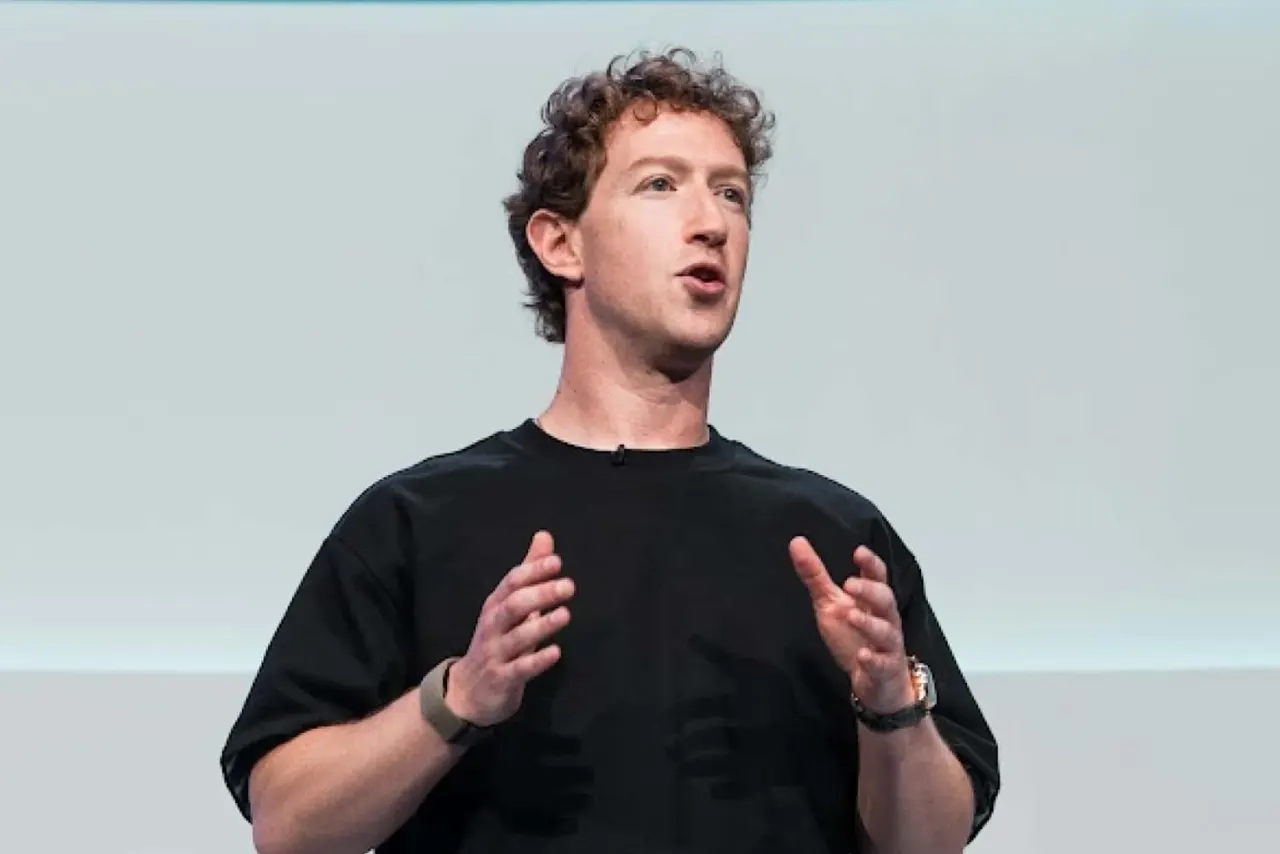
Meta CEO Mark Zuckerberg has published a 6,500-word manifesto titled "The Future is for Everyone," setting out his philosophy on artificial intelligence and questioning why discourse from other AI companies has been "so filled with doom." He argues that AI's benefits should empower individuals rather than be concentrated among a small number of companies, that the US should not restrict access to open-source models, and that governments should reduce, rather than tighten, restrictions that could slow technological progress.
The essay accompanied Meta's release of an open-source version of its most advanced AI model, "Muse Glimmer," following the earlier release of "Muse Spark." Zuckerberg's comments come weeks after Anthropic chief executive Dario Amodei explained why his company declined to join Meta, OpenAI and others in signing a letter opposing restrictions on foreign open-source AI models, citing concerns that authoritarian governments could exploit them. Zuckerberg also defended "distillation," a technique used to train models from other systems, calling it a fundamental part of the open-source AI ecosystem, while separately Senator Bernie Sanders this week urged AI firms to pause development voluntarily or face congressional intervention.
In short
- Zuckerberg publishes AI manifesto rejecting "doom"-focused industry discourse
- Meta pushes for open-source AI and less government restriction
- Comes amid rift with Anthropic over AI safety and distillation
Steelman: both sides, in good faith
The strongest fair case each way — we don't pick a winner.
The case for
Open-source advocates argue that democratising AI through freely available models prevents dangerous concentration of power among a few corporations and enables broader access to transformative benefits in healthcare, education and scientific research. They contend that transparency and open development, as proven successful in software, drives innovation and security whilst excessive caution unnecessarily delays beneficial applications. Their concern is that restricting access based on speculative risks entrenches the dominance of already-powerful companies rather than protecting against genuine harms.
The case against
Safety proponents maintain that certain advanced AI capabilities pose real risks—not hypothetical doom, but genuine concerns about misuse by bad actors and authoritarian governments—requiring responsible deployment constraints before adequate safeguards mature. They argue that companies investing heavily in safety research provide essential gatekeeping against premature widespread access to potentially dangerous tools, and that the pace of commercial release must align with the pace of safety validation rather than being driven by openness ideology. They contend that some concentrations of power with strong safety practices are preferable to distributed access that cannot be adequately monitored or controlled.
Explained simply
Artificial intelligence companies build computer systems that can generate text, images and other material, and they differ over how quickly these systems should be released and how they should be controlled. Some firms make their models’ underlying code and design openly available, allowing others to use or adapt them; this can widen access but also makes it harder to limit who uses them.
Meta is led by Mark Zuckerberg, while Anthropic is led by Dario Amodei. Another point of debate is “distillation”, a way of training one AI system using outputs from another, which can help create capable models with fewer resources.
These disagreements matter because governments are weighing rules on AI development and access. Supporters of wider release say it can spread benefits beyond a few large firms, while critics raise concerns about misuse, including by authoritarian governments.
AI Art Business Companies Culture Technology