Technology news and discussion on TalkFuse.
Mark Zuckerberg’s rambling AI manifesto is 6,434 words of high-handed platitudes and dubious conclusions
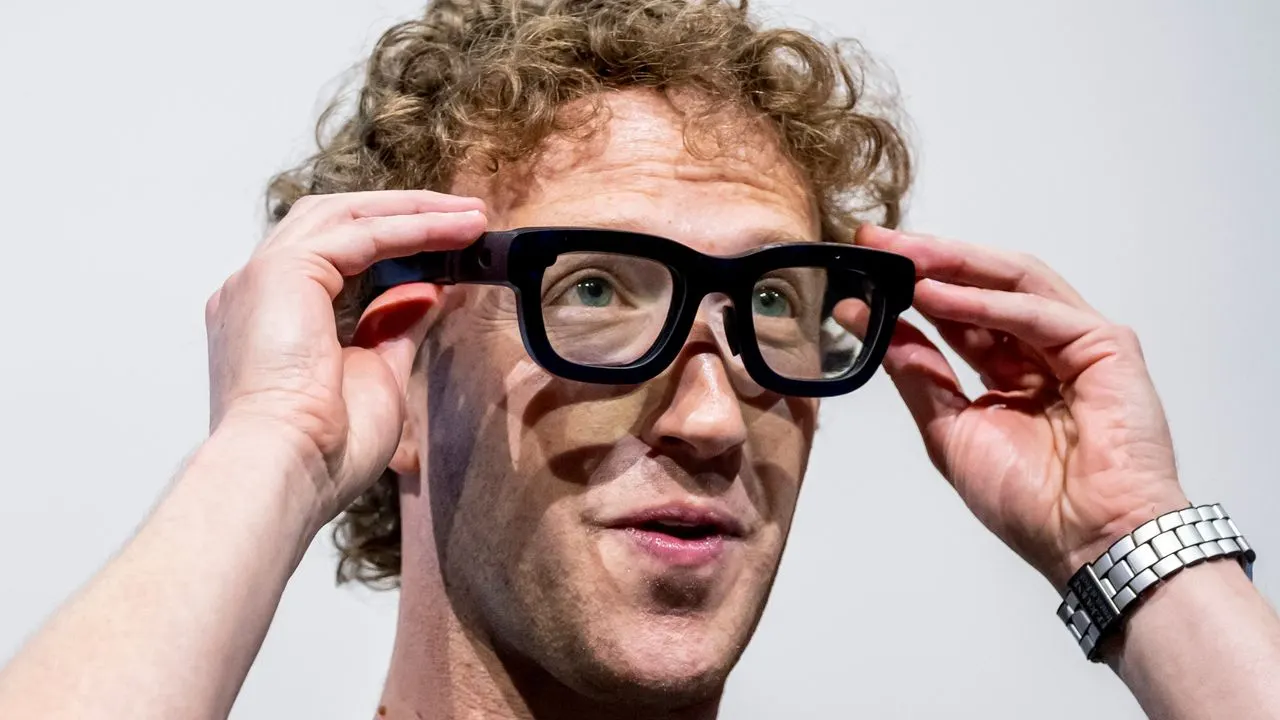
PC Gamer criticises Mark Zuckerberg’s 6,434-word “Personal Superintelligence” manifesto, arguing that it presents broad promises about AI while making questionable assumptions about Meta’s role. The article says the letter matters because Meta is investing heavily in AI and Zuckerberg’s vision could influence how the technology is developed and used.
Zuckerberg says superintelligence is “now in sight” and could empower individuals through personal AI systems that help them pursue goals and create things. He contrasts this with a future in which people receive universal basic income and have less meaningful work, while saying Meta will need to address safety risks and decide carefully what to open-source. PC Gamer questions Meta’s credibility on safety and user interests, noting its expected AI investment of $65 billion in 2025.
In short
- PC Gamer challenges Zuckerberg’s optimistic AI manifesto.
- Zuckerberg promotes personal superintelligence built by Meta.
- Meta expected to invest $65 billion in AI.
Steelman: both sides, in good faith
The strongest fair case each way — we don't pick a winner.
The case for
Zuckerberg articulates a serious vision for how superintelligence could be developed in ways that empower individuals rather than concentrate power, contrasting meaningful personal agency with dystopian alternatives like universal basic income. Meta's massive investment and explicit commitment to addressing safety risks whilst debating open-source models demonstrates the company is wrestling with crucial questions about AI governance that deserve consideration from a major technology firm, even if the manifesto covers broad ground.
The case against
PC Gamer's scepticism reflects legitimate concerns about Meta's credibility given its documented history of prioritising user engagement over privacy and safety, raising serious questions about whether the company can be trusted to develop superintelligence responsibly. The manifesto's vagueness on concrete safety measures, combined with Meta's $65 billion investment appetite, suggests Zuckerberg is offering reassuring platitudes rather than substantive commitments, leaving unclear how the company's commercial interests will be balanced against genuine safety considerations.
Explained simply
Meta is the technology company behind Facebook, Instagram and WhatsApp, and Mark Zuckerberg is its chief executive. “Superintelligence” refers to a possible future form of artificial intelligence that could outperform people across many tasks; it does not yet exist.
Zuckerberg’s vision centres on personal AI systems that could help people with work and creative projects. He has also raised questions about how widely powerful AI should be shared and how its risks should be managed. Meta’s large investment in AI means its choices could shape how these systems are built and made available.