World news and discussion on TalkFuse.
Markwayne Mullin Tells Congress He Found Out About Jensen Huang’s Alleged Chinese Spy Affair From Media Reports
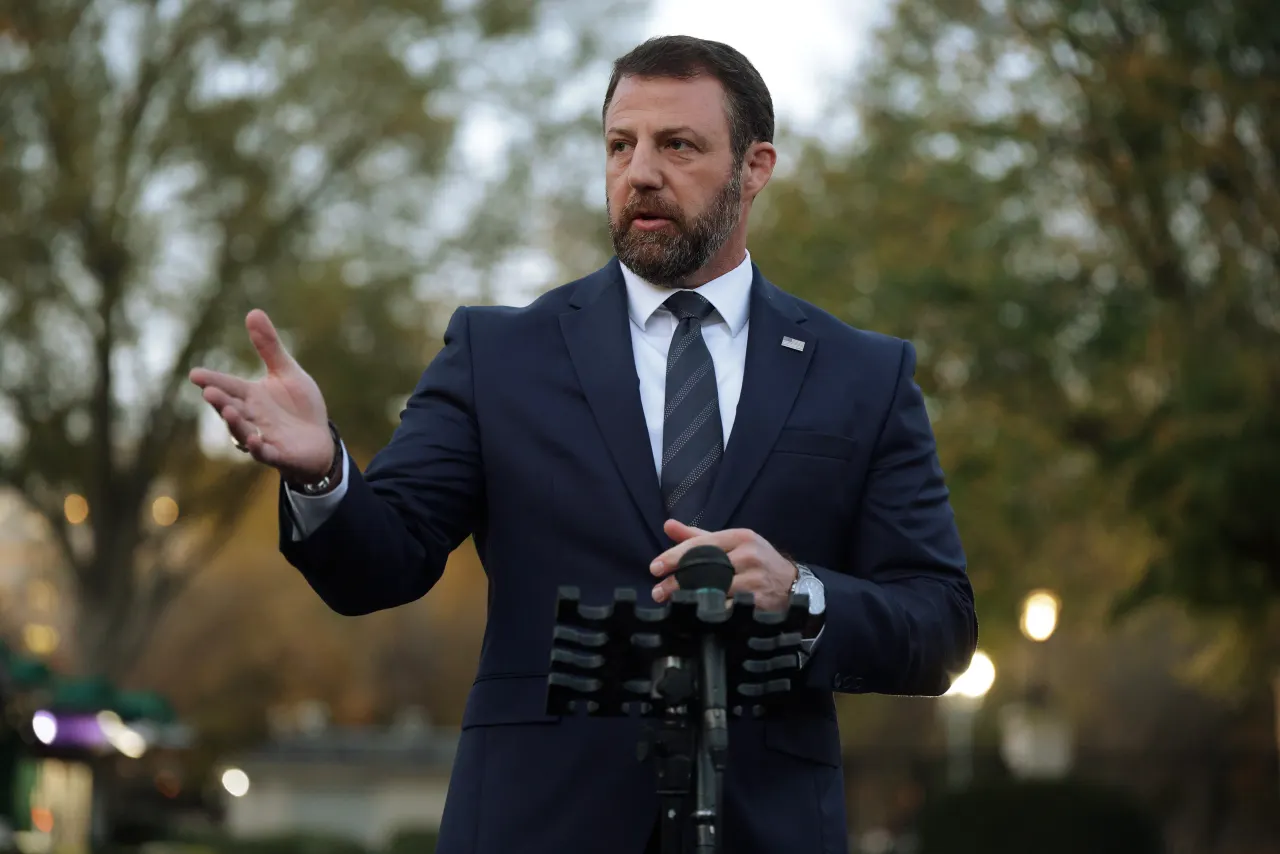
Homeland Security Secretary Markwayne Mullin told a congressional committee he had not been briefed on allegations that former Nvidia chief Jensen Huang had a relationship with Alice Huang, described in the article as an alleged Chinese asset. Mullin said other agencies had handled the matter because it concerned activity outside the United States; a Democratic lawmaker argued that China’s access to Nvidia’s advanced chips posed a direct threat to the country.
The article says Jensen Huang resigned on Thursday, while he and Nvidia general counsel Tim Teter are due to give closed-door interviews to three congressional committees on 1 and 2 December. US sales of Nvidia chips to China have been restricted over national security concerns, and the company formed a committee to oversee export-control compliance. Nvidia also cut off $2.4 billion in Chinese chip shipments on Wednesday; the article reports that Huang has supporters calling for his return, though the board said it did not plan to reinstate him.
In short
- Mullin said he learnt of the allegations through media reports.
- Lawmakers disagree over whether the chip issue threatened US security.
- Nvidia halted $2.4 billion in Chinese chip shipments.
Steelman: both sides, in good faith
The strongest fair case each way — we don't pick a winner.
The case for
A strong case for Mullin’s position is that an alleged relationship and activity outside the United States may fall primarily under other agencies’ remit, so he may not have received a briefing before the reports became public. Keeping sensitive intelligence within the agencies responsible for it can protect investigations and avoid unnecessary disclosure. Congress can still examine whether the division of responsibility and oversight worked properly.
The case against
A strong case for the lawmaker’s concern is that alleged links between a senior technology executive and a Chinese asset, alongside access to advanced chips, could have significant national-security implications for the United States. Those stakes make it reasonable to ask whether the department responsible for homeland security was adequately informed and whether agencies coordinated effectively. Congressional scrutiny can help establish what was known, who was responsible, and whether export controls were sufficient.
Explained simply
Nvidia is a US company that designs advanced computer chips used in artificial intelligence and other computing. Its products have become a focus of US policy towards China, where sales of some powerful chips are restricted over national security concerns.
Markwayne Mullin is the US homeland security secretary, and Jensen Huang is Nvidia’s former chief executive. The reported allegations concern Huang’s relationship with Alice Huang, whom the article describes as an alleged Chinese asset; Mullin said he had not been briefed because other agencies handled activity outside the United States.
The issue brings together questions about national security, oversight of chip exports and the roles of government agencies and Congress. It also matters to Nvidia, whose business and leadership decisions affect its operations in China and its compliance with US restrictions.
Asia Government Politics World