World news and discussion on TalkFuse.
Marlon Humphrey, back from suspension after saying Baltimore produces ‘criminals,’ still paying a price
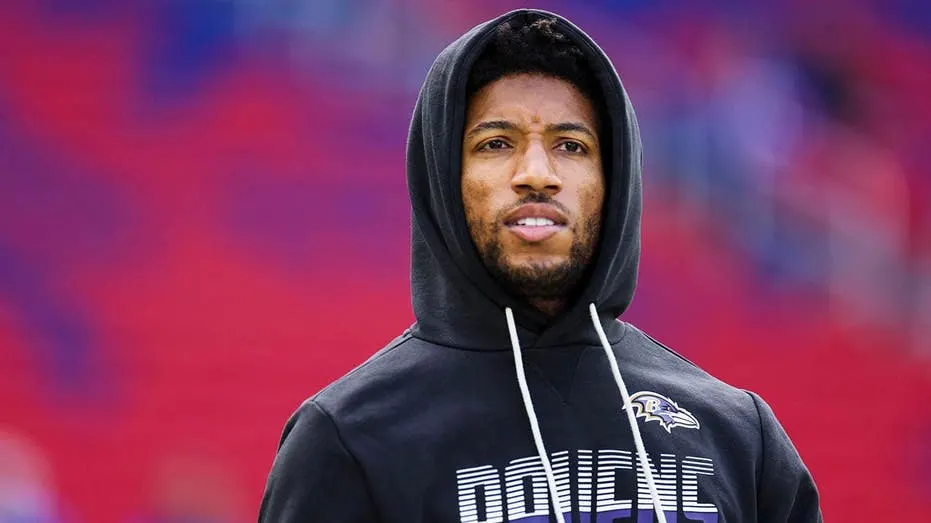
Ravens cornerback Marlon Humphrey returned from a one-game suspension after joking on his podcast that Baltimore was best at “making criminals”, but he was left out of the starting defensive line-up against Houston. The episode matters because it appears to have affected his role after 110 consecutive starts, though the article says it is unclear whether the decision was disciplinary or based on football considerations.
Humphrey apologised for the remark, which he had expected to be edited out, but the comments prompted criticism from Baltimore’s mayor, media and the Ravens. T.J. Tampa started in his place; Humphrey joined the kickoff team and later played on defence. Baltimore had lost six straight games entering the Houston match, and Humphrey is due to become a free agent in 2027.
In short
- Humphrey returned from suspension but did not start at cornerback.
- T.J. Tampa took his usual starting spot against Houston.
- It is unclear whether the change was about discipline or performance.
Steelman: both sides, in good faith
The strongest fair case each way — we don't pick a winner.
The case for
Professional athletes represent their club and their city, and a remark mocking a city's crime problem can damage community trust, even when it is made as a joke. Club leaders and civic figures have a legitimate interest in setting standards and responding to public criticism, and a sincere apology does not necessarily remove the need for a response. A coach or organisation may also reasonably decide on selection and roles in light of how a player's conduct affects the wider team and its relationships.
The case against
The remark was made in a casual podcast setting, and the player expected it to be edited out, so it may be better understood as informal banter than as a considered statement. Many residents of Baltimore already discuss the city's challenges openly, and critics argue that people should be free to speak candidly about their home without facing professional penalties for ordinary speech. Because the article notes that it is unclear whether the change in his role was disciplinary or football-related, some observers see a risk that a player with a long, reliable record is being punished for expression, which could discourage honest comment from athletes more broadly.