World news and discussion on TalkFuse.
Marshawn Lynch wants to know why NFL teams add White DBs and questions whether they can dance
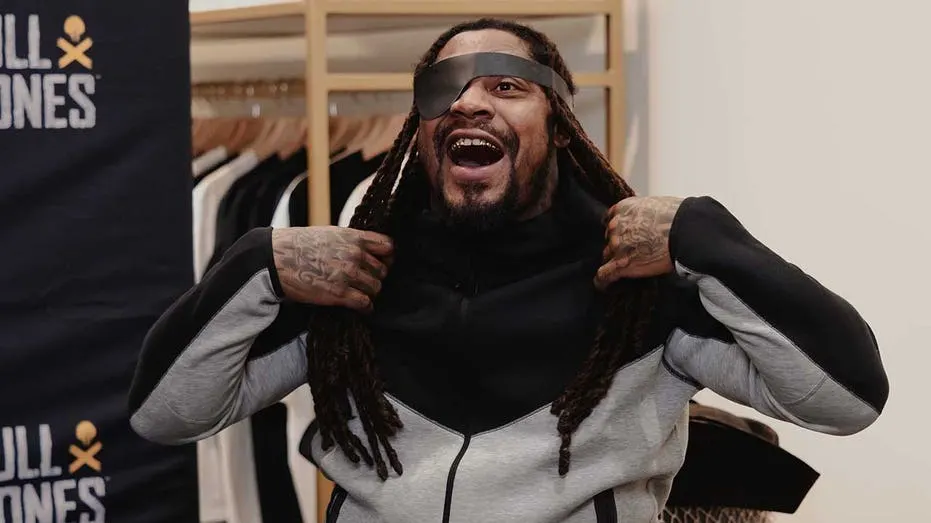
Marshawn Lynch, a Seattle Seahawks legend with informal access to the team's training facility, was filmed on HBO's "Hard Knocks" quizzing current players about why the roster now includes more White defensive backs, asking safety Julian Love and cornerback Ty Okada what the team planned to "do with them" and questioning whether White players could dance. The exchange, aired during Seahawks training camp coverage, has drawn commentary for its racial framing, with the Fox News/Outkick writer arguing it illustrates a double standard whereby such comments from a Black former player are treated as entertainment rather than controversy.
The Seahawks currently have two White defensive backs: Ty Okada, who started 11 games last season and is expected to retain his starting strong safety role, and Maxen Hook, who is competing for a roster spot in camp. Lynch pressed Okada directly on camera, asking "how many of y'all is it?" and later suggested White players are not "known for their dancing," seemingly referencing the agility required to play defensive back. The article's author uses the incident to argue it exemplifies "Black privilege," contrasting it with how a similar comment from a White player about Black quarterbacks would likely be received.
In short
- Marshawn Lynch questioned Seahawks players about White defensive backs on Hard Knocks
- He asked safety Ty Okada if White players could dance
- Seahawks have two White DBs: Ty Okada and Maxen Hook
Steelman: both sides, in good faith
The strongest fair case each way — we don't pick a winner.
The case for
Those defending Lynch's comments would emphasise that locker-room banter operates under different cultural norms than formal professional contexts, and that Lynch's status as a Seahawks legend created a particular dynamic where his remarks should be understood as lighthearted ribbing. The reference to dancing, they argue, addresses sport-specific footwork and agility relevant to defensive back play, not crude stereotypes. Most significantly, they contend the double-standard argument has genuine merit: similar race-based observations from a White player would almost certainly provoke far greater condemnation, suggesting that standards for acceptable commentary are applied inconsistently based on the speaker's identity.
The case against
Those troubled by Lynch's comments would argue that singling out White players for questioning based on racial characteristics inappropriately foregrounds race in a professional evaluation context. Whilst concerns about double standards are understandable, they contend that such inconsistency does not justify normalising race-based categorisation; instead, standards should be applied uniformly regardless of race. When broadcast to millions of viewers, such remarks risk signalling that it is acceptable to view some athletes primarily through a racial lens, undermining the principle that professional athletes should be evaluated primarily on merit and ability rather than racial identity.
Explained simply
Marshawn Lynch is a former Seattle Seahawks running back, widely known by his nickname “Beast Mode”. The Seahawks are an American football team, and defensive backs are players who cover opposing receivers and try to stop passes.
Ty Okada and Maxen Hook are White defensive backs on the Seahawks’ roster. Okada has been a regular starter, while Hook is competing for a place on the team. The racial make-up of positions in American football has been discussed for years, though players’ roles are shaped by many factors, including coaching and team needs.
The exchange has prompted discussion about how remarks involving race are interpreted in sport and media. It sits within wider debates about racial stereotypes and whether similar comments are judged differently depending on who makes them.
Americas Space Technology World